
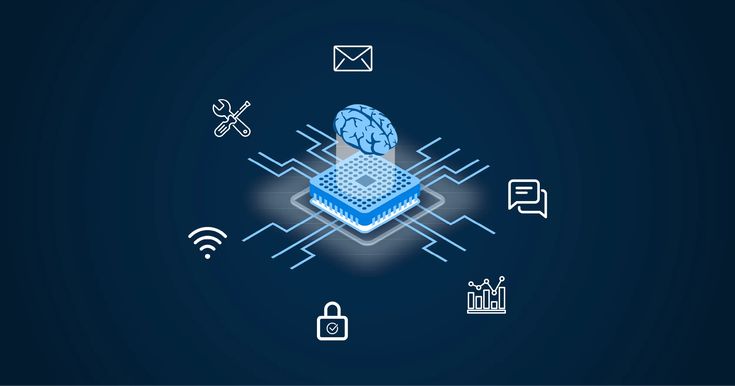
From smartphones and smartwatches to home appliances and automobiles, embedded systems are at the heart of almost every smart device we use today. These tiny yet powerful systems control specific functions, making our devices intelligent, efficient, and user-friendly. As technology continues to advance, embedded systems are becoming more sophisticated and more deeply integrated into our daily lives.
What Is an Embedded System?
An embedded system is a combination of hardware and software designed to perform a dedicated function within a larger device. Unlike general-purpose computers, embedded systems are optimized to carry out specific tasks with maximum efficiency and reliability.
Key Characteristics:
- Real-time operation
- Low power consumption
- Compact size
- High reliability
- Task-specific performance
Components of an Embedded System
1. Microcontroller / Microprocessor
Acts as the brain of the system, processing data and controlling operations.
2. Memory
Stores program instructions and data required for execution.
3. Input Devices
Sensors, buttons, or other components that collect information.
4. Output Devices
Displays, motors, buzzers, or other mechanisms that execute actions.
5. Embedded Software
Firmware or code that controls how the system behaves.
How Embedded Systems Work
Embedded systems perform a continuous cycle of:
- Sensing data from the environment
- Processing the data using embedded software
- Acting based on programmed instructions
- Repeating the process in real-time
This allows devices to react instantly and operate smoothly without user intervention.
Real-World Applications of Embedded Systems
1. Consumer Electronics
- Smartphones
- Smart TVs
- Gaming consoles
- Wearables
2. Automotive Industry
- Airbag systems
- Anti-lock braking (ABS)
- Engine control units (ECU)
- Navigation systems
3. Healthcare Devices
- Pacemakers
- Blood pressure monitors
- MRI machines
4. Industrial Automation
- Robotics
- Machine controllers
- Smart sensors
5. Home Automation
- Smart thermostats
- Security systems
- Smart lighting
Embedded systems are everywhere, driving innovation in every sector.
Why Embedded Systems Matter
Efficiency and Performance
They enable devices to perform tasks quickly and accurately.
Cost-Effective
Optimized hardware reduces manufacturing cost.
Energy Efficient
Designed for low power consumption, essential for battery-powered devices.
Compact and Portable
Small size makes them ideal for mobile and wearable technology.
Real-Time Reliability
Critical in industries like healthcare and automotive where timing is crucial.
Future Trends in Embedded Systems
The future of embedded technology is exciting, with innovations such as:
- AI-powered embedded systems
- Edge computing
- IoT-integrated systems
- Enhanced cybersecurity for devices
- 5G-enabled embedded applications
As these trends grow, embedded systems will become even more powerful and vital in shaping the digital world.
Conclusion
Embedded systems are the invisible engines powering the smart devices we rely on today. Their ability to combine hardware and software into highly efficient, reliable, and task-specific units makes them fundamental to modern technology. As innovation accelerates, the role of embedded systems will only continue to expand—driving advancements across industries and improving everyday life.


