
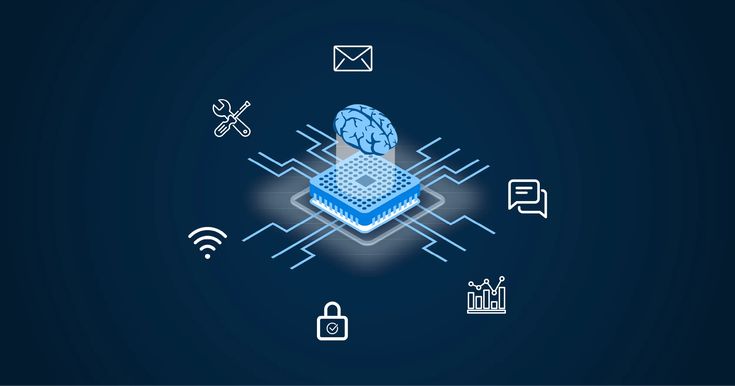
Embedded systems are an essential part of the technology we use every day. From smartphones and smartwatches to automobiles, medical equipment, industrial machines, and home appliances, embedded systems quietly control and manage countless electronic devices.
Unlike traditional computers designed for many different tasks, an embedded system is usually built to perform a specific function within a larger product or machine. With the growth of the Internet of Things (IoT), robotics, electric vehicles, automation, and smart devices, embedded systems have become increasingly important.
For students and professionals interested in electronics, programming, robotics, or hardware development, embedded systems offer exciting opportunities for learning and career growth.
What Is an Embedded System?
An embedded system is a combination of hardware and software designed to perform a specific function or set of functions within a larger device or system.
For example, the control system inside a washing machine can monitor water levels, control the motor, manage washing cycles, and respond to user commands. Similarly, an automobile contains numerous embedded systems responsible for functions such as engine management, braking, safety, entertainment, and driver assistance.
An embedded system generally includes:
- Microcontroller or microprocessor
- Memory
- Sensors
- Input and output interfaces
- Communication modules
- Power supply
- Embedded software or firmware
How Do Embedded Systems Work?
An embedded system typically follows a continuous cycle:
Input → Processing → Decision → Output
Sensors or other input devices collect information from the environment. The processor then analyzes the information according to programmed instructions and produces an appropriate output.
For example, a temperature-control system can measure the surrounding temperature using a sensor. If the temperature crosses a predefined level, the controller can activate or deactivate a cooling system.
This combination of hardware and software allows embedded devices to perform tasks automatically and efficiently.
Key Components of an Embedded System
1. Microcontroller
A microcontroller is one of the most common components in embedded systems. It combines processing, memory, and input/output capabilities into a single chip.
2. Microprocessor
Microprocessors provide processing capabilities and are often used in embedded systems that require more computational power or run complex operating systems.
3. Memory
Embedded systems use different types of memory to store programs and data. Common examples include RAM, ROM, Flash memory, and EEPROM.
4. Sensors
Sensors collect information from the environment. They can measure temperature, pressure, light, motion, distance, humidity, acceleration, and many other physical properties.
5. Actuators
Actuators convert electrical signals into physical actions. Motors, relays, valves, and other mechanisms can be controlled by embedded systems.
6. Communication Interfaces
Embedded devices often communicate with other devices using technologies and protocols such as UART, SPI, I²C, CAN, Ethernet, Wi-Fi, and Bluetooth.
7. Power Supply
The power system provides the energy required for the embedded hardware. Power efficiency is particularly important for battery-powered devices.
Types of Embedded Systems
Embedded systems can be categorized in different ways.
Standalone Embedded Systems
These systems operate independently and perform a dedicated task without requiring a larger computer.
Examples include digital clocks, calculators, and certain electronic control systems.
Real-Time Embedded Systems
Real-time systems must respond to inputs within specific timing requirements.
They can be divided into:
- Hard real-time systems: Missing a deadline can cause serious system failure.
- Soft real-time systems: Occasional delays may be acceptable.
Networked Embedded Systems
These systems connect to networks to exchange information with other devices or servers.
IoT devices are a major example of networked embedded systems.
Mobile Embedded Systems
These are designed for portable or battery-powered products such as wearable devices, smart gadgets, and portable medical equipment.
Embedded Systems vs. General-Purpose Computers
A general-purpose computer can perform many different tasks, while an embedded system is generally optimized for a particular purpose.
Embedded systems typically prioritize:
- Reliability
- Low power consumption
- Compact size
- Real-time performance
- Cost efficiency
- Dedicated functionality
This makes them ideal for products where specific tasks need to be performed consistently and efficiently.
Applications of Embedded Systems
Embedded systems are used across almost every modern industry.
Automotive
Modern vehicles contain numerous embedded controllers for engine management, braking, airbags, infotainment, driver assistance, battery management, and other functions.
The growth of electric and autonomous vehicles is creating even more demand for sophisticated embedded technologies.
Consumer Electronics
Televisions, cameras, washing machines, refrigerators, microwave ovens, gaming devices, and smart home products rely heavily on embedded systems.
Medical Devices
Embedded technology is used in monitoring equipment, diagnostic devices, infusion systems, wearable health devices, and various medical instruments.
Industrial Automation
Factories use embedded controllers in robotics, motor control, manufacturing equipment, monitoring systems, and industrial automation.
Aerospace and Defense
Embedded systems can be found in navigation, communication, control, monitoring, and other specialized aerospace applications.
Robotics
Robots depend on embedded controllers to process sensor information, control motors, communicate with other systems, and perform programmed tasks.
Internet of Things
IoT devices combine embedded systems with networking capabilities, enabling devices to collect, process, and exchange data.
Embedded Systems and IoT
Embedded systems and IoT are closely connected.
An embedded device can collect information through sensors, process that information locally, and communicate with other devices or cloud platforms.
For example, a smart agriculture system may use embedded controllers and sensors to monitor soil moisture and environmental conditions. The system can then send information to an application and automatically control irrigation equipment.
This combination of embedded computing, connectivity, sensors, and data processing is helping create smarter environments.
Programming Languages for Embedded Systems
Programming is a fundamental part of embedded development.
C
C remains one of the most important languages for embedded programming because it provides low-level control and efficient performance.
C++
C++ is widely used when developers need object-oriented programming features along with performance suitable for embedded applications.
Python
Python is useful for prototyping, testing, automation, data processing, and certain embedded platforms.
Assembly
Assembly language can be used when developers need highly specific control over processor instructions, memory, or performance.
What Is an RTOS?
An RTOS (Real-Time Operating System) is an operating system designed to manage tasks with predictable timing requirements.
RTOS technology is widely used in applications where timing and responsiveness are important.
Examples of RTOS concepts include:
- Tasks
- Scheduling
- Interrupts
- Semaphores
- Queues
- Mutexes
- Task synchronization
Learning RTOS concepts can be valuable for engineers who want to work on advanced embedded products.
Skills Required for Embedded Systems
Anyone interested in embedded systems should develop a combination of hardware and software skills.
Important skills include:
- C and C++ programming
- Digital electronics
- Microcontrollers
- Microprocessors
- Computer architecture
- Data structures
- Communication protocols
- Sensors and actuators
- Debugging
- Embedded Linux
- RTOS concepts
- PCB fundamentals
- Git and version control
- Hardware debugging tools
Problem-solving and analytical thinking are equally important because embedded engineers frequently need to diagnose complex hardware and software interactions.
Career Opportunities in Embedded Systems
Embedded systems offer career opportunities across multiple industries.
Some popular roles include:
- Embedded Systems Engineer
- Embedded Software Developer
- Firmware Engineer
- Embedded Linux Engineer
- Automotive Embedded Engineer
- IoT Engineer
- Robotics Engineer
- Hardware Engineer
- Control Systems Engineer
- Embedded Test Engineer
Professionals can work in industries such as automotive, electronics, robotics, healthcare, telecommunications, aerospace, industrial automation, and consumer technology.
How to Start a Career in Embedded Systems
If you are a beginner, you can follow a step-by-step learning path.
Step 1: Learn Electronics
Understand basic concepts such as voltage, current, resistance, digital logic, circuits, and electronic components.
Step 2: Learn C Programming
Build a strong foundation in C, including pointers, memory management, structures, arrays, and bitwise operations.
Step 3: Learn Microcontrollers
Start working with a development board and learn how to control LEDs, buttons, sensors, motors, and displays.
Step 4: Study Communication Protocols
Learn protocols such as UART, SPI, I²C, and CAN.
Step 5: Learn RTOS and Embedded Linux
Once you understand basic embedded programming, explore real-time operating systems and embedded Linux.
Step 6: Build Projects
Practical projects are one of the best ways to develop embedded skills. Build projects involving sensors, displays, motors, wireless communication, automation, or IoT.
Step 7: Create a Portfolio
Document your projects, source code, circuit designs, testing process, and technical decisions. A strong portfolio can help demonstrate your practical skills to employers.
Future of Embedded Systems
The future of embedded systems is closely connected to several rapidly developing technologies.
Electric Vehicles: Advanced battery management, motor control, charging systems, and vehicle electronics are increasing the importance of embedded technology.
Robotics: More intelligent robots require powerful embedded processors, sensors, and real-time control.
IoT: Connected devices will continue to expand across homes, industries, healthcare, agriculture, and cities.
Edge AI: Processing AI models directly on devices can reduce latency and decrease dependence on cloud connectivity for certain applications.
Industrial Automation: Smart factories will increasingly use embedded controllers, sensors, robotics, and connected equipment.
Wearable Technology: Compact and energy-efficient embedded systems will continue to support smartwatches, fitness devices, medical wearables, and other portable technologies.
Conclusion
Embedded systems are the foundation of many of the smart products and machines used in modern life. By combining electronics, programming, sensors, processors, communication technologies, and real-time control, embedded systems enable devices to perform specialized tasks reliably and efficiently.


