
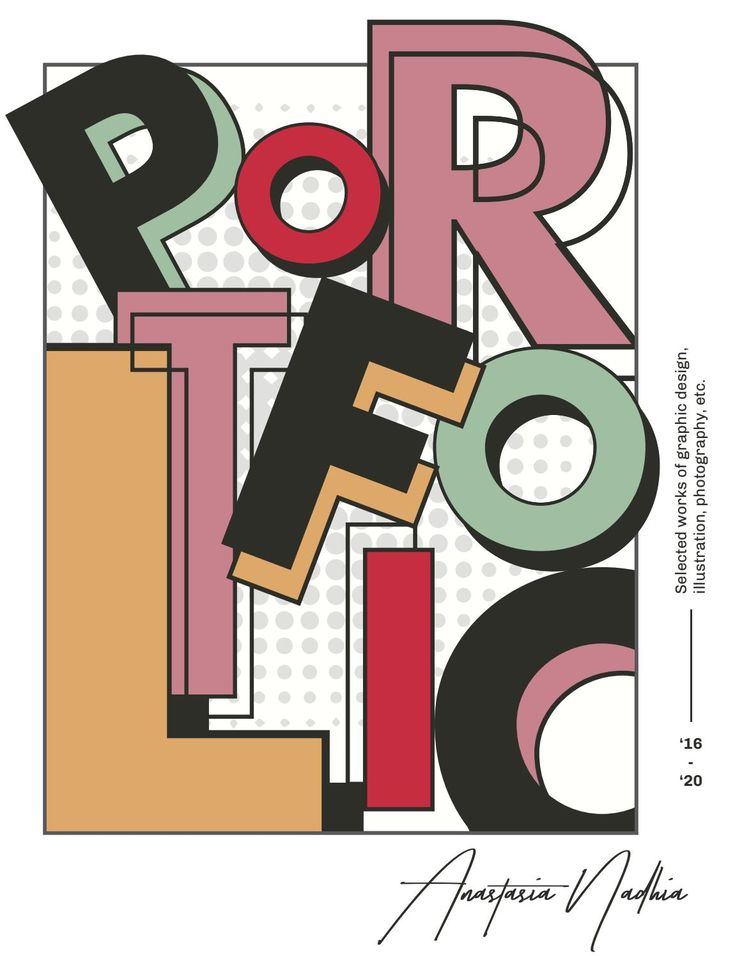
Graphic design is more than just creating attractive visuals—it’s a powerful form of communication that combines creativity, strategy, and technical expertise. In today’s digital-first world, businesses rely on graphic designers to create compelling visual content that captures attention, strengthens brand identity, and engages audiences.
Whether you’re an aspiring designer or a seasoned creative professional, mastering key graphic design skills is essential for staying competitive in the industry. This article explores the most important skills every graphic designer should develop to create impactful and professional designs.
1. Creativity and Visual Thinking
Creativity is the foundation of graphic design. Designers must be able to generate fresh ideas, solve visual problems, and communicate messages in unique and engaging ways.
Why It Matters:
- Helps create original designs.
- Enhances brand differentiation.
- Encourages innovative problem-solving.
Strong visual thinking allows designers to transform concepts into meaningful and memorable visual experiences.
2. Understanding Design Principles
A successful design is built on fundamental design principles that ensure balance, harmony, and visual appeal.
Key Principles Include:
- Balance
- Contrast
- Alignment
- Repetition
- Proximity
- Hierarchy
- White Space
Mastering these principles helps designers create layouts that are both attractive and functional.
3. Typography Skills
Typography plays a crucial role in communicating information effectively.
Essential Typography Knowledge:
- Font selection
- Font pairing
- Readability and legibility
- Text hierarchy
- Spacing and alignment
Well-executed typography enhances user experience and strengthens the overall impact of a design.
4. Color Theory
Colors influence emotions, perceptions, and purchasing decisions. Understanding color theory enables designers to create visually appealing and emotionally effective designs.
Important Color Concepts:
- Color harmony
- Color psychology
- Contrast and accessibility
- Brand color consistency
The right color choices can significantly improve communication and audience engagement.
5. Proficiency in Design Software
Modern graphic designers must be comfortable using industry-standard design tools.
Popular Design Software:
- Adobe Photoshop
- Adobe Illustrator
- Adobe InDesign
- Figma
- Canva
- Adobe XD
Technical proficiency allows designers to efficiently bring creative ideas to life.
6. Branding and Identity Design
Businesses rely on designers to build strong visual identities that communicate their values and personality.
Branding Skills Include:
- Logo design
- Brand guidelines
- Visual consistency
- Marketing collateral design
Understanding branding helps designers create visuals that strengthen brand recognition and trust.
7. Layout and Composition
A well-organized layout ensures that information is presented clearly and effectively.
Benefits of Strong Composition:
- Improves readability
- Guides viewer attention
- Creates visual balance
- Enhances user engagement
Good composition transforms complex information into easy-to-understand visual content.
8. User Experience (UX) Awareness
Graphic designers increasingly work on digital products, making UX knowledge highly valuable.
UX-Related Skills:
- User-centered design
- Information architecture
- Wireframing
- Usability considerations
Understanding how users interact with designs helps create more effective digital experiences.
9. Communication and Collaboration
Graphic design projects often involve working with clients, marketers, developers, and other stakeholders.
Essential Communication Skills:
- Presenting design concepts
- Receiving feedback professionally
- Understanding project requirements
- Collaborating with teams
Strong communication ensures that design solutions align with business objectives.
10. Attention to Detail
Small design errors can affect professionalism and user perception.
Areas Requiring Attention:
- Alignment
- Spacing
- Image quality
- Consistency
- Grammar and spelling
Paying attention to details helps maintain quality and credibility.
11. Time Management and Organization
Graphic designers often juggle multiple projects with strict deadlines.
Effective Time Management Includes:
- Prioritizing tasks
- Meeting deadlines
- Managing revisions
- Organizing files efficiently
Strong organizational skills improve productivity and client satisfaction.
12. Adaptability and Continuous Learning
Design trends, technologies, and tools evolve constantly. Successful designers embrace lifelong learning.
Ways to Stay Updated:
- Follow industry trends
- Learn new software
- Attend workshops and webinars
- Build personal projects
Adaptability ensures long-term success in a rapidly changing creative industry.
Why These Skills Matter
Developing these graphic design skills offers numerous benefits:
- Improved design quality
- Greater career opportunities
- Enhanced creativity and innovation
- Better client satisfaction
- Increased earning potential
- Stronger professional reputation
The combination of creative talent and technical expertise allows designers to stand out in a competitive market.
Conclusion
Graphic design is a dynamic field that requires a balance of artistic vision, technical knowledge, and problem-solving abilities. By mastering essential skills such as creativity, typography, color theory, branding, layout design, communication, and adaptability, creative professionals can produce impactful work that resonates with audiences and delivers results.


