
Fashion designing is one of the most creative and dynamic career fields, combining art, technology, culture, business, and innovation. Fashion designers transform ideas into clothing, accessories, footwear, and other products that reflect changing lifestyles and consumer preferences.
The fashion industry has evolved significantly with the growth of e-commerce, social media, sustainable materials, digital design tools, and global fashion brands. As a result, aspiring designers have more opportunities than ever to build careers in fashion design, styling, merchandising, textile design, apparel production, and fashion entrepreneurship.
Whether you dream of creating your own fashion label or working with an established brand, understanding the fundamentals of fashion designing is an important first step.
What Is Fashion Designing?
Fashion designing is the process of researching, conceptualizing, designing, and developing clothing and fashion products. It involves combining colors, fabrics, textures, patterns, silhouettes, and construction techniques to create functional and visually appealing designs.
Fashion designers consider several factors while developing a collection, including:
- Current fashion trends
- Target customers
- Fabric and material selection
- Comfort and functionality
- Cultural influences
- Production requirements
- Price and market demand
- Brand identity
A successful fashion designer needs both creative imagination and an understanding of how fashion products are developed and marketed.
Why Is Fashion Designing Important?
Fashion is not only about appearance. It is also a form of communication and self-expression. The fashion industry contributes to the creative economy and provides opportunities across design, manufacturing, retail, media, marketing, and technology.
Fashion designing is important because it:
- Encourages creativity and innovation
- Helps establish brand identity
- Reflects cultural and social influences
- Creates employment opportunities
- Supports the textile and apparel industries
- Contributes to retail and e-commerce
- Provides opportunities for entrepreneurship
- Introduces new materials, techniques, and production methods
Major Types of Fashion Designing
Fashion designing offers several specialization options. Students can choose an area according to their interests and career goals.
1. Apparel Designing
Apparel designers create clothing for different categories, including casual wear, formal wear, sportswear, ethnic wear, and occasion wear.
2. Haute Couture
Haute couture focuses on highly customized, detailed, and often handcrafted garments. It emphasizes craftsmanship, originality, luxury, and attention to detail.
3. Textile Designing
Textile designers develop patterns, prints, colors, textures, and surface treatments for fabrics used in clothing and home products.
4. Accessory Designing
Accessory designers create products such as handbags, belts, scarves, hats, and other fashion accessories.
5. Footwear Designing
Footwear designers combine aesthetics, comfort, materials, functionality, and manufacturing techniques to develop shoes and other footwear.
6. Costume Designing
Costume designers create clothing for films, television, theatre, advertising, performances, and other productions. They often research historical periods, characters, cultures, and visual storytelling.
7. Sustainable Fashion Designing
Sustainable fashion focuses on reducing environmental impact through responsible material selection, efficient production, durability, recycling, upcycling, and other approaches.
Essential Skills for a Fashion Designer
Becoming a successful fashion designer requires a combination of creative, technical, and business skills.
Creativity
Creativity is at the heart of fashion designing. Designers need to develop original ideas and translate concepts into visually appealing designs.
Fashion Illustration
The ability to communicate ideas through sketches and fashion illustrations helps designers present concepts before garments are produced.
Knowledge of Fabrics
Designers should understand different fabrics, their properties, textures, durability, comfort, behavior, and suitability for specific garments.
Pattern Making
Pattern making is an important technical skill that allows designers to convert creative concepts into garment components that can be cut and assembled.
Garment Construction
Understanding sewing, stitching, finishing, and garment construction helps designers create practical and production-ready designs.
Color and Trend Awareness
Designers need to understand color combinations, fashion movements, customer preferences, and emerging trends.
Communication
Fashion designers frequently collaborate with manufacturers, models, photographers, stylists, marketers, buyers, and clients. Strong communication skills are therefore essential.
Business Knowledge
Designers interested in launching their own brands should also understand pricing, marketing, merchandising, production, customer research, and financial planning.
Role of Technology in Fashion Designing
Technology is transforming the fashion industry. Designers increasingly use digital tools for sketching, pattern development, garment visualization, product presentations, and collaboration.
Digital fashion design can help professionals:
- Create and edit fashion illustrations
- Develop digital patterns
- Visualize garments before production
- Experiment with colors and materials
- Create technical drawings
- Prepare presentations and portfolios
- Collaborate with teams remotely
Emerging technologies such as artificial intelligence, 3D garment visualization, virtual fashion experiences, and digital sampling are also creating new possibilities for designers.
Fashion Designing Courses
Students interested in fashion designing can choose from different educational pathways depending on their goals.
Common options include:
- Certificate courses in fashion designing
- Diploma programs
- Undergraduate degrees
- Postgraduate programs
- Specialized courses in textile or accessory design
- Short-term courses in pattern making and garment construction
- Digital fashion design courses
Alongside formal education, practical experience is extremely valuable. Workshops, internships, competitions, personal projects, and industry exposure can help students develop professional skills.
Career Opportunities in Fashion Designing
Fashion designing can lead to a wide range of career opportunities.
Popular roles include:
- Fashion Designer
- Assistant Fashion Designer
- Textile Designer
- Fashion Illustrator
- Pattern Maker
- Costume Designer
- Fashion Stylist
- Accessory Designer
- Footwear Designer
- Fashion Merchandiser
- Fashion Buyer
- Fashion Product Developer
- Fashion Entrepreneur
- Creative Director
Professionals can work with fashion houses, apparel manufacturers, retail companies, e-commerce brands, textile companies, media organizations, design studios, or independently.
Fashion Designing as a Business
Fashion designing can also become an entrepreneurial career. Many designers launch their own clothing labels, boutique businesses, online stores, or specialized fashion brands.
Starting a fashion business requires more than design skills. Entrepreneurs need to understand:
- Target customers
- Product development
- Brand positioning
- Pricing
- Manufacturing
- Inventory management
- Digital marketing
- E-commerce
- Customer service
- Financial planning
Social media and online marketplaces have also made it easier for emerging designers to showcase their work and reach customers.
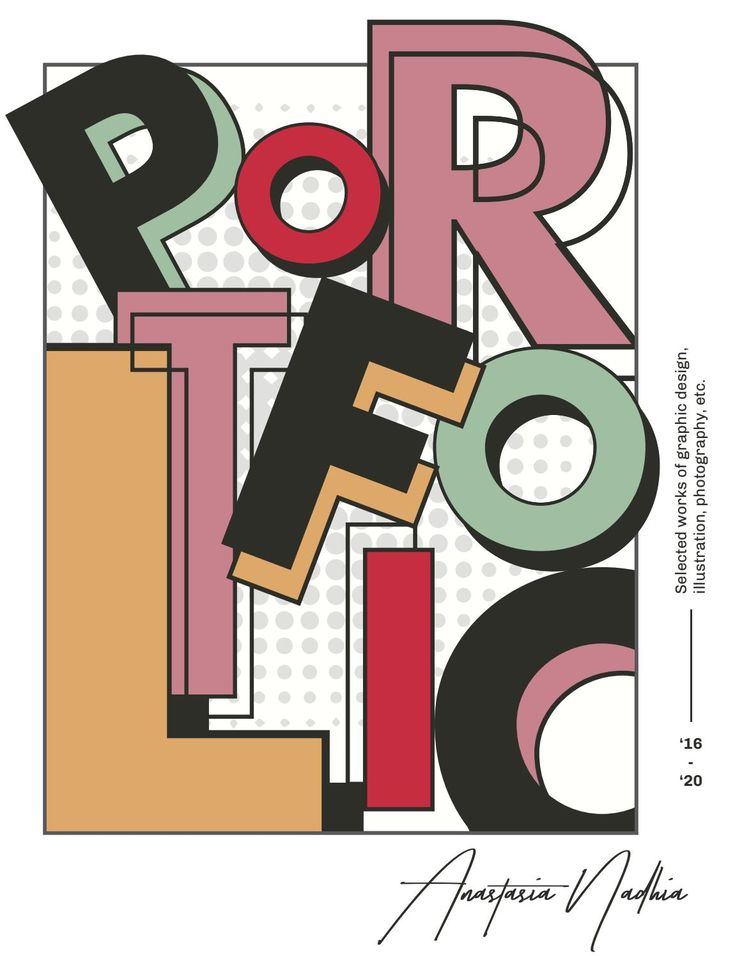
Importance of a Fashion Design Portfolio
A strong portfolio is one of the most important tools for a fashion design student or professional.
A portfolio can demonstrate:
- Fashion illustrations
- Mood boards
- Design concepts
- Color palettes
- Fabric exploration
- Pattern development
- Finished garments
- Photography
- Collection development
- Design research
Instead of simply displaying finished garments, a good portfolio should show the creative process behind the designs.
Future Trends in Fashion Designing
The fashion industry is continuously changing. Several trends are influencing its future, including:
Sustainable Fashion
Consumers and brands are increasingly interested in responsible materials, durability, waste reduction, and more sustainable production practices.
Digital Fashion
Digital garments, 3D design, virtual showrooms, and digital experiences are expanding the possibilities of fashion beyond physical clothing.
Artificial Intelligence
AI tools can assist with trend research, concept development, product visualization, personalization, and parts of the design workflow.
Personalized Fashion
Advances in data and digital commerce are helping brands provide products and experiences that are increasingly tailored to individual consumers.
Technology-Driven Manufacturing
Automation, advanced textiles, digital sampling, and improved production technologies are changing how fashion products are developed and manufactured.
How to Start a Career in Fashion Designing
If you want to pursue fashion designing as a career, consider the following steps:
1. Learn the fundamentals: Understand design principles, fabrics, color, illustration, pattern making, and garment construction.
2. Practice regularly: Create sketches, experiment with fabrics, and develop your own design concepts.
3. Learn digital tools: Develop skills in relevant fashion and design software.
4. Build a portfolio: Showcase your strongest projects and demonstrate your creative process.
5. Gain practical experience: Internships and industry projects can help you understand professional workflows.
6. Develop industry knowledge: Follow fashion businesses, designers, textile developments, consumer trends, and emerging technologies.
7. Build your personal identity: Developing a recognizable design style can help you stand out in a competitive industry.
Conclusion
Fashion designing offers a unique combination of creativity, technical expertise, innovation, and business opportunities. From clothing and textiles to accessories, sustainable fashion, digital design, and entrepreneurship, the field provides numerous paths for creative professionals.


