
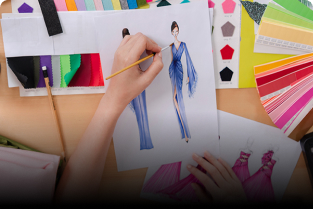
Fashion designing is one of the most exciting and creative career paths for individuals who have a passion for style, innovation, and self-expression. It combines artistic vision with technical expertise to create clothing, accessories, and footwear that reflect cultural trends, consumer preferences, and market demands. As the global fashion industry continues to evolve with technology, sustainability, and digital commerce, the demand for skilled fashion designers is steadily increasing.
Whether you dream of launching your own fashion label, working for a luxury brand, or becoming a freelance designer, fashion designing offers diverse career opportunities and long-term growth. This guide explores the skills, education, career paths, industry trends, and future prospects for aspiring fashion designers.
What Is Fashion Designing?
Fashion designing is the process of conceptualizing, sketching, developing, and producing clothing and accessories that are both functional and aesthetically appealing. Designers combine creativity with knowledge of fabrics, colors, patterns, and garment construction to create collections for different markets and occasions.
Fashion designers work on a wide range of products, including:
- Casual wear
- Formal wear
- Bridal wear
- Sportswear
- Children’s clothing
- Luxury fashion
- Footwear
- Handbags
- Jewelry
- Costume design
Modern fashion design also includes sustainable clothing, digital fashion, and smart textiles.
Why Choose a Career in Fashion Designing?
Fashion designing is an attractive career because it allows professionals to combine creativity with business opportunities. It offers the chance to influence trends, express artistic ideas, and create products that people wear every day.
Some key reasons to choose fashion designing include:
- Opportunities to express creativity
- High demand for skilled designers
- Diverse career paths
- Global employment opportunities
- Entrepreneurial possibilities
- Continuous learning and innovation
- Competitive earning potential
- Ability to work independently or with established brands
Essential Skills for Fashion Designers
A successful fashion designer requires a combination of creative, technical, and business skills.
Creativity and Innovation
Designers must develop original ideas and transform them into attractive collections that appeal to consumers.
Drawing and Sketching
The ability to communicate ideas through fashion illustrations remains an important skill, even with digital design tools.
Knowledge of Fabrics and Textiles
Understanding different fabrics, textures, and materials helps designers choose the right textiles for each garment.
Pattern Making and Garment Construction
Knowing how garments are constructed allows designers to create clothing that fits well and functions effectively.
Color Theory
An understanding of color combinations helps designers create visually appealing collections that align with fashion trends.
Sewing Skills
Basic sewing knowledge enables designers to understand garment construction and communicate effectively with production teams.
Computer-Aided Design (CAD)
Modern fashion designers use software such as Adobe Illustrator, CLO 3D, and other CAD tools to create technical drawings and digital prototypes.
Communication Skills
Fashion designers regularly collaborate with clients, manufacturers, photographers, marketing teams, and retailers.
Time Management
Meeting production deadlines is critical in the fast-paced fashion industry.
Business Knowledge
Understanding branding, pricing, merchandising, and consumer behavior helps designers build successful fashion businesses.
Educational Pathways
Although creativity is essential, formal education can strengthen technical knowledge and improve career opportunities.
Popular educational options include:
- Diploma in Fashion Designing
- Bachelor’s Degree in Fashion Design
- Master’s Degree in Fashion Design
- Certificate courses in fashion illustration
- Textile design programs
- Pattern-making courses
- Fashion merchandising courses
Students also benefit from internships, workshops, and industry projects that provide practical experience.
Popular Career Opportunities
Fashion designing offers numerous career paths across different sectors.
Fashion Designer
Creates clothing collections for fashion brands, retailers, or independent labels.
Textile Designer
Designs fabric prints, textures, and patterns for clothing and home furnishings.
Fashion Illustrator
Produces sketches and visual concepts for designers, magazines, and marketing campaigns.
Costume Designer
Designs costumes for films, television, theater, and entertainment productions.
Fashion Stylist
Selects clothing and accessories for celebrities, advertising campaigns, fashion shows, and editorial shoots.
Fashion Merchandiser
Analyzes market trends and helps businesses select products that meet customer demand.
Pattern Maker
Transforms design sketches into production-ready garment patterns.
Fashion Buyer
Purchases clothing and accessories for retail stores based on market demand and consumer preferences.
Fashion Consultant
Provides expert advice on fashion trends, wardrobe planning, and brand image.
Entrepreneur
Launches and manages an independent fashion label or clothing brand.
Industries That Hire Fashion Designers
Fashion designers can work across various industries, including:
- Apparel manufacturing
- Luxury fashion brands
- Retail companies
- E-commerce businesses
- Film and television
- Textile companies
- Sportswear manufacturers
- Bridal fashion
- Children’s wear
- Fashion media
- Advertising agencies
- Fashion startups
The rise of online shopping has also created opportunities with digital-first fashion brands.
Salary and Career Growth
Fashion designers’ salaries vary based on education, skills, location, experience, and employer.
Entry-level designers typically begin with modest salaries while gaining experience. As they build strong portfolios and industry networks, they can move into senior design roles, creative leadership positions, or launch successful businesses. Designers working with international brands or specializing in luxury fashion often have higher earning potential.
Freelance designers and entrepreneurs can also increase their income by serving clients worldwide through digital platforms.
Essential Tools for Fashion Designers
Modern fashion professionals use various tools to streamline the design and production process.
Popular tools include:
- Adobe Illustrator
- Adobe Photoshop
- CLO 3D
- Browzwear
- CorelDRAW
- Procreate
- Lectra
- Gerber AccuMark
- Canva (for presentations and branding)
- Microsoft Excel (for production planning)
These tools support digital sketching, technical drawings, 3D garment visualization, and product development.
Future Trends in Fashion Designing
The fashion industry continues to evolve rapidly with advancements in technology and changing consumer expectations.
Key trends shaping the future include:
Sustainable Fashion
Consumers increasingly prefer environmentally responsible clothing made from recycled and eco-friendly materials.
Digital Fashion
Virtual clothing for gaming, social media, and the metaverse is becoming an emerging market.
Artificial Intelligence (AI)
AI assists designers in predicting fashion trends, optimizing inventory, and personalizing customer experiences.
3D Design Technology
3D software enables designers to create digital prototypes, reducing production costs and material waste.
Smart Textiles
Innovative fabrics with built-in technology are transforming sportswear, healthcare, and wearable devices.
Customization
Customers increasingly seek personalized clothing tailored to their preferences and measurements.
E-commerce Growth
Online retail continues to create opportunities for fashion designers to reach global audiences.
How to Build a Successful Fashion Designing Career
Success in fashion designing requires continuous learning and practical experience.
Follow these steps:
- Build strong drawing and design skills.
- Learn garment construction and pattern making.
- Master industry-standard design software.
- Create a professional portfolio showcasing your best work.
- Complete internships to gain practical experience.
- Stay updated on fashion trends and consumer preferences.
- Develop networking skills by attending fashion events and industry exhibitions.
- Learn marketing and branding strategies if you plan to launch your own label.
- Continuously improve through workshops, certifications, and online learning.
- Maintain creativity while adapting to changing market demands.
Challenges in Fashion Designing
Like any creative profession, fashion designing presents several challenges.
- Intense competition
- Fast-changing trends
- Tight production deadlines
- Balancing creativity with commercial success
- Managing production costs
- Meeting customer expectations
- Building a strong personal brand
Overcoming these challenges requires resilience, adaptability, and a commitment to continuous improvement.
Conclusion
Fashion designing is a rewarding career that blends creativity, technical expertise, and business knowledge. From designing everyday apparel to luxury collections and sustainable fashion, designers play a vital role in shaping the global fashion industry. As technology, digital commerce, and consumer preferences continue to evolve, new opportunities are emerging for skilled professionals who are willing to innovate and adapt.


