
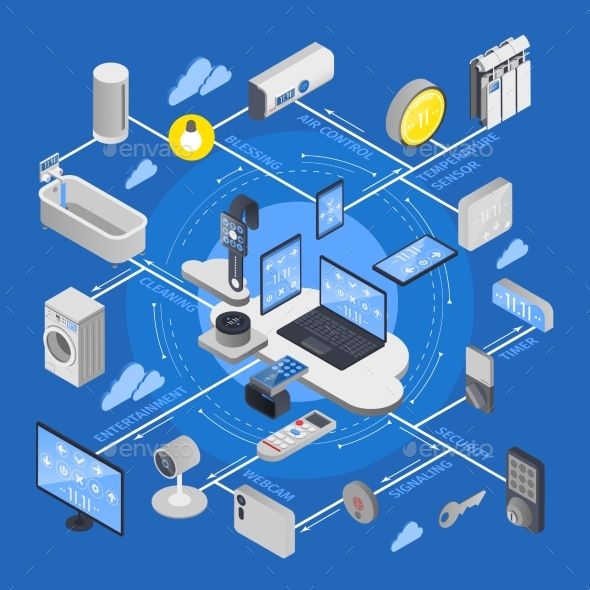
Building robots and Internet of Things (IoT) devices from scratch is an exciting journey filled with creativity, problem-solving, and hands-on learning. Whether you dream of designing smart home gadgets, autonomous robots, or innovative electronic systems, you can absolutely start from zero and grow into an expert. This blog will guide you through a beginner-friendly roadmap to start your robotics and IoT learning journey.
1. Start With the Basics of Electronics
Before you dive into robotics or IoT, you must understand basic electronics. These foundational concepts help you work with circuits, sensors, motors, and microcontrollers.
Begin with:
-
Voltage, current, and resistance
-
Ohm’s law
-
Breadboards and basic components (LEDs, resistors, capacitors, switches)
-
Simple circuits
Good starting resources: beginner electronics kits, YouTube tutorials, and free electronics courses.
2. Learn a Beginner-Friendly Programming Language
Robots and IoT devices rely on logic, programming, and automation. Start with an easy programming language that is widely used in embedded projects.
Recommended languages:
-
Python (for IoT, AI, automation)
-
C/C++ (for microcontrollers like Arduino)
You don’t need advanced coding skills initially — basic loops, conditionals, functions, and debugging are enough to begin.
3. Get Hands-On With Microcontrollers
Microcontrollers are the “brains” of robots and IoT devices. Learning how to program and connect them is the biggest step toward building real projects.
Start with:
-
Arduino – Best for robotics beginners
-
NodeMCU (ESP8266) – For Wi-Fi-based IoT
-
ESP32 – For advanced IoT + robotics (Bluetooth + Wi-Fi + higher power)
Begin with basic projects:
-
Blinking an LED
-
Using a temperature sensor
-
Controlling a motor
These small steps build your confidence.
4. Experiment With Sensors and Actuators
Robots and IoT devices interact with the real world using sensors and actuators.
Common sensors:
-
Ultrasonic sensor
-
Temperature & humidity sensors
-
IR sensors
-
Motion (PIR) sensors
Common actuators:
-
DC motors
-
Servo motors
-
Relays
-
Buzzers & displays
Learn how each component works and try mini projects like:
-
Automatic light system
-
Obstacle-avoiding robot
-
Smart door lock
5. Understand IoT Communication Technologies
IoT is all about connecting devices. After basics, learn how devices communicate.
Technologies to explore:
-
Wi-Fi
-
Bluetooth
-
MQTT protocol
-
Cloud platforms (like Blynk, Firebase, ThingsBoard)
Begin with simple IoT projects:
-
Send sensor data to your mobile
-
Control an LED from anywhere in the world
-
Create a smart home automation system
6. Learn Mechanical Basics for Robotics
To build functional robots, you should understand:
-
Robot chassis design
-
Wheels and gears
-
Motor drivers
-
Power supply systems
You don’t need advanced mechanical engineering knowledge — just basics and experimentation.
7. Start Building Beginner Robotics Projects
Once you understand the basics, begin creating small robots such as:
-
Line-following robot
-
Obstacle-avoiding robot
-
Bluetooth-controlled car
-
Voice-controlled robot
These projects teach:
-
Sensor integration
-
Motion control
-
Real-time decision-making
8. Join Robotics & IoT Communities
Communities help you learn faster, solve problems, and stay motivated.
Join:
-
Arduino forums
-
Reddit electronics groups
-
GitHub projects
-
Local robotics clubs
-
Online courses & Discord groups
Being part of a community exposes you to real industry knowledge.
9. Explore Cloud and AI Integration
Once you’re confident, you can upgrade your skills by exploring:
-
Cloud IoT platforms
-
Data analytics
-
Machine learning for robots
-
Voice assistants (Alexa, Google)
-
Computer vision using OpenCV
This transforms your projects from basic to advanced.
10. Keep Experimenting and Building
Robotics and IoT are practical fields. The more you build, the more you learn.
Try to create:
-
Your own home automation system
-
A personal robot assistant
-
Smart wearable devices
-
Energy monitoring systems
Every project improves your skills and helps you move closer to becoming an expert.
Conclusion
Learning robotics and IoT from scratch is absolutely possible. All you need is curiosity, consistency, and hands-on practice. Start small with electronics and microcontrollers, then move into sensors, robotics, IoT communication, and cloud technologies. With every project you build, you’ll understand the power of combining hardware and software to create smart, real-world solutions.


