
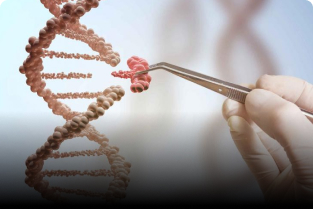
Nanotechnology holds incredible promise—revolutionizing medicine, manufacturing, energy, and environmental sustainability. However, like any powerful technology, it also comes with risks. From self-replicating nanobots to toxic nanoparticles and surveillance threats, dangerous nanotechnology could pose serious challenges if not managed responsibly.
Preventing harmful outcomes doesn’t mean stopping innovation. Instead, it means guiding it with strong ethics, international cooperation, and scientific safeguards. Here’s how the world can prevent the development of dangerous nanotechnology.
1. Establishing Strong Regulatory Frameworks
Just like biotechnology and nuclear research, nanotechnology requires clear laws and oversight. Effective regulations help ensure that research and applications stay safe and transparent.
Key steps include:
-
Setting safety standards for nanoparticle production and usage
-
Requiring risk assessments before commercial deployment
-
Regulating fields like nano-medicine, nano-robotics, and nano-materials
-
Monitoring high-risk industries such as military and chemical manufacturing
Countries like the U.S. and EU already have nanotechnology guidelines, but global cooperation is essential.
2. Encouraging Ethical Research Practices
Ethics must guide nanotechnology from the lab to real-world deployment.
Researchers should follow:
-
Transparency in experiments and outcomes
-
Peer review and cross-lab collaboration
-
Ethical guidelines similar to those used in genetics and AI
-
Environmental responsibility when producing or disposing nanomaterials
Universities and research institutions must also train scientists on the ethical implications of nanotech.
3. Implementing Robust Safety Protocols in Laboratories
Many dangers arise when nanoparticles behave unexpectedly in biological or environmental systems.
To prevent accidents:
-
Design labs with nano-specific containment systems (e.g., fume hoods, filters)
-
Train staff in safe handling procedures
-
Implement real-time monitoring of nano-material exposure
-
Develop emergency protocols for spills and contamination
Strict safety measures minimize accidental release and misuse.
4. Promoting International Collaboration and Agreements
Nanotechnology is global—so are its risks. Preventing dangerous applications requires collaboration similar to the Nuclear Non-Proliferation Treaty (NPT).
Possible global actions:
-
International rules for nano-weapon development
-
Shared databases for nanotech risks and incidents
-
Regular global summits on emerging nanotechnology
-
Agreeing on ethical boundaries, such as banning self-replicating nanobots
International treaties can prevent nanotechnology from becoming a geopolitical weapon.
5. Encouraging Responsible Industrial Development
Industries must prioritize safety, not just profitability. This includes:
-
Using green nanotechnology to reduce environmental impact
-
Conducting long-term toxicity studies
-
Labeling products containing nanoparticles
-
Keeping supply chains transparent
Responsible commercialization ensures that harmful products don’t reach consumers.
6. Investing in Risk Assessment and Early Warning Systems
Scientists need better tools to detect, track, and understand nanomaterial behavior.
Research should focus on:
-
Toxicity prediction models
-
Nano-environmental monitoring systems
-
AI tools for identifying risky nanostructures
-
Behavior simulations for nanobots and nano-machines
Early detection is essential before potential threats escalate.
7. Educating the Public and Policymakers
A well-informed society is less vulnerable to misuse of advanced technologies.
Awareness efforts should include:
-
Public education on safe nanotechnology usage
-
Policymaker training on scientific risks and limits
-
Clear labeling and communication from industries
When people understand nanotechnology, they can make responsible choices and support preventive measures.
8. Encouraging Transparency in Defense-Related Research
Nanotechnology has military applications—including invisibility materials, bio-nano weapons, and advanced robotics. To prevent dangerous development:
-
Governments should maintain strict oversight of defense nanotech
-
Encourage international transparency agreements
-
Ban research into autonomous self-replicating nano-weapons
Defense secrecy must be balanced with global security.
Conclusion
Nanotechnology has immense potential—but without proper safeguards, it could also pose serious risks to health, the environment, and global security. By combining regulation, ethics, international cooperation, scientific safety, and public awareness, we can ensure nanotechnology evolves responsibly.


