
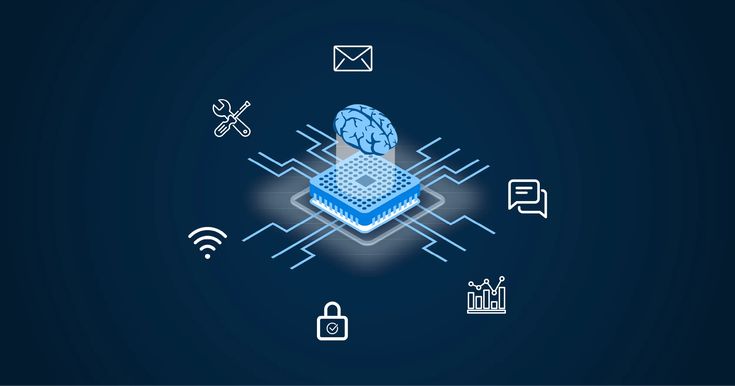
Embedded systems are everywhere—from your smartphone and washing machine to cars and smart home devices. Yet, many people don’t fully understand what they are or how they work. If you’re new to this field, this guide will help you understand embedded systems in a simple and clear way.
What Is an Embedded System?
An embedded system is a specialized computer designed to perform a specific task within a larger system. Unlike general-purpose computers (like laptops), embedded systems are built for dedicated functions.
Examples of Embedded Systems:
- Microwave ovens
- Smart TVs
- Washing machines
- Traffic control systems
- Automotive control units
These systems are optimized for efficiency, reliability, and real-time performance.
Core Components of an Embedded System
To understand how embedded systems work, let’s break down their key components:
1. Microcontroller or Microprocessor
This is the “brain” of the system. It processes data and executes instructions.
- Microcontrollers are commonly used in simple systems
- Microprocessors are used in more complex systems
2. Memory
Embedded systems use memory to store data and programs:
- ROM (Read-Only Memory): Stores permanent instructions
- RAM (Random Access Memory): Stores temporary data
3. Input Devices
These allow the system to receive data from the environment:
- Sensors (temperature, pressure, motion)
- Keypads or buttons
4. Output Devices
These enable the system to interact with the outside world:
- Displays (LCD/LED screens)
- Motors
- Buzzers or speakers
5. Software (Firmware)
The software programmed into the system is called firmware. It controls how the hardware operates and ensures the system performs its intended function.
How Embedded Systems Work
At a basic level, embedded systems follow a simple cycle:
Step 1: Input Collection
Sensors or input devices gather data from the environment.
Step 2: Data Processing
The microcontroller processes the input using programmed instructions.
Step 3: Output Generation
Based on the processed data, the system performs an action (like turning on a motor or displaying information).
Step 4: Feedback Loop
Some systems continuously monitor and adjust based on feedback.
Types of Embedded Systems
Embedded systems can be categorized based on complexity and functionality:
- Standalone Embedded Systems: Work independently (e.g., microwave ovens)
- Real-Time Embedded Systems: Provide instant responses (e.g., airbags in cars)
- Networked Embedded Systems: Connected via networks (e.g., IoT devices)
- Mobile Embedded Systems: Found in portable devices (e.g., smartphones)
Real-World Applications
Embedded systems are used across many industries:
1. Consumer Electronics
Smartphones, TVs, and home appliances rely on embedded systems for automation and control.
2. Automotive Industry
Modern cars use embedded systems for:
- Engine control
- Safety systems (airbags, ABS)
- Navigation
3. Healthcare
Medical devices like:
- Heart monitors
- Imaging systems
- Wearable health trackers
depend heavily on embedded technology.
4. Industrial Automation
Factories use embedded systems for:
- Process control
- Robotics
- Monitoring systems
Advantages of Embedded Systems
- Efficiency: Designed for specific tasks
- Reliability: Fewer errors and stable performance
- Low Power Consumption: Ideal for portable devices
- Compact Size: Fits into small devices
Challenges of Embedded Systems
- Limited memory and processing power
- Difficult to upgrade once deployed
- Requires specialized development skills
The Future of Embedded Systems
Embedded systems are evolving rapidly with advancements in:
- Artificial Intelligence
- Internet of Things (IoT)
- Edge computing
In the future, these systems will become smarter, more connected, and even more essential to everyday life.
Conclusion
Embedded systems are the hidden engines powering modern technology. From simple household devices to advanced industrial machines, they play a critical role in making systems efficient and intelligent.


