
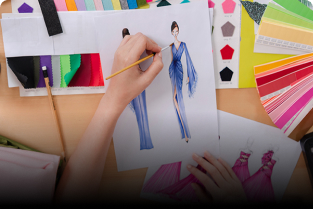
Fashion designing is more than creating attractive clothing; it is a powerful force that influences cultures, economies, and individual identities around the world. Fashion designers play a crucial role in shaping what people wear, how they express themselves, and how trends evolve across different regions. From luxury runways to everyday streetwear, fashion design impacts both global trends and personal style in significant ways.
The Influence of Fashion Designers on Global Trends
Fashion designers are trendsetters who introduce new ideas, colors, fabrics, and silhouettes each season. Through fashion shows, social media platforms, and collaborations with brands, designers influence consumer preferences worldwide.
Major fashion events often showcase innovative collections that set the tone for upcoming trends. Designers experiment with sustainability, technology, and cultural inspirations, creating styles that are adopted by retailers and consumers globally. As a result, a trend that begins on a runway can quickly become popular in cities across different continents.
Fashion as a Reflection of Culture
Fashion design serves as a bridge between tradition and modernity. Designers frequently draw inspiration from cultural heritage, art, history, and social movements. By incorporating cultural elements into contemporary designs, they help preserve traditions while introducing them to new audiences.
Globalization has also allowed fashion trends to travel across borders. Traditional patterns, fabrics, and techniques from one region can inspire designers worldwide, creating a rich exchange of cultural influences within the fashion industry.
Personal Style and Self-Expression
One of the most important aspects of fashion is its ability to help individuals express their personality. Clothing choices communicate personal preferences, values, and lifestyles. Fashion designers create diverse collections that cater to different tastes, allowing people to build unique personal styles.
Whether someone prefers classic elegance, modern minimalism, street fashion, or bold statement pieces, fashion design provides endless opportunities for self-expression. Personal style helps individuals feel confident and distinguish themselves in both social and professional environments.
The Role of Technology in Fashion Design
Technology has transformed the fashion industry in remarkable ways. Digital design tools, 3D modeling software, and artificial intelligence are helping designers create innovative collections more efficiently. Social media platforms have also become powerful channels for discovering and spreading trends.
Consumers can now access fashion inspiration instantly, making trends more dynamic and global than ever before. Technology enables designers to connect directly with audiences, gather feedback, and respond quickly to changing market demands.
Sustainability and Modern Fashion Trends
As environmental awareness grows, sustainable fashion has become a major trend shaping the industry. Designers are increasingly using eco-friendly materials, ethical production methods, and recycling initiatives to reduce fashion’s environmental impact.
Consumers are also becoming more conscious of their purchasing decisions, driving demand for sustainable and responsible fashion. This shift is encouraging designers to balance creativity with environmental responsibility, creating a more sustainable future for the industry.
Fashion’s Impact on the Economy
Fashion design contributes significantly to the global economy. The industry creates millions of jobs in design, manufacturing, retail, marketing, and e-commerce. Successful fashion brands influence consumer spending and drive innovation across related sectors.
As fashion trends evolve, businesses adapt to changing consumer preferences, creating opportunities for designers, entrepreneurs, and fashion professionals worldwide.
Career Opportunities in Fashion Designing
Fashion designing offers a wide range of career paths, including fashion designer, textile designer, stylist, fashion illustrator, merchandiser, and fashion marketer. With the growth of online shopping and digital platforms, opportunities in the fashion industry continue to expand.
Aspiring designers must develop creativity, technical skills, and an understanding of market trends to succeed in this competitive field. Continuous learning and innovation are essential for staying relevant in the ever-changing fashion landscape.
Conclusion
Fashion designing plays a vital role in shaping global trends and personal style. Through creativity, cultural influence, technological innovation, and sustainability, designers impact how people dress and express themselves. As the fashion industry continues to evolve, fashion design will remain a powerful medium for artistic expression, cultural exchange, and personal identity. Whether influencing international trends or helping individuals create their unique look, fashion designing continues to shape the world in meaningful ways.


