
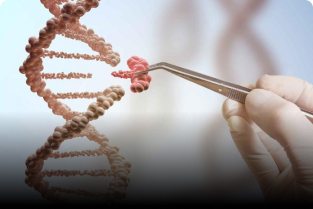
The healthcare industry is continuously evolving with advancements in science and technology. One of the most promising developments is the combination of genetic engineering and personalized medicine. Traditional medical treatments often follow a generalized approach, where patients with similar conditions receive similar medications and therapies. However, every individual has a unique genetic makeup that can influence their health, disease risks, and response to treatment.
Genetic engineering is helping researchers understand these genetic differences and develop more targeted medical solutions. By studying and modifying genetic material, scientists can explore new ways to prevent diseases, improve treatment outcomes, and create therapies tailored to individual patients.
In this blog, we will explore how genetic engineering is shaping the future of personalized medicine and transforming modern healthcare.
1. Understanding Genetic Engineering and Personalized Medicine
Genetic engineering involves modifying or manipulating an organism’s DNA using specialized scientific techniques. It allows researchers to study genes, identify genetic variations, and develop innovative treatments for different diseases.
Personalized medicine, also known as precision medicine, focuses on providing healthcare solutions based on an individual’s genetic information, lifestyle, and environmental factors.
By combining these two fields, medical professionals can better understand why certain treatments work for some patients but not others. This approach supports more accurate diagnoses and targeted treatment strategies.
2. Improving Disease Diagnosis Through Genetic Testing
One of the major contributions of genetic engineering to personalized medicine is improved disease diagnosis.
Genetic testing helps identify specific genetic variations associated with inherited conditions and certain types of cancer. By examining an individual’s DNA, healthcare professionals can assess potential health risks and make more informed medical decisions.
For example, genetic testing can identify inherited changes in the BRCA1 and BRCA2 genes, which are associated with increased risks of breast and ovarian cancer.
Early identification of certain genetic risks allows individuals and healthcare providers to consider appropriate screening, prevention, and monitoring strategies.
3. Developing Targeted Treatments for Diseases
Traditional treatments do not always produce the same results for every patient. Genetic differences can influence how the body responds to medications and therapies.
Personalized medicine uses genetic information to help select treatments that are more suitable for individual patients.
For example, targeted cancer therapies can focus on specific genetic changes or molecular characteristics found in cancer cells. This approach can help improve treatment effectiveness while reducing unnecessary exposure to treatments that may be less beneficial.
Genetic engineering also supports the development of advanced therapies that target the underlying causes of certain diseases.
4. The Role of CRISPR Technology in Personalized Medicine
CRISPR-Cas9 is one of the most important developments in modern genetic engineering. It is a gene-editing technology that allows scientists to make targeted changes to DNA.
Researchers are exploring CRISPR technology to understand genetic disorders and develop potential treatments for conditions caused by specific genetic mutations.
One important example is sickle cell disease. Gene-editing approaches have led to approved treatments for eligible patients, demonstrating the growing potential of genetic technologies in modern medicine.
However, gene editing still requires careful evaluation because unintended genetic changes, safety concerns, accessibility, and ethical considerations remain important challenges.
5. Advancing Cancer Treatment Through Genetic Research
Cancer is a complex disease involving genetic changes that affect how cells grow and divide. Different patients may have different genetic characteristics, even when diagnosed with the same type of cancer.
Genetic research helps doctors and scientists identify specific mutations that contribute to cancer development.
This information supports precision oncology, where treatments are selected based on the molecular and genetic characteristics of an individual’s cancer.
Genetic engineering is also contributing to the development of innovative cancer treatments, including engineered immune cells that can recognize and attack cancer cells.
These advancements are creating new possibilities for more targeted and effective cancer care.
6. Supporting the Development of Gene Therapy
Gene therapy is another important area where genetic engineering is transforming personalized medicine.
It involves introducing, replacing, or modifying genetic material in a patient’s cells to treat or prevent disease.
Gene therapy is being developed and used for certain inherited disorders, cancers, and other medical conditions.
For example, some gene therapies aim to replace a faulty gene with a functional copy, while others modify specific cells to improve their ability to fight disease.
As research advances, gene therapy may provide treatment options for conditions that have historically been difficult to manage.
7. Reducing Adverse Drug Reactions Through Pharmacogenomics
Not everyone responds to medication in the same way. A drug that works effectively for one person may cause side effects or provide limited benefits to another.
Pharmacogenomics studies how genetic variations influence an individual’s response to medications.
By understanding these genetic differences, healthcare professionals can make better decisions about drug selection and dosage for certain treatments.
For example, genetic testing can help identify patients who may experience serious adverse reactions to particular medications.
This approach has the potential to improve medication safety, reduce unnecessary treatment complications, and support more effective healthcare.
8. The Role of Artificial Intelligence in Genetic Medicine
Artificial intelligence is playing an increasingly important role in personalized medicine by helping researchers analyze large amounts of genetic and medical data.
AI-powered tools can identify patterns in DNA sequences, support the interpretation of genetic variations, and assist researchers in understanding disease mechanisms.
When combined with genetic engineering, AI can accelerate research into potential treatments and improve the development of personalized healthcare solutions.
However, accurate data, clinical validation, patient privacy, and responsible use of AI remain essential for reliable medical applications.
9. Challenges and Ethical Considerations
Although genetic engineering offers significant opportunities, its application in personalized medicine also presents several challenges.
Some important concerns include:
- High Treatment Costs: Advanced genetic testing and gene therapies can be expensive, limiting access for many patients.
- Data Privacy: Genetic information is highly personal and requires strong protection against unauthorized access or misuse.
- Ethical Concerns: Genetic modification raises questions about human rights, consent, and the limits of scientific intervention.
- Technical Limitations: Gene-editing technologies may cause unintended changes that require careful monitoring.
- Healthcare Accessibility: Advanced personalized treatments are not equally available across different regions and populations.
Addressing these challenges will be important for ensuring that genetic advancements benefit society safely and responsibly.
10. The Future of Personalized Medicine
The future of personalized medicine will likely involve greater integration of genetic engineering, biotechnology, artificial intelligence, and advanced diagnostic tools.
Researchers are exploring new gene-editing methods, improved gene therapies, and more accurate genetic testing techniques.
These developments may help healthcare professionals identify disease risks earlier, select more effective treatments, and provide care based on individual biological characteristics.
As scientific understanding improves, personalized medicine could become an increasingly important part of healthcare systems worldwide.
Conclusion
Genetic engineering is playing a significant role in shaping the future of personalized medicine. From improving genetic diagnosis and developing targeted cancer treatments to advancing gene therapy and pharmacogenomics, these technologies are changing how diseases are understood and treated.


