
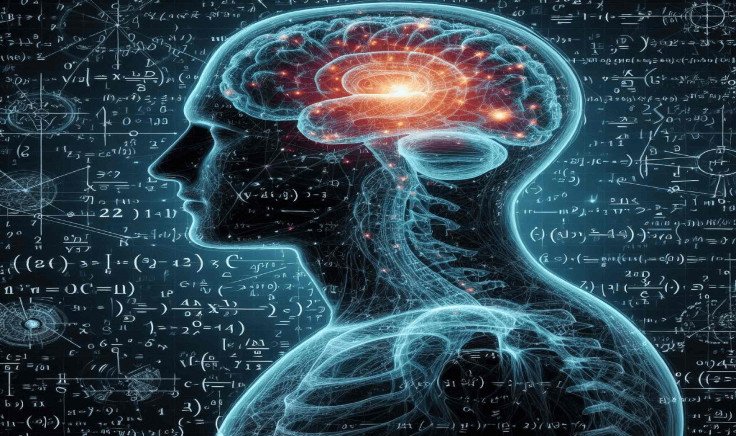
Neurology is one of the fastest-evolving fields of medicine, dedicated to understanding and treating disorders of the brain, spinal cord, and nervous system. As researchers uncover new insights into how the nervous system functions, neurology continues to drive groundbreaking innovations that improve patient care and expand the possibilities of modern medicine.
From artificial intelligence-assisted diagnosis to advanced neuroimaging and personalized treatments, neurology is reshaping healthcare in remarkable ways. Its influence extends beyond treating neurological disorders, contributing to fields such as rehabilitation, mental health, genetics, robotics, and precision medicine. This article explores how neurology is shaping the future of medical science and transforming the way healthcare professionals diagnose, treat, and prevent diseases.
What Is Neurology?
Neurology is the branch of medicine that focuses on diagnosing, treating, and preventing disorders affecting the nervous system. The nervous system includes:
- The brain
- The spinal cord
- Peripheral nerves
- Muscles involved in nerve function
Neurologists manage a wide range of conditions, including stroke, epilepsy, migraine, Parkinson’s disease, Alzheimer’s disease, multiple sclerosis, neuropathy, brain tumors, and neuromuscular disorders.
Why Neurology Is More Important Than Ever
As life expectancy increases, neurological disorders have become more common worldwide. Aging populations, lifestyle-related diseases, and advances in diagnostic technologies have increased the demand for neurological care.
Early diagnosis and innovative treatment strategies help patients maintain independence, improve quality of life, and reduce long-term healthcare costs.
How Neurology Is Transforming Medical Science
1. Advancing Brain Research
Modern neuroscience is providing deeper insights into how the brain controls movement, memory, emotions, learning, and behavior. Researchers continue to uncover the biological mechanisms behind neurological diseases, leading to more effective treatments and preventive strategies.
Better understanding of brain function is also improving research in psychology, psychiatry, and cognitive science.
2. Improving Early Disease Detection
Early diagnosis plays a critical role in treating neurological disorders. Advanced imaging technologies such as MRI, CT scans, PET scans, and functional brain imaging allow physicians to detect diseases before severe symptoms appear.
Earlier intervention often leads to better treatment outcomes and slower disease progression.
3. Artificial Intelligence in Neurology
Artificial intelligence (AI) is transforming neurological diagnosis by analyzing medical images, identifying disease patterns, and supporting clinical decision-making.
AI-powered tools help physicians detect conditions such as stroke, brain tumors, Alzheimer’s disease, and epilepsy with greater speed and accuracy. Machine learning also supports predictive models that estimate disease progression and assist in treatment planning.
4. Personalized Medicine
Neurology is increasingly embracing personalized medicine, where treatments are tailored to an individual’s genetics, medical history, and lifestyle.
Genetic testing helps physicians identify inherited neurological conditions and choose therapies that are more effective for specific patients, improving outcomes while reducing unnecessary treatments.
5. Breakthroughs in Neurogenetics
Advances in genetics have revolutionized the understanding of many neurological diseases. Scientists can now identify genetic mutations linked to conditions such as Huntington’s disease, muscular dystrophy, and certain forms of epilepsy.
These discoveries are paving the way for gene-based therapies that target diseases at their source.
6. Innovation in Stroke Care
Stroke treatment has improved dramatically over the past decade. Rapid diagnosis, clot-removal procedures, advanced medications, and specialized stroke units have significantly increased survival rates and reduced long-term disability.
Telemedicine also enables neurologists to evaluate stroke patients remotely, ensuring faster access to life-saving care.
7. Neurotechnology and Brain-Computer Interfaces
Brain-computer interface (BCI) technology allows communication between the brain and external devices. These innovations are helping patients with paralysis regain movement, control prosthetic limbs, and communicate using brain signals.
BCIs have enormous potential for improving the lives of individuals with severe neurological disabilities.
8. Robotics in Neurological Rehabilitation
Robotic rehabilitation devices assist patients recovering from strokes, spinal cord injuries, and traumatic brain injuries. Combined with physical therapy, these technologies improve mobility, strengthen muscles, and support faster recovery.
Virtual reality and wearable robotic systems are also becoming valuable tools in neurological rehabilitation.
9. Advancing Treatment for Neurodegenerative Diseases
Researchers are developing innovative therapies for conditions such as Alzheimer’s disease, Parkinson’s disease, and amyotrophic lateral sclerosis (ALS). These include targeted medications, immunotherapies, stem cell research, and disease-modifying treatments aimed at slowing progression rather than simply managing symptoms.
While many therapies are still under investigation, they represent promising advances for patients and families.
10. Better Understanding of Mental Health
Neurology increasingly overlaps with psychiatry to better understand conditions such as depression, anxiety, schizophrenia, and bipolar disorder.
Research into brain networks, neurotransmitters, and neural pathways is improving diagnosis and enabling more targeted treatments for mental health conditions.
The Role of Technology in Neurology
Technology continues to accelerate neurological research and clinical care through:
- High-resolution brain imaging
- Artificial intelligence
- Wearable health monitoring devices
- Telemedicine
- Electronic health records
- Brain stimulation technologies
- Robotic surgery
- Virtual reality rehabilitation
- Big data analytics
These innovations enable neurologists to provide faster, more accurate, and more personalized care.
Career Opportunities in Neurology
Neurology offers diverse career opportunities for healthcare professionals and researchers, including:
- Clinical neurologist
- Neurosurgeon
- Neurophysiologist
- Stroke specialist
- Pediatric neurologist
- Neurorehabilitation specialist
- Clinical researcher
- Neuroscience educator
- Medical imaging specialist
- Pharmaceutical and biotechnology researcher
As neurological disorders become more prevalent, demand for skilled professionals in this field continues to grow.
Challenges Facing Neurology
Despite rapid progress, neurology faces several ongoing challenges:
- Increasing prevalence of neurological disorders
- Limited access to specialized neurological care in many regions
- High treatment costs
- Complexity of brain diseases
- Need for earlier diagnosis
- Continuous advancements requiring ongoing professional education
Addressing these challenges will require continued investment in research, healthcare infrastructure, and medical education.
The Future of Neurology
The future of neurology is closely linked with emerging technologies such as artificial intelligence, precision medicine, gene therapy, regenerative medicine, and brain-computer interfaces. Researchers are working toward earlier diagnosis, more effective therapies, and even preventive strategies for neurological diseases.
Collaboration among neurologists, neuroscientists, engineers, geneticists, and data scientists will continue to accelerate discoveries that improve patient outcomes and expand our understanding of the human brain.
Conclusion
Neurology is playing a transformative role in the future of medical science. Through advances in brain research, artificial intelligence, neuroimaging, genetics, rehabilitation, and personalized medicine, the field is revolutionizing the diagnosis and treatment of neurological disorders.


