
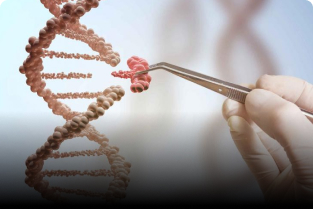
Imagine editing genes with tools so small they’re invisible to powerful microscopes—machines that can enter a single cell, repair DNA, deliver medicine, and rewrite life at its core.
This is the promise of nano-genetics, a groundbreaking fusion of genetic engineering and nanotechnology that is rapidly reshaping the future of science, health, and humanity.
As we learn to manipulate life at the nanoscale, we open the door to innovations once seen only in science fiction.
What Is Nano-Genetics?
Nano-genetics refers to the use of nanoscale materials, devices, or technologies to influence, edit, or study genetic material.
Where traditional genetic engineering involves modifying DNA through biochemical methods, nano-genetics takes this further by using ultra-small tools—often 1 to 100 nanometers—to:
- deliver genetic material directly into cells,
- repair DNA mutations in real time,
- activate or silence specific genes,
- and observe genetic processes without disrupting them.
This results in an unprecedented level of precision, efficiency, and control.
How Nanotechnology Enhances Genetic Engineering
1. Precision Gene Delivery
Nano-carriers such as:
- lipid nanoparticles (LNPs)
- carbon nanotubes
- gold nanoparticles
are used to deliver genetic information (like mRNA or CRISPR components) directly into cells without harming surrounding tissues.
This approach gained massive attention when LNPs were used in mRNA vaccines.
2. Improved Gene Editing with CRISPR
Nanotechnology helps CRISPR tools enter cells more easily and reduces off-target effects.
This means gene edits can become safer, more targeted, and more efficient.
3. Nanoscale DNA Repair Systems
Nanobots (molecular-scale machines) are being designed to identify and repair damaged DNA sequences, offering future possibilities for treating inherited disorders such as:
- cystic fibrosis
- hemophilia
- muscular dystrophy
4. Real-Time Genetic Monitoring
Quantum dots and nanosensors allow scientists to observe cellular processes as they happen—like watching genes switch on and off—providing valuable insights for research and diagnosis.
Applications of Nano-Genetics
1. Medicine & Healthcare
Nano-genetics is opening new doors for personalized medicine, where treatments are tailored to an individual’s genetic makeup.
Key applications include:
- Gene therapy for genetic disorders
- Cancer treatment through targeted nanocarriers
- Regenerative medicine using nano-enabled DNA repair
Soon, diseases may be treatable not with drugs alone, but with tiny genetic tools that fix the root cause.
2. Agriculture & Food Security
Nano-genetics could revolutionize farming by creating:
- pest-resistant crops
- nutrient-rich plants
- climate-resilient varieties
- faster-growing produce
This can significantly improve global food security amid climate change.
3. Environmental Applications
Nanotechnology-assisted genetic modification can help create organisms capable of:
- breaking down pollutants
- absorbing carbon
- cleaning contaminated soil and water
These engineered “bio-cleaners” may become crucial in future environmental restoration efforts.
Ethical Considerations and Risks
With great power comes great responsibility.
Nano-genetics raises important questions:
- Should humans be allowed to alter their genomes?
- How do we prevent misuse of such precise technologies?
- Who regulates nanoscale gene editing tools?
- What happens if modified organisms spread uncontrollably?
Balancing innovation with ethical responsibility will be key to shaping the future of nano-genetics.
The Future of Nano-Genetics
We stand at the beginning of a new scientific era—one where nanotechnology and genetic engineering merge to unlock extraordinary possibilities.
In the next decade, we could see:
- routine treatments for genetic diseases,
- advanced nano-bots repairing DNA within cells,
- genetically optimized crops feeding millions,
- and personalized genetic medicines becoming mainstream.
Nano-genetics is more than a technological trend—it’s a revolution that could redefine life itself.
Final Thoughts
The rise of nano-genetics represents one of the most exciting frontiers in modern science. By rewriting life at the smallest scale, we are expanding what’s possible for medicine, agriculture, environmental protection, and human development.


