
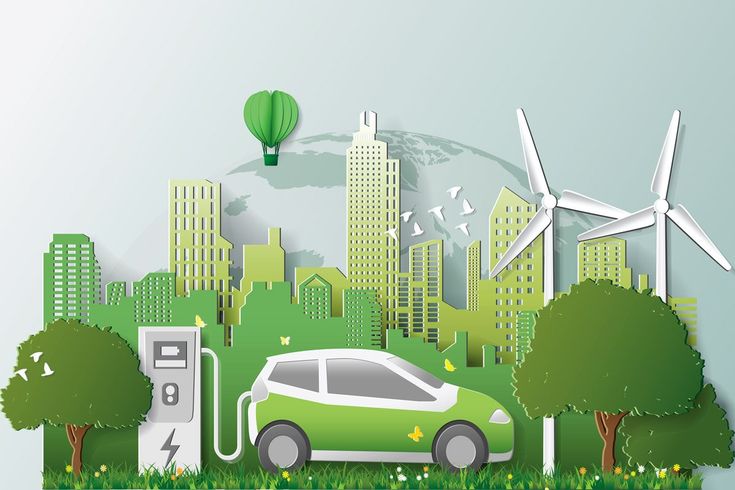
The automotive industry is undergoing a significant transformation as the world moves toward cleaner, more sustainable transportation. Hybrid and electric vehicles (EVs) are becoming increasingly popular alternatives to traditional petrol and diesel vehicles. With growing environmental concerns, rising fuel costs, and advancements in automotive technology, these vehicles are shaping the future of mobility.
Hybrid vehicles combine an internal combustion engine with an electric motor, while fully electric vehicles rely on electric power stored in rechargeable batteries. Both technologies offer unique advantages and play an important role in reducing dependence on fossil fuels.
In this blog, we will explore the benefits of hybrid and electric vehicles, the challenges they face, and the emerging trends that will shape the future of the automotive industry.
1. Understanding Hybrid and Electric Vehicles
Before exploring their future, it is important to understand the differences between hybrid and electric vehicles.
Hybrid Vehicles
Hybrid vehicles use both a conventional internal combustion engine and an electric motor. Depending on the type of hybrid, the battery may recharge through regenerative braking and the engine, or it may also be charged externally.
The main types of hybrid vehicles include:
- Mild Hybrid Vehicles: Use an electric motor to assist the engine but generally cannot drive on electric power alone.
- Full Hybrid Vehicles: Can operate using the engine, the electric motor, or both, depending on driving conditions.
- Plug-in Hybrid Electric Vehicles (PHEVs): Have larger batteries that can be charged externally and can travel a certain distance using electricity alone.
Hybrid vehicles can improve fuel efficiency while offering the convenience of a conventional engine for longer journeys.
Electric Vehicles
Electric vehicles use electric motors powered by rechargeable batteries instead of conventional petrol or diesel engines. Battery electric vehicles (BEVs) produce no tailpipe emissions and can be charged at home, workplaces, or public charging stations.
Electric vehicles are gaining popularity because of their energy efficiency, lower routine maintenance requirements, and potential to reduce transportation-related emissions.
2. Key Benefits of Hybrid and Electric Vehicles
Hybrid and electric vehicles offer several advantages for drivers, businesses, and the environment.
Reduced Environmental Impact
One of the biggest advantages of electric vehicles is that they produce no tailpipe emissions. This can help improve local air quality, particularly in crowded urban areas.
Hybrid vehicles can also reduce fuel consumption and tailpipe emissions compared with similar conventional vehicles, although the actual benefits depend on the vehicle type and driving conditions.
The overall environmental impact of both technologies also depends on factors such as electricity generation, fuel consumption, battery production, and vehicle manufacturing.
Lower Fuel and Energy Costs
Electric vehicles can cost less to operate because electricity is often cheaper per kilometre than petrol or diesel, depending on local energy prices and charging arrangements.
Hybrid vehicles can also reduce fuel expenses by combining electric assistance with an efficient combustion engine.
For drivers who travel frequently, comparing the purchase price, energy costs, maintenance expenses, and available incentives can help determine which option offers the best long-term value.
Improved Energy Efficiency
Electric motors convert a relatively high proportion of the energy they receive into movement. This makes electric vehicles more energy-efficient than conventional vehicles.
Hybrid vehicles improve efficiency by recovering some energy during braking and using electric assistance to reduce engine workload.
These technologies help reduce energy waste and support more efficient transportation systems.
Lower Routine Maintenance Requirements
Fully electric vehicles have fewer moving parts in their powertrains than conventional petrol or diesel vehicles. They generally do not require engine oil changes and may experience less brake wear because of regenerative braking.
Hybrid vehicles still require maintenance for their combustion engines, but regenerative braking and electric assistance can reduce wear on certain components.
However, maintenance costs vary by vehicle model, usage, battery condition, and local service availability.
3. Challenges Facing Hybrid and Electric Vehicles
Despite their advantages, hybrid and electric vehicles face several challenges that manufacturers, governments, and consumers must address.
High Initial Purchase Costs
Electric vehicles and some hybrid models can have higher upfront prices than comparable conventional vehicles. Battery technology, manufacturing costs, and vehicle features can influence the final price.
Although lower running costs may help offset the initial investment over time, affordability remains an important consideration for many buyers.
As battery production expands and technology improves, manufacturers may be able to introduce more affordable models across different vehicle categories.
Limited Charging Infrastructure
Charging infrastructure is essential for the widespread adoption of electric vehicles. Although public charging networks are expanding, charging availability remains uneven across cities, smaller towns, highways, and rural areas.
Drivers without access to private parking or home charging may find EV ownership more challenging.
Expanding reliable public charging stations, improving payment systems, and increasing access to fast charging will be important for supporting future EV adoption.
Charging Time and Driving Range
Charging an electric vehicle generally takes longer than refuelling a conventional vehicle. The time required depends on battery capacity, charger power, vehicle charging capability, and battery temperature.
Driving range can also vary depending on speed, weather, terrain, air-conditioning use, and driving habits.
Battery improvements and faster charging technologies are helping address these concerns. However, buyers should choose a vehicle based on their daily travel needs and access to charging facilities.
Battery Production and Recycling
Electric vehicle batteries require materials such as lithium, graphite, nickel, and other minerals, depending on the battery chemistry.
Mining and processing these materials can create environmental and social challenges. Battery production also requires energy and resources.
Battery recycling, improved manufacturing practices, alternative battery chemistries, and second-life battery applications can help reduce the environmental impact of battery-powered transportation.
Developing effective recycling systems will be increasingly important as the number of electric vehicles on the road grows.
4. Emerging Trends in Hybrid and Electric Vehicles
Technological innovation is creating new opportunities for hybrid and electric vehicles. Several emerging trends are expected to influence the automotive industry in the coming years.
Advancements in Battery Technology
Battery technology is one of the most important areas of development in electric mobility.
Manufacturers and researchers are working to improve battery energy density, charging speed, durability, safety, and affordability.
Lithium iron phosphate (LFP) batteries are already used in many electric vehicles because of their durability and cost advantages. Other technologies, including solid-state batteries, are being developed to potentially improve energy density and safety.
The pace of progress will depend on manufacturing costs, technical performance, material availability, and commercial scalability.
Expansion of Fast-Charging Networks
Fast-charging infrastructure is becoming increasingly important as electric vehicles gain popularity.
High-power chargers can reduce charging time for compatible vehicles, making long-distance travel more convenient. Charging networks are also expanding along highways and in commercial areas.
In the future, better charging coverage, improved reliability, and more convenient payment options could make electric vehicle ownership easier for a wider range of drivers.
Smart and Connected Vehicles
Modern hybrid and electric vehicles increasingly use connected technologies to improve performance, safety, and convenience.
Smart vehicle systems can monitor battery health, estimate driving range, recommend charging stops, and help drivers manage energy consumption.
Over-the-air software updates can also introduce improvements without requiring a traditional workshop visit for every software change.
As connected vehicle technology advances, intelligent energy management is likely to become an increasingly important feature.
Vehicle-to-Grid Technology
Vehicle-to-grid (V2G) technology allows compatible electric vehicles to send electricity from their batteries back to the power grid.
When properly implemented, V2G systems could help balance electricity demand, support renewable energy integration, and provide additional flexibility to the energy system.
However, widespread adoption requires compatible vehicles and chargers, appropriate electricity-market arrangements, and careful management of battery use.
Growth of Renewable Energy Integration
The environmental benefits of electric vehicles can increase when they are charged using electricity generated from renewable sources such as solar and wind power.
Home solar systems, workplace charging, smart charging schedules, and energy storage can help connect electric transportation with cleaner energy systems.
This integration could support a more sustainable transportation network while reducing dependence on fossil fuels.
5. The Future of Hybrid and Electric Vehicles in India
India is an important market for the development of cleaner transportation. Rising urbanisation, concerns about air pollution, fuel costs, and growing interest in domestic vehicle manufacturing are contributing to the transition toward electric mobility.
Electric two-wheelers, three-wheelers, passenger cars, buses, and commercial vehicles all have roles to play in this transformation.
Government Initiatives and Industry Development
Government policies and incentives can influence electric vehicle adoption by supporting manufacturing, charging infrastructure, research, and consumer affordability.
India has introduced various initiatives over time to promote electric mobility and domestic battery manufacturing. The availability and eligibility of specific incentives can change, so buyers should check current central and state government policies before making a purchase.
Automakers are also expanding their electric vehicle offerings and investing in battery technology, vehicle platforms, and charging solutions.
Electric Two-Wheelers and Three-Wheelers
Two-wheelers and three-wheelers are particularly important in India because they are widely used for daily commuting, deliveries, and commercial transportation.
Electric models can help reduce local emissions and operating costs, especially for vehicles that travel predictable routes and cover substantial daily distances.
However, charging access, battery durability, purchase price, and after-sales service remain important factors for buyers.
Hybrid Vehicles as an Alternative
Hybrid vehicles can be useful for drivers who want improved fuel efficiency but do not have convenient access to charging infrastructure.
They can offer an alternative to conventional vehicles while reducing fuel consumption under suitable driving conditions.
Plug-in hybrids may provide additional benefits when regularly charged and driven within their electric range. However, their actual fuel savings depend heavily on charging frequency and usage patterns.
6. Hybrid vs. Electric Vehicles: Which Is Better?
Choosing between a hybrid and an electric vehicle depends on driving habits, budget, charging access, and personal priorities.
Consider the following factors:
- Choose a hybrid vehicle if you frequently travel long distances, want improved fuel efficiency, or have limited access to charging facilities.
- Choose a fully electric vehicle if you have convenient charging access, mostly drive predictable routes, and want to eliminate tailpipe emissions.
- Consider a plug-in hybrid if you can charge regularly and want electric driving for shorter trips while retaining a combustion engine for longer journeys.
Before purchasing, compare the total cost of ownership, including the purchase price, fuel or electricity expenses, insurance, maintenance, battery warranty, and resale value.
There is no single solution that suits every driver. The best option is the one that meets your transportation needs while offering a practical balance of cost, convenience, and environmental performance.
7. What Does the Future Hold?
The future of hybrid and electric vehicles will be shaped by continued innovation, improved affordability, expanding charging networks, and changing consumer preferences.
Electric vehicles are expected to become increasingly important as battery technology improves and charging infrastructure develops. Hybrid vehicles will continue to serve drivers who value fuel efficiency but need the flexibility of a combustion engine.
Automakers are also exploring more efficient electric motors, advanced driver-assistance systems, lightweight materials, improved battery recycling, and software-based vehicle management.
At the same time, the transition will require investment in electricity infrastructure, responsible mineral sourcing, workforce training, and reliable after-sales services.
Rather than relying on a single technology, the automotive industry will likely use a combination of solutions to meet different transportation needs. The pace of adoption will vary by region, vehicle category, energy prices, and government policies.
Conclusion
Hybrid and electric vehicles are transforming the way people think about transportation. By improving energy efficiency and offering alternatives to conventional petrol and diesel vehicles, these technologies can help reduce fuel consumption and support cleaner mobility.


