
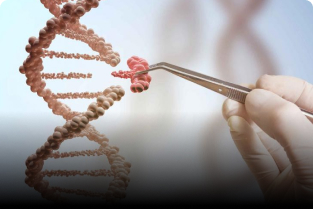
The rapid advancement of science and technology has revolutionized the healthcare industry, with genetic engineering and nanotechnology emerging as two of the most transformative fields. These innovative technologies are changing how diseases are diagnosed, treated, and prevented, offering hope for more effective and personalized healthcare solutions.
Genetic engineering enables scientists to modify genes to treat inherited disorders and improve medical therapies, while nanotechnology provides powerful tools for delivering drugs, detecting diseases, and repairing damaged tissues at the molecular level. Together, these technologies are paving the way for a new era of precision medicine that promises better patient outcomes and improved quality of life.
In this article, we’ll explore the impact of genetic engineering and nanotechnology on human health, their applications, benefits, challenges, and future potential.
What Is Genetic Engineering?
Genetic engineering is the process of altering an organism’s DNA to add, remove, or modify specific genes. Scientists use advanced techniques such as CRISPR-Cas9 to make precise genetic changes that can help prevent or treat diseases.
Applications of Genetic Engineering
- Gene therapy for inherited disorders
- Development of personalized medicine
- Production of insulin and other therapeutic proteins
- Cancer immunotherapy
- Vaccine development
- Stem cell and regenerative medicine
Genetic engineering has already transformed the treatment of many diseases and continues to drive breakthroughs in modern medicine.
What Is Nanotechnology?
Nanotechnology is the science of manipulating materials at the nanoscale, typically between 1 and 100 nanometers. Materials at this scale possess unique physical and chemical properties that make them highly useful in healthcare.
Medical Applications of Nanotechnology
- Targeted drug delivery
- Early disease detection
- Medical imaging enhancement
- Tissue engineering
- Artificial organs and implants
- Biosensors for real-time health monitoring
Nanotechnology allows doctors to diagnose diseases earlier and deliver treatments more accurately than traditional methods.
The Combination of Genetic Engineering and Nanotechnology
The integration of genetic engineering with nanotechnology has opened exciting possibilities in modern healthcare. Nanoparticles can safely transport DNA, RNA, and gene-editing tools directly into target cells, increasing treatment efficiency while reducing side effects.
This powerful combination supports:
- Precise gene editing
- Improved gene therapy delivery
- Personalized treatment strategies
- Enhanced drug effectiveness
- Reduced toxicity in medications
Together, these technologies are creating smarter and more effective medical treatments.
Benefits to Human Health
1. Personalized Medicine
Every individual has a unique genetic profile. Genetic engineering helps identify the most effective treatments based on a person’s DNA, while nanotechnology ensures medicines reach the exact location where they are needed.
Benefits include:
- Customized treatment plans
- Faster recovery
- Improved treatment success
- Reduced adverse side effects
2. Better Cancer Treatment
Cancer therapy has significantly improved with advances in these technologies.
Genetic engineering helps identify cancer-causing mutations, while nanotechnology delivers chemotherapy drugs directly to tumors, minimizing damage to healthy tissues.
Advantages include:
- Early cancer detection
- Targeted therapy
- Reduced chemotherapy side effects
- Higher survival rates
3. Gene Therapy
Gene therapy involves replacing or repairing defective genes responsible for inherited diseases.
Potential treatment areas include:
- Sickle cell disease
- Cystic fibrosis
- Hemophilia
- Muscular dystrophy
- Certain inherited eye diseases
Nanotechnology enhances the safe and efficient delivery of therapeutic genes.
4. Early Disease Diagnosis
Nanotechnology has enabled the development of highly sensitive biosensors capable of detecting diseases at very early stages.
Combined with genetic screening, doctors can diagnose conditions before symptoms appear.
Benefits include:
- Earlier intervention
- Better treatment success
- Higher survival rates
- Lower healthcare costs
5. Improved Vaccine Development
Modern vaccines increasingly rely on biotechnology and nanotechnology.
Nanoparticles improve vaccine stability and help stimulate stronger immune responses, while genetic engineering supports the rapid development of vaccines against emerging infectious diseases.
6. Regenerative Medicine
Scientists are using genetic engineering and nanotechnology to repair damaged tissues and regenerate organs.
Applications include:
- Stem cell therapy
- Artificial skin
- Bone regeneration
- Nerve repair
- Organ engineering
These innovations may significantly reduce the need for organ transplants in the future.
Advantages of Genetic Engineering and Nanotechnology
Some of the major benefits include:
- Precise and targeted treatments
- Faster disease diagnosis
- Improved drug delivery
- Reduced medication side effects
- Better management of chronic illnesses
- Personalized healthcare
- Increased treatment success rates
- Improved patient quality of life
- Potential cures for genetic diseases
Challenges and Ethical Concerns
Despite their enormous potential, several challenges remain.
Ethical Issues
- Human gene editing and designer babies
- Privacy of genetic information
- Equal access to advanced healthcare
- Responsible use of biotechnology
Safety Concerns
Researchers continue to study:
- Long-term effects of gene editing
- Nanoparticle toxicity
- Immune system reactions
- Environmental impacts
Regulatory Challenges
Governments and healthcare organizations must establish regulations to ensure:
- Patient safety
- Ethical clinical research
- Effective medical treatments
- Responsible commercialization
Future of Genetic Engineering and Nanotechnology
The future of healthcare will be shaped by continued innovation in these fields.
Emerging technologies include:
- AI-assisted gene editing
- Personalized cancer vaccines
- Smart nanorobots for targeted therapy
- Precision drug delivery systems
- Wearable nanosensors
- Advanced regenerative medicine
- Next-generation gene therapies
These innovations have the potential to significantly increase life expectancy while reducing the burden of chronic diseases.
Career Opportunities
As these fields continue to expand, demand for skilled professionals is growing rapidly.
Career options include:
- Genetic Engineer
- Nanotechnology Scientist
- Biomedical Engineer
- Molecular Biologist
- Biotechnologist
- Pharmaceutical Research Scientist
- Clinical Research Associate
- Bioinformatics Specialist
- Medical Device Engineer
- Regulatory Affairs Professional
Conclusion
Genetic engineering and nanotechnology are transforming modern healthcare by enabling more accurate diagnoses, personalized treatments, and innovative therapies. Their combined applications are improving outcomes for patients with cancer, inherited disorders, infectious diseases, and many other health conditions.


