
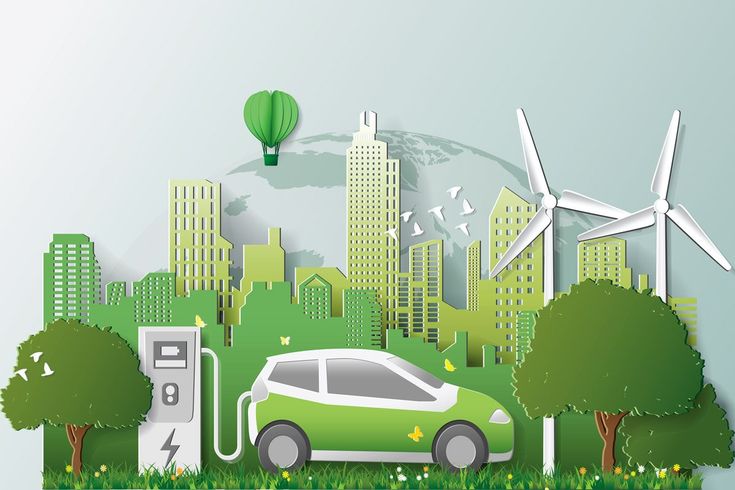
The automotive industry is undergoing a major transformation as hybrid and electric vehicles become increasingly popular. With growing concerns about environmental pollution, fuel consumption, and climate change, energy efficiency has become one of the most important factors in modern vehicle development. Hybrid and electric vehicles are designed to use energy more effectively, reduce dependence on fossil fuels, and support sustainable transportation.
Energy efficiency not only helps reduce operating costs but also improves vehicle performance, extends driving range, and minimizes environmental impact. Understanding its importance provides valuable insight into the future of automotive engineering and sustainable mobility.
1. What Is Energy Efficiency in Hybrid and Electric Vehicles?
Energy efficiency refers to how effectively a vehicle converts stored energy into motion while minimizing energy losses. In conventional vehicles, much of the energy generated by burning fuel is lost as heat. Hybrid and electric vehicles use advanced technologies to reduce these losses and improve overall efficiency.
Electric vehicles (EVs) use electric motors powered by rechargeable batteries, while hybrid vehicles combine an internal combustion engine with an electric motor. Both technologies are designed to optimize energy consumption and deliver better performance.
2. Reducing Fuel Consumption and Energy Costs
One of the biggest advantages of energy-efficient hybrid and electric vehicles is their ability to reduce energy consumption.
Hybrid vehicles switch between electric power and fuel depending on driving conditions, helping reduce petrol or diesel consumption. Electric vehicles eliminate the need for conventional fuel and generally have lower energy costs per kilometre.
Improved energy efficiency allows vehicle owners to save money on daily transportation while reducing their dependence on traditional fuel sources.
3. Improving Driving Range and Vehicle Performance
Energy efficiency plays a significant role in determining how far an electric vehicle can travel on a single charge.
Modern EV manufacturers focus on improving battery technology, electric motor efficiency, and vehicle aerodynamics to increase driving range. Efficient energy management systems also help distribute power effectively.
In hybrid vehicles, intelligent power management ensures that the electric motor and combustion engine work together to deliver smooth acceleration and improved fuel economy.
4. The Role of Regenerative Braking Technology
Regenerative braking is an important innovation that improves energy efficiency in hybrid and electric vehicles.
Traditional braking systems convert kinetic energy into heat, which is mostly wasted. Regenerative braking captures some of this energy during deceleration and converts it into electrical energy.
This electricity is then stored in the vehicle’s battery for future use. The technology helps improve driving efficiency, extend battery range, and reduce energy wastage, particularly in stop-and-go traffic.
5. Reducing Environmental Impact
Energy-efficient hybrid and electric vehicles can contribute to reducing greenhouse gas emissions and air pollution.
Electric vehicles produce no tailpipe emissions, while hybrid vehicles generally consume less fuel than comparable conventional vehicles. However, their overall environmental impact also depends on electricity generation, battery manufacturing, and vehicle production.
When powered by renewable energy sources such as solar and wind, electric vehicles can offer even greater environmental benefits.
6. The Importance of Battery Management Systems
Battery management systems (BMS) are essential for maintaining energy efficiency in electric and hybrid vehicles.
A BMS monitors important battery parameters, including temperature, voltage, and charging conditions. It helps prevent overcharging, overheating, and excessive battery discharge.
An efficient battery management system improves battery performance, supports longer battery life, and ensures reliable energy delivery to the electric motor.
7. Advanced Technologies Improving Energy Efficiency
Automotive manufacturers are continuously developing technologies to improve energy efficiency and vehicle performance.
Some important innovations include:
- Lightweight Materials: Reduce vehicle weight and lower the energy required for movement.
- Aerodynamic Design: Minimizes air resistance and improves energy consumption, especially at higher speeds.
- Advanced Electric Motors: Convert electrical energy into mechanical power more efficiently.
- Smart Energy Management: Optimizes the distribution of power between different vehicle systems.
- Improved Battery Technology: Enhances energy storage capacity, charging performance, and driving range.
These innovations are helping manufacturers develop more efficient, reliable, and environmentally responsible vehicles.
8. Challenges in Achieving Higher Energy Efficiency
Despite technological advancements, hybrid and electric vehicles still face several challenges.
Battery production costs, charging infrastructure limitations, battery degradation, and the availability of critical raw materials can affect vehicle efficiency and affordability.
Extreme temperatures, high-speed driving, vehicle weight, and excessive use of air conditioning can also influence energy consumption.
Addressing these challenges through research, improved battery chemistry, advanced engineering, and better charging infrastructure will be essential for the future of sustainable transportation.
9. The Future of Energy-Efficient Hybrid and Electric Vehicles
The future of hybrid and electric vehicles will depend heavily on improvements in energy efficiency. Innovations in solid-state batteries, artificial intelligence, smart charging systems, and lightweight vehicle materials are expected to improve automotive performance.
Vehicle manufacturers are also exploring vehicle-to-grid technology, which allows compatible electric vehicles to send stored electricity back to the power grid when needed.
As technology advances and renewable energy becomes more accessible, energy-efficient vehicles will play an increasingly important role in creating cleaner and more sustainable transportation systems.
Conclusion
Energy efficiency is a fundamental part of hybrid and electric vehicle development. It helps reduce energy consumption, lower operating costs, improve driving range, and minimize environmental impact.


