
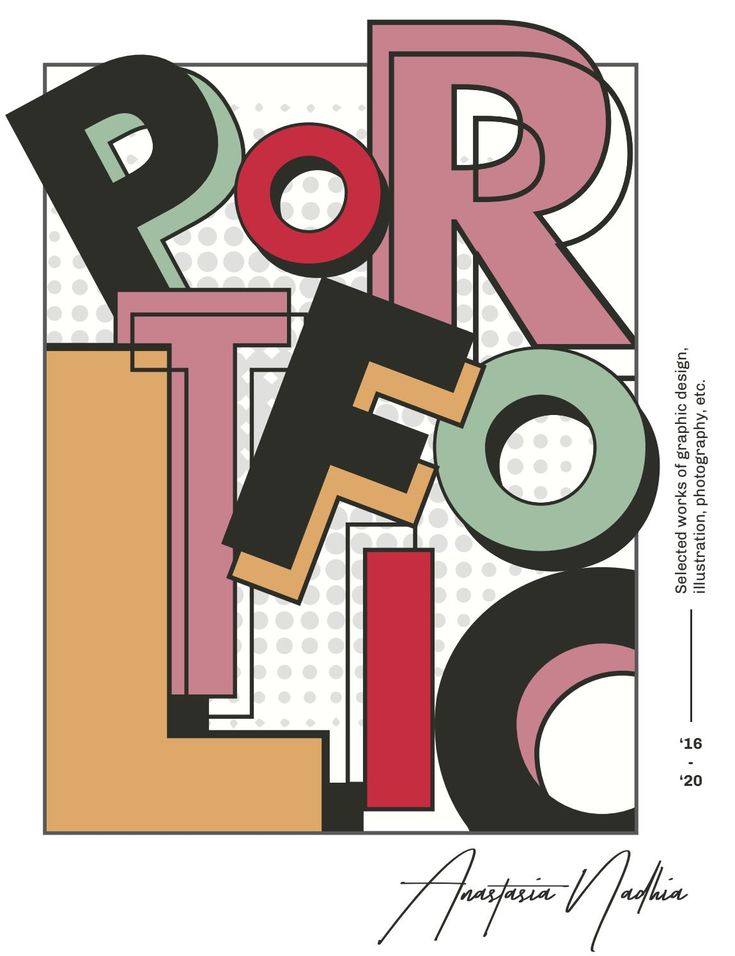
Graphic design is more than creating attractive images, choosing colors, or arranging text. It is a powerful form of communication that helps businesses, brands, and individuals share ideas through visuals. One of the most effective techniques used in modern graphic design is visual storytelling. It combines images, typography, colors, illustrations, and other visual elements to communicate messages in an engaging and memorable way.
Visual storytelling helps designers connect with audiences emotionally, simplify complex information, and create meaningful experiences. Whether it is a brand logo, social media post, advertisement, website, or product packaging, storytelling makes graphic design more impactful.
What Is Visual Storytelling in Graphic Design?
Visual storytelling is the process of communicating a message, idea, or experience through visual elements rather than relying entirely on written content. It uses design components such as photographs, illustrations, symbols, colors, layouts, and typography to guide viewers through a story.
For example, a company promoting eco-friendly products might use green colors, nature-inspired illustrations, and images of sustainable materials. These elements communicate the brand’s environmental values without requiring lengthy explanations.
The goal of visual storytelling is to make information easier to understand while creating a strong connection between the design and its audience.
Why Is Visual Storytelling Important in Graphic Design?
1. Creates an Emotional Connection
One of the biggest advantages of visual storytelling is its ability to create emotional connections with audiences. People often respond more strongly to visuals that reflect their experiences, interests, and emotions.
Graphic designers use photographs, colors, illustrations, and visual compositions to communicate feelings such as happiness, trust, excitement, or inspiration. These emotional connections can help brands build stronger relationships with customers.
2. Makes Brand Identity More Memorable
A strong brand identity requires more than a recognizable logo. It needs a consistent visual language that communicates the brand’s personality, values, and purpose.
Visual storytelling helps businesses create recognizable brand identities through consistent colors, typography, imagery, and design styles. When these elements work together, audiences can understand what a brand represents and remember it more easily.
3. Simplifies Complex Information
Sometimes, businesses need to communicate complicated information that may be difficult for audiences to understand through text alone.
Visual storytelling makes complex ideas easier to understand by using infographics, diagrams, illustrations, charts, and icons. These elements organize information into clear and meaningful visual presentations.
For example, an infographic explaining a business process can help readers understand important steps more quickly than a lengthy written explanation.
4. Improves Audience Engagement
Attractive and meaningful visuals can capture attention and encourage people to interact with content. This is particularly important in digital marketing, where audiences are exposed to large amounts of information every day.
Social media graphics, promotional banners, animated illustrations, and visual advertisements can make content more engaging. By combining creativity with storytelling, graphic designers can encourage audiences to explore, share, and respond to visual content.
5. Strengthens Marketing and Advertising Campaigns
Visual storytelling plays an important role in successful marketing and advertising campaigns. Businesses use creative graphics to communicate product benefits, highlight brand values, and influence customer decisions.
A well-designed advertisement can communicate a complete message through a single image. By combining meaningful visuals with clear messaging, designers help brands create campaigns that attract attention and remain memorable.
Key Elements of Effective Visual Storytelling
To create successful visual stories, graphic designers should understand how different design elements work together.
1. Colors: Colors communicate emotions and influence how audiences perceive a design. For example, blue often represents trust and professionalism, while yellow can communicate energy and optimism.
2. Typography: Fonts help establish the personality and tone of a visual message. Appropriate typography improves readability and creates a clear information hierarchy.
3. Images and Illustrations: Photographs and illustrations help communicate ideas, represent emotions, and make visual content more interesting.
4. Composition and Layout: The arrangement of visual elements guides the viewer’s attention and helps communicate information in a logical sequence.
5. Visual Hierarchy: Size, contrast, spacing, and placement help designers highlight important information and ensure that viewers understand the main message.
How Graphic Designers Can Improve Their Visual Storytelling Skills
Developing strong visual storytelling skills requires creativity, observation, and regular practice. Here are some useful ways designers can improve their abilities:
- Understand the Target Audience: Learn about the audience’s interests, expectations, and preferences before creating a design.
- Develop a Clear Message: Identify the main idea or story that the design needs to communicate.
- Use Colors Strategically: Select color combinations that support the message and create the desired emotional response.
- Experiment with Typography: Explore different font styles, sizes, and combinations to improve communication.
- Study Successful Designs: Analyze advertisements, brand identities, posters, and social media campaigns to understand how visual storytelling works.
- Practice Visual Creativity: Create personal design projects, illustrations, infographics, and promotional materials to develop your skills.
The Future of Visual Storytelling in Graphic Design
The future of visual storytelling is closely connected to emerging technologies and changing digital experiences. Artificial intelligence, augmented reality, virtual reality, motion graphics, and interactive design are creating new opportunities for designers to communicate stories.
AI-powered design tools can help designers generate creative ideas, explore visual concepts, and improve their workflows. Meanwhile, motion graphics and interactive visuals allow audiences to engage with stories in more dynamic ways.
As digital platforms continue to evolve, graphic designers will need to combine creativity, technical knowledge, and storytelling skills to create meaningful visual experiences.
Conclusion
Visual storytelling is an essential part of modern graphic design because it transforms ordinary visuals into meaningful communication. It helps brands build emotional connections, communicate complex ideas, improve audience engagement, and create memorable identities.


