
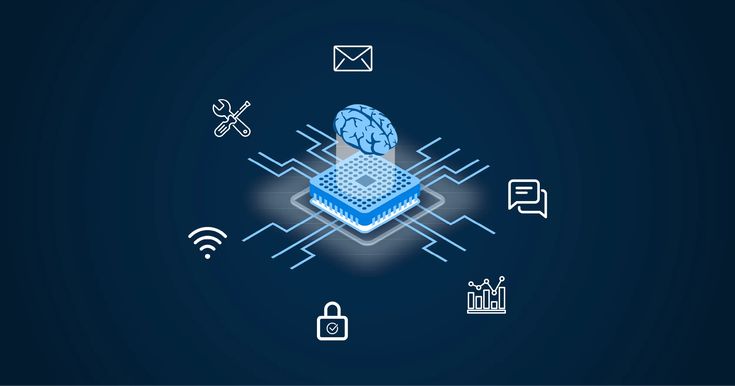
In today’s technology-driven world, smart devices have become an essential part of daily life. From smartphones and smartwatches to connected vehicles and industrial automation systems, these innovations rely heavily on embedded systems to function efficiently. Embedded systems serve as the hidden intelligence behind modern devices, enabling them to process data, communicate with other systems, and perform specific tasks with speed and precision.
As the Internet of Things (IoT) continues to expand, embedded systems play an increasingly important role in creating connected solutions that improve convenience, productivity, and decision-making. Their integration into various technologies is shaping the future of industries and transforming how people interact with the digital world.
What Are Embedded Systems?
An embedded system is a specialized computer system designed to perform a dedicated function within a larger device or machine. Unlike general-purpose computers, embedded systems are optimized for specific tasks and are typically integrated into hardware products.
A typical embedded system consists of:
- Microcontrollers or microprocessors
- Memory components
- Input and output interfaces
- Sensors and actuators
- Embedded software or firmware
These components work together to execute predefined operations efficiently and reliably.
Why Embedded Systems Are Important
Embedded systems provide the intelligence needed for devices to operate autonomously and respond to real-world conditions. Their importance stems from several key characteristics:
Efficiency
Embedded systems are designed to perform specific functions with minimal resource consumption, making them highly efficient.
Reliability
Many embedded applications operate continuously and require dependable performance under various conditions.
Real-Time Processing
Embedded systems can process data and respond instantly, which is essential in applications such as medical devices and automotive safety systems.
Compact Design
Their small size allows them to be integrated into a wide range of products without increasing complexity or weight.
Embedded Systems in Smart Devices
Smart devices depend on embedded systems to deliver advanced functionality and user-friendly experiences.
Smartphones
Embedded processors manage communication, multimedia functions, sensors, power management, and application execution.
Smartwatches and Wearables
Wearable devices use embedded systems to monitor health metrics, track activity, process notifications, and connect with smartphones.
Smart Home Devices
Products such as smart thermostats, smart lighting systems, and voice assistants rely on embedded systems to automate household tasks and respond to user commands.
Smart TVs
Embedded technology enables internet connectivity, streaming services, voice control, and personalized content recommendations.
Embedded Systems and the Internet of Things (IoT)
The growth of IoT has significantly increased the demand for advanced embedded systems. IoT devices use embedded controllers and sensors to collect, process, and transmit data across networks.
Examples of IoT applications include:
- Smart homes
- Connected healthcare devices
- Industrial monitoring systems
- Smart agriculture solutions
- Intelligent transportation systems
Embedded systems serve as the foundation that allows these devices to communicate and operate efficiently within connected ecosystems.
Applications Across Industries
Healthcare
Embedded systems are widely used in medical equipment such as:
- Patient monitoring systems
- Wearable health trackers
- Insulin pumps
- Imaging devices
- Smart diagnostic tools
These technologies improve patient care through accurate monitoring and real-time data analysis.
Automotive Industry
Modern vehicles contain numerous embedded systems responsible for:
- Engine management
- Anti-lock braking systems (ABS)
- Airbag deployment
- Navigation systems
- Autonomous driving technologies
These systems enhance safety, efficiency, and driving comfort.
Industrial Automation
Factories use embedded systems in robotics, manufacturing equipment, and control systems to improve productivity and reduce operational costs.
Consumer Electronics
Embedded technology powers devices such as gaming consoles, cameras, printers, smart speakers, and home entertainment systems.
Agriculture
Smart farming equipment uses embedded systems to monitor soil conditions, automate irrigation, and optimize crop management.
Key Benefits of Embedded Systems
Improved Automation
Embedded systems automate repetitive tasks, reducing human intervention and improving operational efficiency.
Enhanced Connectivity
Modern embedded devices can connect to networks, cloud platforms, and other devices for seamless communication.
Energy Efficiency
Optimized hardware and software design help reduce power consumption, making devices more sustainable.
Better Performance
Dedicated functionality allows embedded systems to deliver faster and more reliable performance.
Cost Effectiveness
Mass production and specialized design help reduce overall development and operational costs.
Emerging Trends in Embedded Systems
Artificial Intelligence Integration
AI-powered embedded systems can analyze data, recognize patterns, and make intelligent decisions locally without relying entirely on cloud computing.
Edge Computing
Processing data closer to the source reduces latency and improves response times for connected devices.
5G Connectivity
The adoption of 5G networks enables faster communication between embedded devices and connected systems.
Advanced Security Features
As cyber threats increase, embedded systems are incorporating stronger encryption, authentication, and cybersecurity measures.
Low-Power Design
Manufacturers are focusing on energy-efficient technologies to support battery-powered and environmentally sustainable devices.
Challenges Facing Embedded Systems
Despite their advantages, embedded systems also face several challenges:
Security Vulnerabilities
Connected devices can become targets for cyberattacks if proper security measures are not implemented.
Increasing Complexity
Modern embedded applications require sophisticated hardware and software integration.
Hardware Limitations
Limited processing power and memory can restrict functionality in some applications.
Development Costs
Designing highly specialized embedded solutions often requires significant investment and expertise.
The Future of Embedded Systems
The future of embedded systems is closely linked to advancements in IoT, artificial intelligence, robotics, and cloud computing. As devices become smarter and more interconnected, embedded systems will continue to evolve, providing greater processing power, enhanced security, and improved communication capabilities.
From autonomous vehicles and smart cities to advanced healthcare solutions and industrial automation, embedded systems will remain at the core of technological innovation. Their ability to enable intelligent, connected, and efficient devices will drive the next generation of digital transformation.
Conclusion
Embedded systems are the backbone of smart devices and connected solutions. They provide the processing power, control, and communication capabilities necessary for modern technologies to operate effectively. Whether in healthcare, automotive systems, industrial automation, or consumer electronics, embedded systems play a critical role in enabling innovation and improving everyday life.


