
Fashion design is often imagined as a glamorous career filled with runway shows, stylish outfits, and creative freedom. But behind every stunning garment is a designer who spends hours sketching, planning, researching, and perfecting their craft.
Being a fashion designer involves a unique blend of creativity, technical skills, business understanding, and a deep passion for style. Whether you’re aspiring to enter the fashion world or simply curious about the profession, this blog will break down everything that goes into being a fashion designer.
1. Creativity and Concept Development
At the heart of fashion design is creativity. Designers must constantly brainstorm new ideas, themes, and concepts for collections. This includes:
- Creating mood boards
- Exploring color palettes
- Experimenting with textures and silhouettes
- Finding inspiration from culture, art, nature, or everyday life
Concept development sets the tone for an entire collection.
2. Trend Research and Market Study
Fashion designers must stay updated with the latest trends, consumer preferences, and industry shifts. This involves:
- Studying runway shows and designer collections
- Reviewing fashion magazines and online platforms
- Analyzing market demands
- Understanding seasonal styles
Trend research helps designers create pieces that are both innovative and relevant.
3. Sketching and Designing Garments
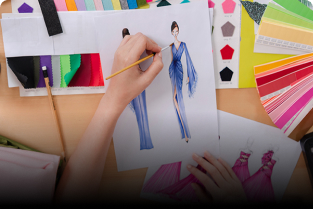
Sketching is a core part of a fashion designer’s job. Whether digital or hand-drawn, illustrations help visualize ideas before production. Designers create:
- Rough sketches
- Detailed fashion illustrations
- Technical flats
These sketches act as the blueprint for garment creation.
4. Fabric Selection and Material Knowledge
Choosing the right fabric can make or break a design. Fashion designers must understand:
- Types of fabrics (cotton, silk, denim, wool, etc.)
- Properties like drape, stretch, and durability
- How fabrics behave when sewn
- Sustainable and eco-friendly material options
Fabric selection ensures that the final garment looks good and feels comfortable.
5. Pattern Making and Garment Construction
Fashion designers work closely with pattern makers and tailors to bring sketches to life. This stage includes:
- Developing precise patterns
- Cutting fabric
- Sewing prototypes
- Making revisions for fit and design accuracy
Understanding garment construction helps designers create pieces that are well-fitted and functional.
6. Fittings and Adjustments
Once the garment is created, designers oversee fittings on models or mannequins. They analyze:
- Fit and comfort
- Proportions
- Balance and symmetry
- Movement and draping
Multiple rounds of adjustments may be needed before finalizing the design.
7. Building a Personal or Brand Identity
Fashion designers must develop a distinct style that sets them apart. This includes:
- Defining a signature look
- Crafting a recognizable design philosophy
- Creating cohesive collections
- Maintaining consistent branding across all platforms
A strong identity helps designers stand out in the competitive fashion industry.
8. Collaboration and Communication
Fashion design is not a solo journey. Designers collaborate with:
- Pattern makers
- Tailors and seamstresses
- Textile manufacturers
- Photographers
- Stylists
- Marketing teams
Effective communication ensures that the designer’s vision is executed perfectly.
9. Business and Marketing Skills
Fashion designers must also understand the business side of the industry:
- Pricing garments
- Managing production costs
- Understanding supply chains
- Marketing through social media
- Participating in exhibitions and runway shows
These skills are essential for building a successful fashion brand.
10. Constant Learning and Adaptation
Fashion is constantly evolving. Successful designers stay adaptable by:
- Experimenting with new techniques
- Learning new software and digital tools
- Keeping up with sustainability movements
- Embracing innovative technologies like 3D printing and AI-driven design
Continuous growth keeps a designer relevant and ahead of the trends.
Conclusion
Being a fashion designer is much more than sketching beautiful outfits. It involves creativity, technical expertise, research, communication, and a strong understanding of the fashion business. Designers transform ideas into wearable art, influencing global style and culture.


