
Robotics engineering is one of the fastest-growing and most exciting career fields today. As industries move toward automation, intelligent machines, and advanced manufacturing, the demand for skilled robotics engineers continues to rise.
But where exactly can a robotics engineer work?
The answer is: almost everywhere. From manufacturing to healthcare and even space exploration, robotics engineers play a crucial role in building the future.
Here’s a detailed look at the industries, job roles, and workplaces where robotics engineers are needed.
1. Manufacturing and Industrial Automation
Manufacturing is the largest employer of robotics engineers worldwide.
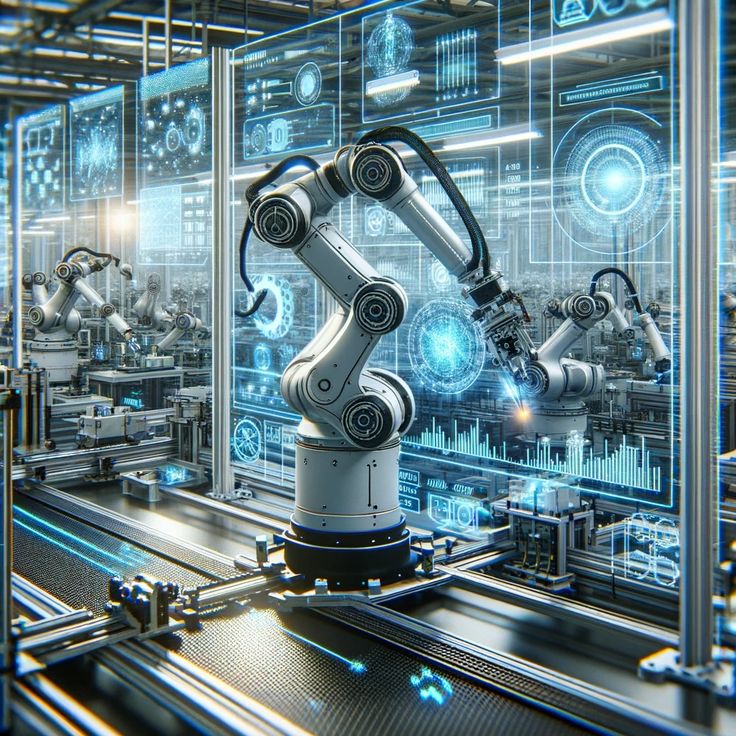
Here, engineers design, build, and maintain robots that perform tasks like welding, painting, assembling, packaging, and inspection.
Job Areas Include:
Automation engineer
Industrial robot programmer
Robotics maintenance specialist
Process optimization engineer
Companies Hiring:
Tesla
BMW
Toyota
FANUC
ABB Robotics
2. Automotive Industry
The automotive sector uses robots at almost every stage of production—from assembling engines to installing windshields.
Robotics engineers here work on:
Autonomous vehicles
Driver-assistance systems
Manufacturing robots
Automotive testing systems
Employers:
Ford
General Motors
Mercedes-Benz
Hyundai
3. Aerospace and Defense
Robotics is essential in designing drones, robotic aircraft, satellite systems, and defense automation.
Key Roles:
Drone engineer
Autonomous systems engineer
Robotics research scientist
Space robotics engineer
Major Employers:
ISRO
NASA
DRDO
Boeing
Lockheed Martin
4. Healthcare and Medical Robotics
The medical sector is rapidly adopting robotics for surgical precision, rehabilitation, diagnostics, and hospital automation.
Common Robotics Applications:
Surgical robots (e.g., Da Vinci Surgical System)
Robotic prosthetics
Rehabilitation robots
Hospital delivery robots
Workplaces:
Hospitals and clinics
Medical device companies
Research labs
5. Consumer Electronics and Smart Devices
Robotics engineers contribute to smart home devices, robots for daily tasks, and personal assistants.
Examples:
Cleaning robots (Roomba)
Household assistants
Educational robots
Employers:
iRobot
Samsung
Amazon Robotics
6. Logistics and Warehousing
Automation has transformed warehouses, where robots handle sorting, picking, packaging, and deliveries.
Roles Include:
Warehouse automation engineer
Mobile robot navigation specialist
Robotics technician
Companies Using Robotics:
Amazon
Flipkart
Walmart
FedEx
7. Agriculture (AgriTech)
Agriculture is becoming smarter with robots for planting, harvesting, irrigation, and livestock monitoring.
Popular Applications:
Autonomous tractors
Harvesting robots
Soil monitoring bots
Drone-based crop analysis
AgriTech startups are especially hiring robotics engineers.
8. Research and Development (R&D)
Universities, research labs, and tech companies employ robotics engineers for cutting-edge innovation.
Focus Areas:
Artificial intelligence in robotics
Human–robot interaction
Swarm robotics
Humanoid robots
Robotics for space and deep-sea exploration
Employers Include:
MIT Robotics Lab
IIT Robotics Labs
Google DeepMind
OpenAI
9. Education and Training
Robotics engineers also work as educators or mentors, training the next generation of innovators.
Roles:
Robotics instructor
Lab engineer
Curriculum developer
Technical trainer
10. Startups and Entrepreneurship
Robotics is a booming startup sector. Many engineers start their own companies in areas such as:
Drone services
Home automation
Industrial automation
Robot toy manufacturing
Medical robotics
The startup ecosystem offers immense opportunities for innovation and growth.
Conclusion
A robotics engineer can work in a wide range of industries: manufacturing, automotive, aerospace, defense, healthcare, agriculture, logistics, research, education, and even startups.


