
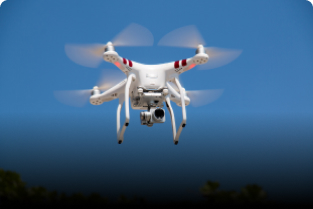
Drones have evolved from simple flying gadgets into powerful tools that are transforming industries across the world. From aerial photography and delivery systems to precision agriculture and defense applications, drones are now at the center of technological innovation. This rapid rise has created massive demand for skilled drone engineers—professionals who design, build, program, and maintain unmanned aerial vehicles (UAVs).
If you’re curious about what drone engineering is, what skills you need, and the career opportunities it offers, this guide breaks everything down in a simple and clear way.
What Is Drone Engineering?
Drone engineering focuses on designing, developing, and operating unmanned aerial vehicles (UAVs). It combines elements of robotics, electronics, aerodynamics, computer science, and mechanical engineering.
Drone engineers work on:
- Building and assembling drone hardware
- Designing flight systems and controllers
- Programming navigation & automation
- Integrating sensors, cameras, and communication systems
- Testing performance and reliability
- Maintaining and repairing UAVs
The field is expanding rapidly as drones become more advanced and widely used.
Essential Skills Required to Become a Drone Engineer
1. Mechanical Engineering Skills
Understanding structure, aerodynamics, and propulsion is crucial. Engineers design frames, motors, gears, and mechanical components that help drones fly smoothly.
2. Electronics and Circuit Design
Drones rely heavily on electronic systems. A drone engineer must know:
- PCB design
- Sensors and microcontrollers
- Power distribution
- Communication modules
3. Programming and Software Development
Modern drones are intelligent systems. Key programming skills include:
- Python, C/C++
- Embedded systems programming
- Flight control algorithms
- Navigation, GPS, and automation software
4. Aerodynamics and Flight Mechanics
Understanding how drones lift, hover, and maneuver is essential for creating stable UAVs.
5. Problem-Solving and Analytical Skills
Drone engineers must troubleshoot hardware, software, and environmental challenges to ensure safe flight.
6. Knowledge of Regulations and Safety
Engineers must follow drone regulations laid out by aviation authorities to ensure safe and legal operations.
Scope of Drone Engineering in Today’s World
Drone engineering has become one of the fastest-growing tech fields. Its applications span across dozens of industries:
1. Defense and Surveillance
Drones are widely used for reconnaissance, border monitoring, and tactical missions.
2. Agriculture
Farmers rely on drones for:
- Crop monitoring
- Soil analysis
- Pesticide spraying
- Precision farming
This boosts yield and reduces resource waste.
3. Logistics and Delivery
Companies are testing UAVs for delivering medicine, groceries, and packages efficiently—especially in remote areas.
4. Filmmaking and Photography
Aerial cinematography is now a standard in film production, real estate marketing, and tourism.
5. Construction and Infrastructure
Drones help in:
- Land surveying
- Mapping
- Inspecting bridges, towers, and pipelines
- Monitoring project progress
6. Disaster Management
During floods, fires, and earthquakes, drones provide real-time visuals and deliver critical supplies.
7. Environmental Research
Used for wildlife monitoring, forest mapping, and climate studies.
As industries adopt automation and smart technologies, drones will play an even bigger role in efficiency, safety, and data collection.
Career Opportunities in Drone Engineering
The demand for drone experts is skyrocketing. Here are some top career paths:
1. Drone Design Engineer
Builds and designs UAV hardware and systems.
2. UAV Software Developer
Works on flight control systems, automation, and sensor integration.
3. Drone Test Pilot
Tests drone performance, safety, and flight features.
4. Drone Technician
Handles drone repair, maintenance, and upgrades.
5. R&D Engineer (Aerospace/Robotics)
Develops next-gen drone innovations and technologies.
6. GIS & Mapping Specialist
Uses drones for surveys, mapping, and modeling.
7. Drone Operations Manager
Manages drone fleets for companies in logistics, agriculture, or construction.
8. Freelance Aerial Photographer/Videographer
Provides drone-based creative services to businesses and industries.
Salary Potential
Drone engineers earn competitive salaries based on skills and experience.
- Entry-level roles: Great for fresh graduates or beginners
- Mid-level engineers: Earn higher as they specialize in hardware/software
- Senior engineers: Lead operations, R&D, and innovation teams
With drone usage increasing worldwide, salaries are expected to rise significantly.
Conclusion
Drone engineering is one of the most exciting and fast-growing career fields today. Whether you’re passionate about robotics, coding, electronics, or aviation, this domain offers endless opportunities. With the right skills and training, you can build a rewarding career contributing to the future of aerial technology.


