
Graphic design is one of the most dynamic and rewarding career paths in today’s digital world. Every business, from startups to multinational corporations, relies on visual communication to connect with customers, build brand recognition, and market products effectively. As technology continues to evolve, the demand for skilled graphic designers has expanded across industries such as advertising, digital marketing, publishing, entertainment, healthcare, education, and e-commerce.
Whether you’re a student exploring creative careers or a professional looking to transition into design, graphic design offers countless opportunities for growth. With the right combination of creativity, technical expertise, and problem-solving skills, you can build a successful career in this ever-changing industry.
What Is Graphic Design?
Graphic design is the art of combining visual elements such as typography, colors, illustrations, images, and layouts to communicate ideas and messages effectively. Designers create visuals that inform, inspire, and persuade audiences across both digital and print platforms.
Graphic designers work on projects including:
- Brand logos and identity systems
- Social media graphics
- Website layouts
- Mobile app interfaces
- Marketing brochures
- Product packaging
- Infographics
- Advertisements
- Business presentations
- Motion graphics
Every design aims to solve a communication problem while creating an engaging visual experience.
Essential Skills Every Graphic Designer Needs
Success in graphic design requires more than artistic talent. Employers and clients look for professionals with a balanced mix of creative, technical, and interpersonal skills.
1. Creativity
Creative thinking allows designers to develop unique concepts and innovative visual solutions that capture attention and communicate messages effectively.
2. Typography
Understanding fonts, spacing, hierarchy, and readability is essential for creating professional and visually appealing designs.
3. Color Theory
Designers should know how colors influence emotions, branding, and user behavior to create impactful visual experiences.
4. Layout and Composition
Strong knowledge of balance, alignment, white space, grids, and visual hierarchy helps organize content clearly and attractively.
5. Design Software
Professional designers commonly use tools such as:
- Adobe Photoshop
- Adobe Illustrator
- Adobe InDesign
- Figma
- Canva
- Adobe XD
- CorelDRAW
Learning multiple tools increases versatility and employability.
6. Communication Skills
Graphic designers collaborate with clients, marketing teams, developers, and project managers. Clear communication helps translate ideas into successful visual designs.
7. Time Management
Managing multiple deadlines while maintaining quality is a critical skill for freelance and full-time designers alike.
8. Problem-Solving
Design is about solving business and communication challenges through creative visual solutions rather than simply making things look attractive.
Educational Pathways
There are several ways to start a graphic design career.
Degree Programs
Many professionals earn degrees in:
- Graphic Design
- Visual Communication
- Fine Arts
- Multimedia Design
- Digital Media
Online Courses
Online learning platforms offer flexible courses covering:
- Logo design
- Branding
- User Interface (UI)
- User Experience (UX)
- Motion graphics
- Typography
- Adobe Creative Suite
Self-Learning
Many successful designers are self-taught through online tutorials, design books, practice projects, and portfolio development.
Career Opportunities in Graphic Design
Graphic designers can specialize in numerous industries and creative fields.
Branding Designer
Develops logos, brand identities, style guides, and marketing materials that establish a company’s visual identity.
UI Designer
Creates user-friendly interfaces for websites, software applications, and mobile apps.
UX Designer
Focuses on improving the overall user experience through research, wireframing, prototyping, and usability testing.
Motion Graphics Designer
Designs animated graphics, videos, and visual effects used in advertising, entertainment, and digital media.
Packaging Designer
Creates attractive product packaging that enhances shelf appeal while communicating brand values.
Advertising Designer
Designs promotional campaigns for digital platforms, print media, television, and outdoor advertising.
Publication Designer
Works on magazines, newspapers, books, catalogs, and digital publications.
Social Media Designer
Creates engaging graphics, banners, reels, stories, and promotional content for social media platforms.
Freelance Graphic Designer
Works independently with multiple clients, offering services such as branding, illustration, marketing design, and digital content creation.
Industries Hiring Graphic Designers
Graphic designers are employed in a wide range of industries, including:
- Advertising agencies
- Marketing firms
- Technology companies
- Publishing houses
- E-commerce businesses
- Healthcare organizations
- Educational institutions
- Entertainment and media companies
- Fashion brands
- Government organizations
- Startups
- Corporate businesses
The versatility of graphic design makes it a valuable profession across nearly every sector.
Career Growth and Advancement
Graphic designers can progress through several career stages.
Typical career progression includes:
- Junior Graphic Designer
- Graphic Designer
- Senior Graphic Designer
- Visual Designer
- Brand Designer
- UI/UX Designer
- Art Director
- Creative Director
- Design Manager
- Design Consultant
- Creative Entrepreneur
Continuous learning and portfolio improvement play major roles in career advancement.
Importance of Building a Strong Portfolio
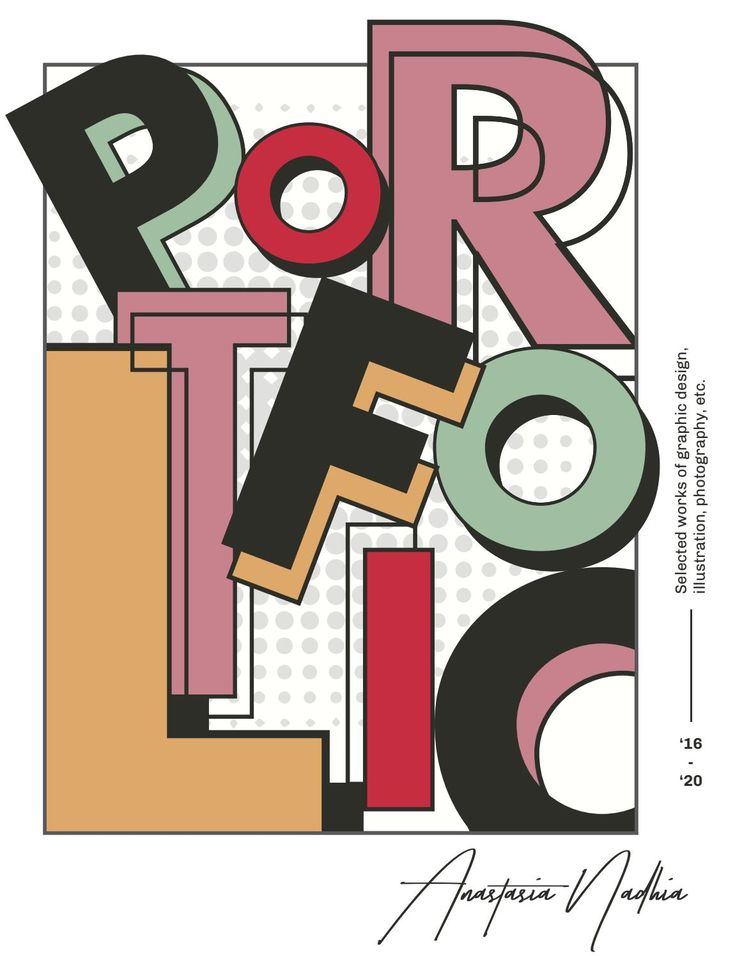
A portfolio is often more influential than a resume in graphic design. It demonstrates creativity, technical ability, and real-world problem-solving skills.
A strong portfolio should include:
- Logo designs
- Branding projects
- Website designs
- Social media campaigns
- Print materials
- Packaging concepts
- Personal creative projects
- Case studies explaining the design process
Quality matters more than quantity.
Freelancing vs Full-Time Employment
Both career paths offer unique advantages.
Freelancing
Benefits include:
- Flexible working hours
- Global clients
- Unlimited earning potential
- Creative independence
- Opportunity to build a personal brand
Challenges include:
- Finding consistent clients
- Managing finances
- Handling contracts and deadlines
Full-Time Employment
Benefits include:
- Stable income
- Employee benefits
- Team collaboration
- Professional mentorship
- Structured career growth
Many designers combine both options by freelancing alongside a full-time job.
Future Trends in Graphic Design
The graphic design industry continues to evolve with emerging technologies.
Some important trends include:
- Artificial Intelligence-assisted design
- 3D illustrations
- Motion graphics
- Interactive design
- Minimalist branding
- Sustainable packaging design
- Augmented Reality (AR) experiences
- Personalized visual content
- Data visualization
- Accessibility-focused design
Designers who embrace new technologies while maintaining strong creative skills will remain competitive.
Tips for Long-Term Career Success
To build a successful graphic design career:
- Practice consistently.
- Stay updated with industry trends.
- Learn new design software.
- Build a professional portfolio.
- Seek constructive feedback.
- Network with other designers.
- Develop communication skills.
- Understand marketing and branding.
- Continue learning through courses and workshops.
- Never stop experimenting with new creative ideas.


