
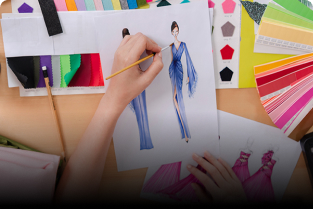
Fashion designing is much more than creating attractive clothing—it is a powerful form of self-expression, cultural identity, and innovation that shapes how people live, dress, and present themselves to the world. From haute couture runways to everyday streetwear, fashion influences lifestyles, consumer behavior, and even social movements. As global trends evolve, fashion designers play a crucial role in introducing fresh ideas, sustainable practices, and technology-driven solutions that redefine the way people experience style.
In today’s fast-paced world, fashion designing has become an integral part of modern lifestyles, blending creativity with functionality to meet changing consumer needs. Designers are not only setting trends but also responding to shifting values such as sustainability, inclusivity, and digital transformation.
What Is Fashion Designing?
Fashion designing is the creative process of conceptualizing, designing, and producing clothing, footwear, accessories, and lifestyle products. It combines artistic vision with technical knowledge to create garments that are aesthetically appealing, comfortable, and functional.
Fashion designers consider various factors during the design process, including:
- Fabric selection
- Color combinations
- Pattern making
- Garment construction
- Fashion forecasting
- Consumer preferences
- Seasonal trends
- Market demand
The ultimate goal is to create designs that resonate with target audiences while reflecting contemporary lifestyles.
Fashion as a Reflection of Modern Society
Fashion mirrors the social, cultural, and economic changes happening around the world. Designers often draw inspiration from current events, art, music, history, architecture, technology, and diverse cultures.
Modern lifestyle trends influenced by fashion include:
- Casual everyday wear
- Athleisure clothing
- Sustainable fashion
- Gender-neutral collections
- Smart clothing
- Luxury streetwear
- Minimalist wardrobes
- Cultural fusion styles
As society evolves, fashion continuously adapts to meet changing preferences and expectations.
How Fashion Designing Shapes Lifestyle Trends
1. Promoting Individual Expression
Fashion enables individuals to communicate their personality, beliefs, and identity without speaking. Designers create collections that appeal to different tastes, allowing people to express themselves confidently.
2. Influencing Consumer Choices
Fashion designers significantly impact purchasing decisions through innovative collections, seasonal trends, and collaborations with brands and influencers. Their work often determines which styles become popular worldwide.
3. Encouraging Sustainable Living
Sustainability has become one of the most influential movements in modern fashion. Designers increasingly focus on:
- Eco-friendly fabrics
- Ethical manufacturing
- Recycled materials
- Slow fashion
- Waste reduction
- Circular fashion practices
These efforts encourage consumers to make environmentally responsible purchasing decisions.
4. Supporting Cultural Diversity
Fashion often celebrates global traditions by incorporating regional textiles, embroidery, prints, and craftsmanship into contemporary designs. This helps preserve cultural heritage while introducing traditional artistry to international audiences.
5. Improving Comfort and Functionality
Modern consumers value clothing that combines style with practicality. Designers now emphasize:
- Comfortable fabrics
- Functional designs
- Adaptive clothing
- Versatile wardrobes
- Performance wear
Fashion today is expected to support active lifestyles while maintaining visual appeal.
Technology’s Impact on Fashion Designing
Technology has transformed nearly every aspect of fashion design and production.
Modern innovations include:
- Computer-Aided Design (CAD)
- 3D garment visualization
- Artificial Intelligence (AI) for trend forecasting
- Virtual fitting rooms
- Digital fashion shows
- Smart textiles
- Wearable technology
- Automated manufacturing
These advancements improve efficiency, reduce waste, and create more personalized shopping experiences.
The Rise of Sustainable Fashion
Consumers are becoming increasingly conscious of the environmental impact of clothing production. As a result, sustainable fashion has become one of the industry’s fastest-growing trends.
Fashion designers contribute by:
- Choosing organic materials
- Reducing production waste
- Designing durable garments
- Supporting ethical labor practices
- Promoting recycling initiatives
Sustainability is no longer a niche concept—it has become a central part of modern fashion design.
The Influence of Social Media
Social media platforms have transformed how fashion trends emerge and spread. Designers now showcase collections instantly to global audiences through digital channels.
Popular platforms allow designers to:
- Build personal brands
- Connect with customers
- Launch new collections
- Collaborate with influencers
- Receive immediate feedback
- Market products globally
This digital visibility accelerates trend adoption and expands opportunities for emerging designers.
Career Opportunities in Fashion Designing
The fashion industry offers diverse career paths for creative professionals.
Popular roles include:
- Fashion Designer
- Textile Designer
- Apparel Designer
- Costume Designer
- Fashion Illustrator
- Fashion Stylist
- Fashion Merchandiser
- Pattern Maker
- Fashion Consultant
- Fashion Entrepreneur
- Fashion Buyer
- Fashion Marketing Specialist
With growing demand for creative talent, fashion professionals can work with established brands or launch their own businesses.
Skills Required for Success
Successful fashion designers combine creativity with technical expertise and business awareness.
Important skills include:
- Creativity and innovation
- Sketching and illustration
- Pattern making
- Sewing techniques
- Fabric knowledge
- Color theory
- Trend forecasting
- Communication skills
- Time management
- Problem-solving
- Digital design software proficiency
Continuous learning helps designers stay competitive in an evolving industry.
Future Trends in Fashion Designing
The future of fashion will be shaped by innovation, sustainability, and personalization.
Emerging trends include:
- AI-assisted fashion design
- Digital clothing for virtual environments
- 3D-printed garments
- Smart fabrics with wearable technology
- Personalized fashion recommendations
- Sustainable production methods
- Inclusive sizing and adaptive fashion
- Circular fashion systems
Designers who embrace these trends will help shape the next generation of lifestyle fashion.
Challenges Facing Fashion Designers
Although fashion designing offers exciting opportunities, professionals also face several challenges:
- Rapidly changing consumer preferences
- Intense market competition
- Pressure to innovate continuously
- Balancing creativity with commercial success
- Managing sustainable production costs
- Keeping pace with technological advancements
Overcoming these challenges requires adaptability, resilience, and a commitment to continuous improvement.
Tips for Aspiring Fashion Designers
If you want to build a successful career in fashion designing:
- Develop your creative skills through regular practice.
- Learn garment construction and pattern making.
- Stay updated with global fashion trends.
- Build a strong portfolio showcasing your best work.
- Gain experience through internships and freelance projects.
- Master industry-standard design software.
- Understand branding, marketing, and consumer behavior.
- Network with professionals and attend fashion events.
- Focus on sustainability and innovation.
- Keep experimenting with new ideas and techniques.
Conclusion
Fashion designing is a powerful force that influences modern lifestyle trends, cultural expression, and consumer behavior. By combining creativity, technology, and sustainability, fashion designers shape the way people dress, communicate, and experience the world around them


