
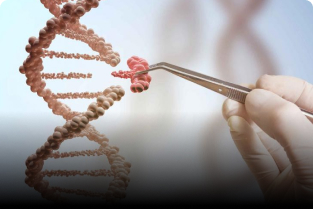
Nanotechnology — the science of manipulating materials at the atomic and molecular scale — holds immense promise for humanity. From revolutionizing medicine and energy to enhancing materials and electronics, it has the potential to reshape industries. However, with such transformative power also comes the risk of misuse. If not properly regulated, nanotechnology could lead to environmental harm, health hazards, or even be weaponized. So, the pressing question is: How can we prevent the development of dangerous nanotechnology?
Understanding the Risks of Nanotechnology
Before exploring prevention, it’s essential to understand the potential dangers associated with nanotechnology:
-
Health Risks: Nanoparticles can interact with human cells in unpredictable ways. Some may cause inflammation, respiratory issues, or even DNA damage if inhaled or ingested.
-
Environmental Impact: Nanoparticles might accumulate in soil, water, and air, affecting ecosystems and food chains.
-
Weaponization: There’s a risk of nanotechnology being used in military applications — for example, developing microscopic surveillance devices or biochemical weapons.
-
Ethical and Privacy Concerns: Nano-enabled devices could make personal surveillance undetectable, raising privacy and ethical questions.
-
Economic and Social Disruption: If not regulated, nanotechnology could lead to monopolies or job displacement, deepening global inequality.
1. Establishing Strong Global Regulations
Just as nuclear and chemical technologies are governed by international treaties, nanotechnology also needs global regulatory frameworks.
-
Governments and international organizations (like the World Health Organization (WHO) or United Nations) should collaborate to set safety standards for the production, use, and disposal of nanomaterials.
-
A global nanotechnology oversight board could monitor research, prevent the creation of harmful nano-weapons, and ensure that nanotech development benefits humanity.
2. Promoting Responsible Research and Innovation
Scientists, engineers, and institutions must adopt a “safety-first” approach to nanotechnology research.
-
Implement ethical review processes before starting new nanotech projects.
-
Require environmental and health impact assessments for all nanotech-based products.
-
Encourage open scientific collaboration to ensure that research remains transparent and not hidden for harmful purposes.
3. Developing Safe-by-Design Nanomaterials
Researchers can integrate safety considerations into the design phase itself — a concept known as “safe-by-design” nanotechnology.
-
Modify particle size, coating, and reactivity to reduce toxicity.
-
Create biodegradable nanomaterials that naturally break down without harming ecosystems.
-
Develop real-time monitoring systems to detect and neutralize harmful nanoparticles in the environment.
4. Raising Public Awareness and Education
Educating both the public and professionals about nanotechnology’s risks and benefits is vital.
-
Schools, universities, and research institutions should include ethics and safety modules in science and engineering courses.
-
Public awareness campaigns can help people make informed choices about nano-based products, fostering a culture of accountability and caution.
5. Strengthening Industry Standards and Accountability
Industries using nanotechnology must adhere to strict production and labeling standards.
-
Enforce transparency in product labeling, so consumers know when they’re using nanotech-based materials.
-
Mandate safety testing and certification before commercial release.
-
Establish legal accountability for companies that misuse or irresponsibly manage nanomaterials.
6. Encouraging Ethical Oversight and Collaboration
Ethics committees and policy think tanks should work alongside scientists to define the boundaries of acceptable nanotech applications.
-
Encourage international cooperation to share data on safe nanomaterial usage.
-
Involve philosophers, sociologists, and ethicists in technology development to evaluate long-term social implications.
7. Investing in Nanotechnology Risk Research
Governments and private sectors should fund toxicology and risk assessment studies to better understand how nanomaterials behave in biological and environmental systems.
-
Create nanotoxicology databases accessible to researchers worldwide.
-
Support interdisciplinary research that combines nanoscience, biology, and environmental studies for holistic safety assessments.
Conclusion
Nanotechnology can be both a boon and a potential threat — its impact depends on how responsibly we manage it. Preventing the development of dangerous nanotechnology requires global cooperation, ethical awareness, transparent research, and proactive regulation.


