
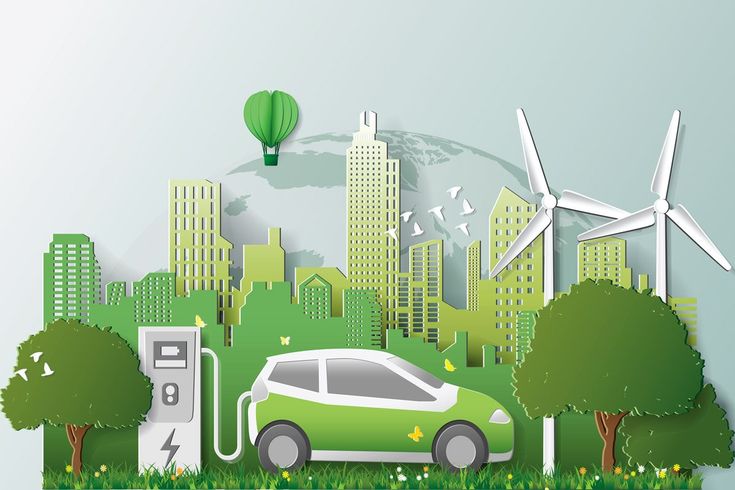
Climate change and air pollution have become some of the most pressing global challenges. One of the largest contributors to greenhouse gas emissions is the transportation sector, which relies heavily on petrol and diesel-powered vehicles. As governments, businesses, and consumers seek cleaner alternatives, Hybrid Vehicles (HEVs) and Electric Vehicles (EVs) have emerged as key solutions for reducing carbon emissions and promoting sustainable mobility.
By combining advanced technologies with greater energy efficiency, hybrid and electric vehicles significantly reduce reliance on fossil fuels. They help lower greenhouse gas emissions, improve air quality, and support the transition to a cleaner and more sustainable future.
In this blog, we’ll explore how hybrid and electric vehicles reduce carbon emissions, the technologies behind them, their environmental benefits, challenges, and the future of green transportation.
Understanding Carbon Emissions
Carbon emissions primarily refer to the release of carbon dioxide (CO₂) into the atmosphere through the burning of fossil fuels such as petrol, diesel, and coal. Excessive CO₂ contributes to global warming by trapping heat in the Earth’s atmosphere.
Major sources of transportation-related carbon emissions include:
- Passenger cars
- Commercial trucks
- Buses
- Motorcycles
- Shipping and aviation
Reducing emissions from road transport is essential for achieving climate goals and improving public health.
What Are Hybrid Vehicles?
Hybrid vehicles combine two power sources:
- An internal combustion engine (ICE)
- An electric motor powered by a rechargeable battery
The vehicle automatically switches between or combines these power sources to maximise efficiency and reduce fuel consumption.
Common types of hybrid vehicles include:
- Mild Hybrid Electric Vehicles (MHEVs)
- Full Hybrid Electric Vehicles (HEVs)
- Plug-in Hybrid Electric Vehicles (PHEVs)
Hybrids offer better fuel economy while producing fewer emissions than conventional petrol or diesel vehicles.
What Are Electric Vehicles?
Electric vehicles are powered entirely by electric motors and rechargeable battery packs. Unlike conventional vehicles, EVs do not have an exhaust system and produce zero tailpipe emissions during operation.
Common types include:
- Battery Electric Vehicles (BEVs)
- Plug-in Hybrid Electric Vehicles (PHEVs)
- Fuel Cell Electric Vehicles (FCEVs)
Battery electric vehicles are considered the cleanest option because they operate solely on electricity.
How Hybrid Vehicles Reduce Carbon Emissions
1. Lower Fuel Consumption
Hybrid vehicles use electric power during low-speed driving and acceleration, reducing the amount of petrol or diesel consumed.
Less fuel burned means lower carbon dioxide emissions.
2. Regenerative Braking
Instead of wasting energy as heat during braking, hybrid vehicles recover kinetic energy and convert it into electricity to recharge the battery.
This improves efficiency and reduces fuel demand.
3. Automatic Engine Shut-Off
Many hybrid vehicles automatically switch off the engine when the vehicle is stationary, such as at traffic lights.
This eliminates unnecessary fuel consumption and emissions during idling.
4. Efficient Engine Operation
Hybrid systems allow the petrol engine to operate closer to its optimal efficiency, reducing fuel use and greenhouse gas emissions.
How Electric Vehicles Reduce Carbon Emissions
1. Zero Tailpipe Emissions
Electric vehicles produce no exhaust gases while driving.
This eliminates emissions such as:
- Carbon dioxide (CO₂)
- Nitrogen oxides (NOₓ)
- Carbon monoxide (CO)
- Particulate matter (PM)
Cleaner streets contribute to healthier communities.
2. Higher Energy Efficiency
Electric motors convert a much larger proportion of electrical energy into movement compared to internal combustion engines, which lose significant energy as heat.
This higher efficiency means less energy is needed to travel the same distance.
3. Renewable Energy Integration
Electric vehicles can be charged using electricity generated from renewable sources such as:
- Solar energy
- Wind energy
- Hydropower
As electricity grids become cleaner, the overall carbon footprint of EVs continues to decrease.
4. Reduced Dependence on Fossil Fuels
Replacing petrol and diesel with electricity reduces demand for fossil fuels, lowering emissions associated with fuel extraction, refining, and transportation.
Environmental Benefits of Hybrid and Electric Vehicles
The widespread adoption of hybrid and electric vehicles offers several environmental advantages.
Improved Air Quality
Lower emissions mean reduced levels of harmful pollutants, leading to cleaner air and fewer respiratory illnesses in urban areas.
Reduced Greenhouse Gas Emissions
Lower carbon dioxide emissions help slow global warming and support international climate targets.
Less Noise Pollution
Electric motors operate much more quietly than conventional engines, creating a quieter environment in cities and residential areas.
Lower Oil Consumption
Reduced reliance on petrol and diesel helps conserve natural resources and improve energy security.
Support for Sustainable Cities
Hybrid and electric vehicles contribute to cleaner transportation systems that align with smart city initiatives and sustainable urban development.
Technologies Supporting Low-Emission Vehicles
Several advanced technologies improve the environmental performance of hybrid and electric vehicles.
Lithium-Ion Batteries
Modern batteries provide greater energy storage, longer driving ranges, and faster charging capabilities.
Battery Management Systems
These systems monitor battery health, temperature, and charging performance to maximise efficiency and lifespan.
Regenerative Braking
Energy that would otherwise be lost during braking is recovered and reused.
Smart Charging Systems
Smart charging enables efficient electricity use by charging vehicles during periods of lower electricity demand.
Vehicle-to-Grid (V2G) Technology
Some electric vehicles can return stored electricity to the power grid during peak demand, improving energy stability and supporting renewable energy integration.
Challenges to Reducing Carbon Emissions
Despite their advantages, hybrid and electric vehicles face several challenges.
Battery Manufacturing
Producing batteries requires raw materials such as lithium, cobalt, and nickel, which have environmental and social impacts if not sourced responsibly.
Charging Infrastructure
Many regions still require more public charging stations to support widespread EV adoption.
Electricity Generation
If electricity is produced mainly from fossil fuels, the environmental benefits of EVs are reduced. Expanding renewable energy generation enhances their overall sustainability.
Initial Purchase Cost
Although operating costs are often lower, hybrid and electric vehicles can have higher upfront prices than conventional vehicles.
Battery Recycling
Developing efficient recycling systems is essential for recovering valuable materials and reducing environmental waste.
Government Support and Global Adoption
Many governments encourage the adoption of hybrid and electric vehicles through:
- Purchase incentives
- Tax benefits
- Investment in charging infrastructure
- Research and development funding
- Emission regulations
- Support for renewable energy
These measures are accelerating the global transition to cleaner transportation.
Future of Hybrid and Electric Vehicles
The future of low-emission transportation is promising.
Emerging innovations include:
- Solid-state batteries
- Ultra-fast charging technology
- Wireless charging
- Artificial intelligence for energy management
- Autonomous electric vehicles
- Improved battery recycling
- Expanded renewable energy integration
These developments are expected to make hybrid and electric vehicles more affordable, efficient, and environmentally friendly.
Career Opportunities in Hybrid and Electric Vehicles
The rapid growth of the EV industry has created numerous career opportunities, including:
- Electric Vehicle Engineer
- Battery Design Engineer
- Automotive Software Developer
- Embedded Systems Engineer
- Power Electronics Engineer
- Charging Infrastructure Specialist
- Vehicle Testing Engineer
- Energy Storage Engineer
- Research Scientist
- Sustainability Consultant
As demand for clean transportation grows, skilled professionals in these areas will continue to be in high demand.
Tips for Consumers Considering Hybrid or Electric Vehicles
If you’re planning to purchase a hybrid or electric vehicle:
- Assess your daily driving needs and range requirements.
- Compare charging options available at home and in your area.
- Consider total ownership costs, including fuel and maintenance savings.
- Review warranty coverage for batteries.
- Explore government incentives that may reduce purchase costs.
- Choose a model with strong safety features and reliable after-sales support.
Making an informed decision helps maximise both financial and environmental benefits.
Conclusion
Hybrid and electric vehicles play a crucial role in reducing carbon emissions and creating a cleaner, more sustainable future. By lowering fuel consumption, eliminating tailpipe emissions, improving energy efficiency, and supporting renewable energy integration, these vehicles are transforming the transportation industry.


