
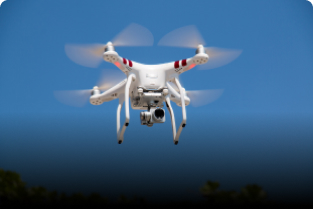
Natural disasters such as earthquakes, floods, hurricanes, landslides, and wildfires can cause significant damage to human lives, infrastructure, and the environment. During such emergencies, quick response and effective disaster management are essential to minimize losses and protect affected communities. Traditional disaster management methods often face challenges such as limited accessibility, dangerous environments, and delays in collecting accurate information. This is where drone engineering plays an important role in modern disaster management.
Drone engineering combines mechanical engineering, electronics, robotics, artificial intelligence, and software development to design and develop unmanned aerial vehicles (UAVs). These advanced flying devices can access difficult locations, capture real-time images, monitor disaster situations, and support rescue operations. With continuous technological advancements, drones are becoming valuable tools for emergency response teams, government agencies, and disaster management organizations.
1. What Is Drone Engineering in Disaster Management?
Drone engineering in disaster management involves designing, developing, and operating unmanned aerial vehicles to support disaster preparedness, emergency response, and recovery activities.
Modern drones are equipped with advanced technologies such as GPS navigation, thermal cameras, LiDAR sensors, artificial intelligence, and high-resolution imaging systems. These technologies allow drones to collect important information from disaster-affected areas without putting human lives at unnecessary risk.
For example, after an earthquake, drones can fly over damaged buildings, identify blocked roads, capture images of collapsed structures, and help rescue teams locate possible survivors.
2. Importance of Drones in Search and Rescue Operations
One of the most important applications of drone engineering is search and rescue operations. During disasters, locating missing or trapped individuals can be extremely challenging, especially in remote areas or damaged buildings.
Drones equipped with thermal imaging cameras and advanced sensors can help rescue teams identify people in difficult-to-reach locations.
Some major benefits include:
- Faster Search Operations: Drones can cover large areas in less time than traditional ground-based search teams.
- Thermal Detection: Thermal cameras can help identify human heat signatures in certain conditions.
- Access to Dangerous Areas: Drones can enter locations that may be unsafe for rescue workers.
- Real-Time Monitoring: Live video feeds help emergency teams make informed decisions.
These capabilities can improve search efficiency and support faster emergency responses.
3. Role of Drone Technology in Flood Management
Floods are among the most destructive natural disasters, affecting thousands of communities every year. Heavy rainfall, overflowing rivers, and damaged drainage systems can cause severe flooding and make transportation difficult.
Drone engineering helps disaster management authorities monitor flood conditions and assess affected regions.
Drones can be used for:
- Monitoring rising water levels in flood-prone areas.
- Identifying submerged roads, bridges, and buildings.
- Mapping flooded regions using aerial photography.
- Locating stranded individuals and communities.
- Supporting the delivery of emergency supplies to isolated areas.
By providing aerial information, drones help authorities understand the extent of flooding and plan rescue operations more effectively.
4. How Drones Help in Earthquake Disaster Management
Earthquakes can destroy buildings, damage roads, and disrupt essential services within seconds. Traditional inspection methods may take considerable time, particularly when infrastructure is unstable.
Drones provide a safer and faster way to assess earthquake damage.
They can capture high-resolution aerial images, inspect damaged structures, and create detailed maps of affected areas. Advanced drones equipped with LiDAR technology can also generate 3D models of damaged infrastructure.
The collected information helps engineers, rescue teams, and government authorities:
- Identify severely damaged buildings.
- Locate accessible routes for emergency vehicles.
- Assess infrastructure damage.
- Identify potential rescue locations.
- Plan reconstruction and recovery activities.
Drone-based inspections reduce the need for immediate human entry into potentially dangerous structures.
5. Application of Artificial Intelligence in Disaster Management Drones
Artificial intelligence (AI) is making drone technology more advanced and efficient. AI-powered drones can process images, recognize objects, analyze environmental conditions, and support automated decision-making.
Some important applications include:
Image Recognition: AI algorithms can analyze aerial images to identify damaged buildings, blocked roads, and flooded areas.
Autonomous Navigation: AI-powered navigation systems help drones operate with limited human intervention and avoid obstacles.
Survivor Detection: Advanced computer vision systems can help identify people in disaster-affected locations.
Damage Assessment: Machine learning models can analyze collected data to estimate the extent of infrastructure damage.
By combining AI with drone engineering, emergency response teams can collect and analyze information more efficiently.
6. Importance of Drones in Wildfire Detection and Monitoring
Wildfires can spread rapidly, destroying forests, wildlife habitats, agricultural land, and nearby communities. Monitoring large forest areas using traditional methods can be difficult and time-consuming.
Drones equipped with thermal imaging cameras and environmental sensors can help detect unusual heat patterns and monitor fire movement.
Their major applications include:
- Identifying potential fire hotspots.
- Monitoring the direction and spread of wildfires.
- Assessing damage to forests and surrounding communities.
- Providing real-time information to firefighting teams.
- Identifying areas that require immediate attention.
Drone technology can support early detection and improve coordination during wildfire emergencies.
7. Role of Drones in Delivering Emergency Supplies
During major disasters, transportation networks can become damaged or completely inaccessible. Delivering essential supplies to affected communities becomes a major challenge.
Specialized delivery drones can transport lightweight emergency supplies to isolated locations.
These supplies may include:
- First-aid kits and essential medical equipment.
- Emergency medicines.
- Food and drinking water.
- Communication devices.
- Small emergency rescue equipment.
Drone-based delivery systems can be particularly useful in remote villages, flood-affected regions, and areas with damaged road infrastructure. However, their payload capacity, battery life, weather conditions, and flight regulations must be considered.
8. Benefits of Drone Engineering in Disaster Management
Drone engineering offers several advantages that make disaster response operations more effective.
1. Faster Emergency Response: Drones can quickly collect aerial information and help emergency teams identify areas requiring immediate assistance.
2. Improved Safety: They reduce the need for rescue workers and inspectors to enter dangerous environments during initial assessments.
3. Cost-Effective Operations: Drones can provide aerial monitoring and mapping without always requiring expensive helicopters or other aircraft.
4. Accurate Data Collection: High-resolution cameras, GPS, and LiDAR sensors help generate detailed information about disaster-affected areas.
5. Better Decision-Making: Real-time aerial information helps authorities prioritize rescue operations and allocate available resources.
6. Access to Remote Locations: Drones can reach isolated areas where traditional transportation and communication systems may be disrupted.
9. Challenges of Using Drones in Disaster Management
Although drone engineering offers significant advantages, several challenges must be addressed before drones can be used effectively in disaster management.
- Limited Battery Life: Most drones have limited flight durations, which can restrict their use during long emergency operations.
- Weather Conditions: Heavy rain, strong winds, and extreme temperatures can affect drone performance.
- Connectivity Issues: Disasters may damage communication networks, making remote drone operations difficult.
- Payload Limitations: Small drones cannot transport large quantities of emergency supplies.
- Privacy and Security: Drone operations must follow appropriate privacy, data protection, and aviation regulations.
- Technical Expertise: Operating advanced drones requires trained professionals with knowledge of navigation, sensors, and data analysis.
Addressing these challenges through better battery technology, autonomous systems, reliable communication networks, and skilled professionals can improve the effectiveness of drone-based disaster management.


