
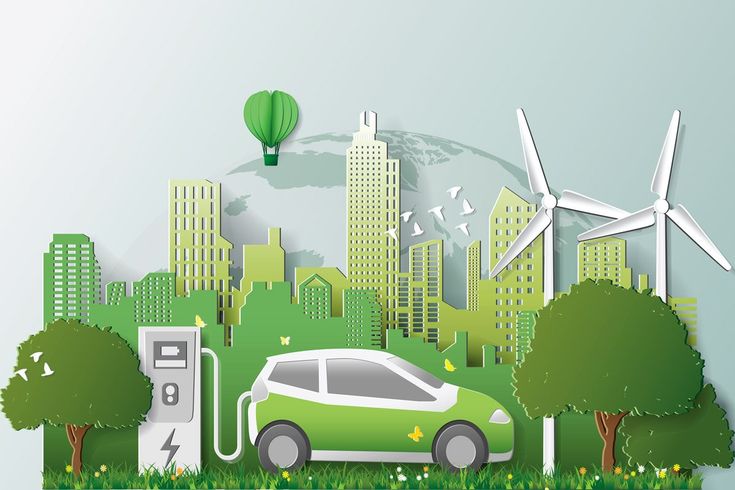
The automotive world is undergoing a massive transformation, and at the center of this revolution are Hybrid Vehicles (HVs) and Electric Vehicles (EVs). With rising fuel prices, increasing environmental concerns, and rapid technological advancements, both hybrid and electric vehicles have become key players in shaping modern mobility.
But what makes them the future of transportation? Let’s explore.
1. Environmental Benefits
One of the most compelling reasons hybrid and electric vehicles are gaining popularity is their significant reduction in carbon emissions.
Electric Vehicles (EVs):
- Produce zero tailpipe emissions
- Help reduce air pollution in urban areas
- Support global climate goals by lowering carbon footprints
Hybrid Vehicles (HVs):
- Combine a petrol engine with an electric motor
- Offer lower emissions compared to traditional vehicles
- Reduce fuel consumption using intelligent power management
As governments worldwide push for greener mobility, these eco-friendly vehicles continue to rise in demand.
2. Lower Operating Costs
Hybrid and electric vehicles save money in the long run.
For EVs:
- Electricity is cheaper than petrol/diesel
- Lower maintenance cost (no oil changes, fewer moving parts)
- Regenerative braking extends brake life
For Hybrids:
- Better mileage leads to lower fuel expenses
- Reduced maintenance due to lesser engine strain
With rising fuel costs, these savings appeal to individuals and businesses alike.
3. Advancements in Battery Technology
Modern battery technology has evolved dramatically.
- EVs now offer longer driving ranges (400–600 km+ on a single charge)
- Faster charging options including DC fast chargers
- Improved battery lifespan and reduced degradation
As battery costs decline, electric vehicles become more accessible and affordable.
4. Supportive Government Policies
Many governments are promoting cleaner mobility with:
- Tax benefits
- Purchase subsidies
- Reduced road taxes
- Investment in charging infrastructure
- Emission regulations on traditional vehicles
These incentives make hybrid and electric vehicles an attractive choice for consumers.
5. Rapid Expansion of Charging Infrastructure
The availability of charging stations is no longer a major concern.
- Cities are installing public fast-charging stations
- Workplace and home chargers are becoming common
- Highways now support long-distance EV travel
This growing network ensures that electric mobility is practical and convenient.
6. Enhanced Driving Experience
Hybrid and electric vehicles offer advanced driving comfort such as:
- Instant torque for quick acceleration
- Smooth, quiet rides
- Auto start-stop features
- Intelligent driving modes
- Regenerative braking
EVs especially stand out with their futuristic and effortless driving feel.
7. Growing Adoption by Automakers
Leading automobile companies are investing heavily in hybrid and electric technology. As production grows, variety increases and prices fall.
- More models across different price ranges
- Improvements in design, performance, and safety
- Long-term commitment to phase out fossil-fuel-only vehicles
The shift is industry-wide, signaling that the future truly belongs to EVs and hybrids.
Conclusion
Hybrid and electric vehicles are not just a trend—they are the future of transportation. With environmental benefits, lower running costs, improving technology, and global support, they are paving the way for a cleaner, smarter mobility revolution.


