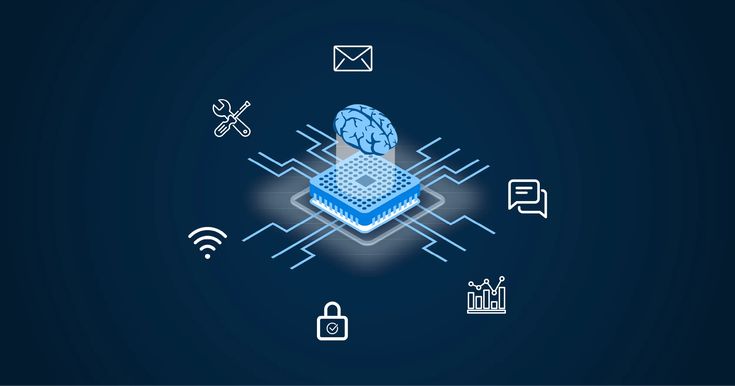

Embedded Systems in 2026: The Future of Smart Technology

Embedded systems are powering the world around us—smart gadgets, cars, medical devices, industrial machines, robots, wearables, and more. As we move into 2026, embedded technology is entering a transformational era driven by artificial intelligence, advanced processors, automation, and hyper-connected IoT ecosystems.

Whether you’re a student, engineer, or tech enthusiast, understanding the future of embedded systems in 2026 will help you stay ahead of the curve. Here’s a complete look at what’s changing, what’s trending, and what opportunities lie ahead.


1. AI-Powered Embedded Systems Become the New Normal

In 2026, AI is no longer limited to cloud platforms—it’s moving directly into edge devices. Thanks to powerful microcontrollers and low-power neural processing units (NPUs), embedded systems can now run AI models locally.

What this means:

  • Faster, real-time decision-making
  • Reduced dependency on cloud computing
  • Enhanced privacy and data security
  • Smarter automation in home, industrial, and automotive devices

AI-at-the-edge is becoming a standard feature in next-gen embedded products.


2. Massive Growth in IoT and Smart Device Ecosystems

IoT is expanding faster than ever. By 2026, billions of connected devices will rely on embedded systems to collect, process, and transmit data.

Key trends:

  • Ultra-low-power chips for long-lasting IoT sensors
  • Smarter home automation systems
  • Smart agriculture, smart cities, and intelligent industrial monitoring
  • More use of wireless protocols like LoRa, NB-IoT, 5G, and BLE 5.2

IoT will continue to create huge demand for embedded engineers worldwide.


3. Automotive Embedded Systems Fuel the EV and Autonomous Revolution

The automotive sector is one of the biggest drivers of embedded innovation in 2026.

Advancements include:

  • Advanced driver-assistance systems (ADAS)
  • AI-driven safety monitoring and predictive diagnostics
  • High-performance processors in electric vehicles
  • Connected car technologies

From battery management to self-driving algorithms, embedded systems are at the heart of next-generation vehicles.


4. Wearables and Healthcare Devices Become Smarter

The global demand for health-focused embedded systems is skyrocketing. By 2026, advanced wearable and medical monitoring devices will offer more accurate and real-time health insights.

Examples:

  • Smartwatches with precision health tracking
  • Portable ECG and oxygen monitors
  • Embedded AI predicting health risks
  • Remote patient monitoring (RPM) devices

Healthcare companies will invest heavily in innovative embedded designs to support telemedicine and smart diagnostics.


5. Rise of Secure Embedded Systems

Cybersecurity is no longer optional. As devices become more connected, the risk of hacking grows. In 2026, embedded security is a top priority across industries.

Trends shaping secure embedded design:

  • Hardware-level encryption
  • Secure boot and trusted execution environments (TEE)
  • Zero-trust embedded architectures
  • Automatic firmware OTA updates

Businesses want devices that are not only smart—but also secure.


6. Real-Time Processing Becomes Faster and More Efficient

Next-gen embedded systems rely on advanced processors that offer high speed without compromising power efficiency.

Expect to see:

  • More ARM Cortex-M and RISC-V adoption
  • Real-time operating systems (RTOS) becoming mainstream
  • Multi-core microcontrollers for complex tasks
  • Better energy management systems for portable devices

Performance optimization is key to handling growing AI and IoT workloads.


7. Industry 4.0 and Smart Manufacturing Boost Embedded Innovation

Factories are becoming fully automated and intelligent, driven by embedded systems controlling robots, sensors, and industrial machines.

Industry 4.0 technologies include:

  • Digital twins
  • Predictive maintenance using embedded AI
  • Smart controllers for industrial robots
  • IoT-enabled quality monitoring

Embedded engineers will play a major role in building smart, self-optimizing factories.


8. Demand for Embedded Engineers Skyrockets

With so many industries depending on embedded systems, career opportunities in 2026 look extremely promising.

In-demand skills include:

  • C, C++, Python
  • Embedded Linux and RTOS
  • Microcontroller programming
  • PCB design
  • IoT firmware development
  • AI/ML on microcontrollers
  • Communication protocols (UART, SPI, I2C, CAN, MQTT)

Professionals with hands-on embedded experience will have a strong edge in the job market.


Final Thoughts

Embedded systems in 2026 are smarter, faster, and more secure than ever before. From AI-enhanced edge devices to automotive innovation and industrial automation, the field is entering a golden era of growth and opportunity. Whether you want to become an embedded engineer or develop smart products, now is the perfect time to dive into this exciting and future-proof technology.

What are some of the disadvantages of business cloud computing?

Cloud computing has transformed the way businesses store data, run applications, and scale their operations. Its flexibility, cost savings, and remote access capabilities make it a popular choice across industries. But despite the benefits, cloud computing also has several disadvantages that businesses must carefully consider before fully adopting it.

Below are the major drawbacks of business cloud computing and why companies need to plan ahead to avoid these issues.


**1. Security and Privacy Risks

Security is one of the biggest concerns when it comes to cloud computing.

When companies store confidential data on external servers, they become dependent on the security measures of the cloud service provider. While top cloud providers offer strong security, risks still exist, such as:

  • Data breaches
  • Unauthorized access
  • Hacking attempts
  • Weak passwords or misconfigured settings

Sensitive industries like finance, healthcare, and defense face stricter compliance challenges, making cloud adoption even more complicated.


**2. Downtime and Internet Dependency

Cloud services require constant internet connectivity. If the internet connection slows down or goes offline, business operations can suffer.

Potential issues include:

  • Service outages
  • Slow processing
  • Inability to access critical data
  • Interruptions during peak business hours

Even the biggest cloud providers occasionally face outages, making downtime a real business risk.


**3. Hidden and Recurring Costs

While cloud computing is marketed as cost-effective, many businesses discover unexpected expenses later.

Hidden costs may include:

  • Higher charges for increased storage
  • Fees for data transfers
  • Upgrading to premium plans
  • Paying for additional security layers
  • Increased bandwidth usage

Over time, these recurring expenses can exceed the cost of traditional on-premise systems.


**4. Limited Control Over Infrastructure

When a business uses cloud services, much of the infrastructure is managed by the provider—not the business.

This can lead to limitations such as:

  • No visibility into backend systems
  • Restricted administrative access
  • Slow provider support
  • Dependency on vendor updates and maintenance

For businesses that require full control over their hardware and software, this can be a major drawback.


**5. Data Transfer and Migration Issues

Moving large amounts of data to the cloud or switching between providers can be challenging.

Common problems include:

  • Slow migration speeds
  • Compatibility issues
  • Risk of data loss during transfer
  • Vendor lock-in (difficulty switching providers later)

Because each cloud provider uses different protocols, transferring systems can become costly and time-consuming.


**6. Compliance Challenges

Many industries must follow strict data protection laws such as GDPR, HIPAA, or PCI DSS. Storing data on the cloud can create compliance concerns because:

  • Data may be stored across multiple countries
  • Difficult to verify provider’s security measures
  • Auditing becomes more complex

If a business fails to meet compliance standards, it may face penalties.


**7. Performance Can Be Inconsistent

Cloud performance depends on the provider’s hardware and network. Some issues businesses may face include:

  • Slower application speed
  • Delayed data retrieval
  • Shared resources causing performance drops
  • Latency for global teams

For applications that require real-time processing, this can be a barrier.


**8. Dependence on Third-Party Providers

Businesses relying heavily on cloud services become dependent on the provider’s reliability, stability, pricing, and policies.

This creates potential disadvantages:

  • Provider policy changes affecting operations
  • Increased costs over time
  • Reduced negotiating power
  • Risk if the provider shuts down or discontinues services

This dependency can impact long-term business continuity.


Final Thoughts

Cloud computing offers tremendous benefits, but it is not perfect. Understanding its disadvantages—such as security risks, downtime, hidden costs, limited control, and vendor dependency—helps businesses plan more effectively. With proper strategy, companies can enjoy the advantages of cloud computing while minimizing potential problems.

How Can I Learn to Build Robots and IoT From Scratch?

Building robots and IoT devices from scratch may sound complex, but with the right roadmap, it becomes an exciting and achievable journey. Robotics and IoT combine electronics, programming, and problem-solving—perfect for curious learners who enjoy creating things that work in the real world. Whether you’re a student, a hobbyist, or someone looking for a career shift, you can start from absolute zero and gradually master these highly in-demand skills.

Below is a simple, structured guide to help you begin your robotics and IoT journey from scratch.


1. Start With the Basics of Electronics

Robots and IoT devices rely heavily on electronic components. You don’t need an engineering degree—just a basic understanding of:

  • Voltage, current, resistance
  • Sensors and actuators
  • Batteries and power management
  • Breadboards, resistors, LEDs, motors, switches

Start small: build tiny circuits like blinking LEDs or buzzer beeps. These simple projects build your foundation.


2. Learn a Beginner-Friendly Programming Language

Coding is the brain behind any robot or IoT system. The most recommended language to start with:

  • Python (simple and powerful for robotics)
  • C/C++ (important for microcontrollers like Arduino)

Even basic programming skills can help you control motors, read sensors, and automate devices.


3. Begin With Arduino or Raspberry Pi

These two platforms are the easiest way to start real robotics and IoT projects:

Arduino (Best for Robotics & Simple IoT)

  • Controls motors and sensors
  • Easy to learn
  • Great for beginner robots

Raspberry Pi (Best for Advanced IoT & Smart Devices)

  • Works like a small computer
  • Supports WiFi, Linux, Python
  • Ideal for home automation and AI-based IoT

Start with the one that matches your goals. Many beginners start with Arduino because it’s easier for hands-on electronics.


4. Build Beginner-Level Projects

Hands-on projects help you understand how everything works. Try:

Robotics Projects

  • Line-following robot
  • Obstacle-avoiding robot
  • Simple robotic arm
  • Bluetooth-controlled car

IoT Projects

  • Smart home automation
  • Weather monitoring system
  • Smart plant watering system
  • IoT security alarm system

These are small yet powerful projects that teach real concepts.


5. Learn How Sensors and Actuators Work

Sensors help your robot or IoT device understand the environment. Actuators help it take action.

Common sensors:

  • Ultrasonic distance sensor
  • Temperature & humidity sensor
  • IR sensors
  • Light sensor
  • Gas sensor

Common actuators:

  • Servo motors
  • DC motors
  • Stepper motors
  • Relays

The more sensors you experiment with, the more creative your projects become.


6. Explore IoT Cloud Platforms

IoT systems often send data to the internet. Learn platforms such as:

  • Thingspeak
  • Blynk
  • AWS IoT
  • Google Firebase
  • MQTT messaging

These let you track sensor data remotely or control devices from your phone.


7. Enhance Skills by Learning Mechanical Basics

For robotics, understanding:

  • Gears
  • Chassis design
  • Wheels and joints
  • 3D design (Fusion 360, Tinkercad)

helps you build durable, stable robots.


8. Follow a Clear Learning Path

Here’s a simple roadmap:

Step 1: Learn electronics basics

Step 2: Learn Python or C++

Step 3: Start with Arduino kits

Step 4: Build basic bots and IoT devices

Step 5: Learn sensors, motors, cloud platforms

Step 6: Move to Raspberry Pi and advanced robotics

Step 7: Work on real-world projects and participate in competitions

Step 8: Build a portfolio for job or freelancing opportunities


9. Use Online Resources and Communities

Platforms like YouTube, Udemy, Coursera, and robotics forums offer complete beginner-friendly tutorials. Communities like Reddit and GitHub also help with problem solving and sharing ideas.


10. Keep Experimenting and Building

Robotics and IoT are best learned through continuous experimentation. Every project you build increases your skills and confidence.

Over time, you will be able to:

  • Create advanced robots
  • Build smart IoT systems
  • Work on automation solutions
  • Even start a robotics/IoT career

Final Thoughts

Learning robotics and IoT from scratch is completely achievable—even without prior experience. With patience, curiosity, and the right learning plan, you can build intelligent systems that solve real-world problems. Start small, stay consistent, and watch your skills—and your robots—grow day by day.

Machine Learning in 2026: The Technology Powering the Future

Machine learning (ML) has moved from being a cutting-edge idea to becoming the backbone of intelligent systems across industries. By 2026, ML has advanced to a level where it powers everyday applications—from personalized recommendations to autonomous systems, predictive analytics, and real-time decision-making. With rapid growth in computing power, data availability, automation, and AI-driven tools, machine learning has become more powerful, accessible, and impactful than ever.

In this blog, we explore the major advancements, trends, and opportunities shaping machine learning in 2026.


1. ML Automation Takes Center Stage

By 2026, ML development is faster and more efficient thanks to ML automation. AutoML tools now handle complex tasks automatically:

  • Data preprocessing
  • Feature engineering
  • Model selection
  • Hyperparameter tuning
  • Performance optimization

This automation allows organizations to build ML solutions rapidly, even with smaller data science teams.


2. Generative Machine Learning Dominates

Generative models are the biggest revolution in machine learning. In 2026, they are widely used to create:

  • Synthetic data for training
  • High-quality images, videos, and audio
  • AI-driven marketing content
  • Product designs and prototypes
  • Simulated environments for training robots and autonomous systems

Generative ML helps businesses innovate faster, reduce costs, and personalize content at scale.


3. Real-Time Machine Learning Becomes the Norm

Real-time ML models now power fast, data-driven decisions. Industries rely on live machine learning for:

  • Fraud detection
  • Stock market predictions
  • Real-time personalization
  • Predictive maintenance
  • Smart city management

With edge computing and powerful processors, ML models process data instantly at the source, eliminating delays.


4. ML Models Grow More Explainable and Transparent

In 2026, interpretability is just as important as accuracy. Organizations no longer trust “black box models.” Explainable ML tools now provide:

  • Clear model reasoning
  • Feature importance breakdowns
  • Bias detection
  • Transparent predictions

This ensures fairness, builds trust, and helps companies meet strict global AI regulations.


5. Edge ML Revolutionizes IoT and Smart Devices

Machine learning has moved beyond the cloud. Edge ML allows models to run on:

  • Smartphones
  • Wearables
  • Drones
  • Security systems
  • Autonomous robots
  • IoT sensors

This shift improves speed, privacy, and reliability—making intelligent devices smarter than ever.


6. Reinforcement Learning Achieves Real-World Impact

Reinforcement learning (RL) has expanded beyond gaming. By 2026, RL systems are helping optimize:

  • Supply chains
  • Energy grids
  • Robotics automation
  • Autonomous vehicles
  • Financial trading strategies

Thanks to high-fidelity simulations, RL systems can safely learn complex tasks before being deployed in the real world.


7. ML Ethics and Responsible AI Gain Priority

Governments and organizations in 2026 enforce strong AI regulations. Machine learning must follow rules on:

  • Data privacy
  • Fairness
  • Transparency
  • Accountability
  • Security

ML engineers now integrate ethical checks at every stage of the pipeline. This shift ensures technology remains safe and beneficial.


8. Quantum Machine Learning Emerges

Quantum computing has begun to influence machine learning by accelerating computations that were once impossible. Although still early, QML shows promise in:

  • Optimization
  • High-dimensional data analysis
  • Drug discovery
  • Climate modeling

Data scientists and ML engineers are preparing for a hybrid classical–quantum future.


9. Career Opportunities in ML Expand Rapidly

Machine learning continues to be one of the most sought-after tech careers in 2026. Popular job roles include:

  • Machine Learning Engineer
  • Data Scientist
  • AI Researcher
  • Deep Learning Specialist
  • Robotics ML Engineer
  • MLOps Engineer
  • AI Ethics Specialist

With businesses adopting ML at scale, the demand for skilled professionals is higher than ever.


10. The Machine Learning Tech Stack of 2026

The ML ecosystem has evolved with advanced tools such as:

  • Enhanced Python libraries
  • Cloud-native ML platforms
  • Generative AI assistants
  • Vector databases
  • Real-time analytics engines
  • No-code/low-code ML builders
  • Automated MLOps pipelines

These tools make ML development faster, more efficient, and more accessible to non-experts.


Final Thoughts

Machine learning in 2026 is more powerful, responsible, and impactful than ever before. It drives innovation, supports smarter decision-making, and empowers industries to achieve higher levels of intelligence and automation. With massive opportunities for businesses and professionals, machine learning continues to be at the forefront of technological progress.

Data Science in 2026: The Future of Intelligence and Innovation

Data science has rapidly evolved from a niche discipline into the backbone of modern decision-making. By 2026, it has become even more powerful, accessible, and deeply integrated into businesses and daily life. With massive advancements in AI, automation, real-time data processing, and predictive intelligence, data science is defining the future of technology and innovation.

In this blog, we’ll dive into what data science looks like in 2026, the major trends shaping the industry, and why this field continues to be one of the world’s most exciting and in-demand careers.


1. AI-Driven Data Science Takes Over

In 2026, the biggest shift is the rise of AI-powered data science. Tools now automate complex tasks such as:

  • Data cleaning
  • Exploratory data analysis
  • Feature engineering
  • Model selection
  • Hyperparameter tuning

This shift frees data scientists to focus on strategy, creativity, and interpreting insights—not repetitive coding tasks.

Generative AI assistants can now translate business problems into complete machine learning pipelines within minutes.


2. Real-Time Analytics Becomes the New Standard

Businesses no longer rely on monthly reports or historical dashboards. Instead, real-time analytics drives decision-making in 2026.

Instant data processing helps industries like finance, retail, healthcare, and logistics respond within seconds to changing conditions. This includes:

  • Live fraud detection
  • Real-time stock market prediction
  • Instant supply chain optimization
  • Smart city traffic control

Real-time intelligence is now essential for staying competitive.


3. Edge Computing + Data Science = Faster Insights

Data processing has moved closer to the source thanks to edge computing. Devices such as sensors, drones, autonomous cars, and IoT systems analyze data on the spot.

This allows:

  • Faster decision-making
  • Reduced cloud costs
  • Improved privacy
  • More efficient resource management

Data scientists now build models that run efficiently on edge devices—a skill highly valued in 2026.


4. The Rise of Citizen Data Scientists

Data science is no longer restricted to technical experts. User-friendly low-code and no-code platforms allow business professionals to perform analytics and build ML models without deep technical knowledge.

This democratization benefits organizations by:

  • Speeding up decision-making
  • Reducing IT bottlenecks
  • Encouraging data-driven culture across teams

Data scientists now act as mentors and strategists, guiding teams to use data responsibly and effectively.


5. Hyper-Personalization Across All Industries

In 2026, personalization is smarter and more accurate than ever. Data science is powering:

  • Personalized medicine
  • Dynamic pricing in e-commerce
  • Customized learning paths
  • Financial advisory based on user behavior
  • Tailored marketing campaigns

Models now analyze thousands of data points from user behavior, preferences, and contexts to create highly targeted experiences.


6. Data Privacy and Ethics Become Critical Skills

With stricter global data regulations and concerns around AI fairness, data ethics is one of the most important aspects of data science in 2026.

Data scientists must understand:

  • Differential privacy
  • Ethical AI frameworks
  • Bias detection techniques
  • Responsible data usage
  • Transparent model development

Organizations now prioritize compliance and transparency as much as accuracy.


7. Quantum Computing Begins To Influence Data Science

Quantum technology is emerging as a game changer. While still developing, it is already influencing:

  • Complex optimization
  • High-dimensional data problems
  • Simulations in finance, chemistry, and physics

Data science teams are preparing for a future where quantum-accelerated models will become mainstream.


8. Career Opportunities in Data Science Are Expanding

The demand for data science professionals is higher than ever in 2026. Companies need experts in:

  • Machine learning
  • Deep learning
  • Data engineering
  • AI strategy
  • MLOps
  • NLP and generative AI
  • Computer vision

New roles have also emerged, such as:

  • AI Policy Analyst
  • Data Automation Engineer
  • Synthetic Data Specialist
  • AI Ethics Officer

Whether beginners or experienced professionals, data science remains one of the most rewarding and future-proof careers.


9. The Tech Stack of 2026

The most popular tools and technologies dominating the data science landscape include:

  • Python 4.0+ advancements
  • AutoML platforms
  • Vector databases
  • Real-time streaming tools
  • Cloud-native ML environments
  • Advanced visualization dashboards
  • GPU-accelerated ML libraries

These tools make data science faster, smarter, and more accessible.


Final Thoughts

Data Science in 2026 is more powerful than ever, reshaping industries and unlocking new possibilities every day. From AI-driven automation to real-time analytics and ethical intelligence, the field continues to evolve at a phenomenal pace.

Artificial Intelligence in 2026: The Future Has Already Begun

Artificial intelligence is no longer a futuristic concept—it has become the backbone of modern innovation. By 2026, AI has evolved far beyond basic automation and predictive models. It now plays a central role in how we work, learn, communicate, create, and even make decisions. From autonomous systems to hyper-personalized digital experiences, AI is shaping a new world defined by efficiency, intelligence, and innovation.

In this blog, we’ll explore the key advancements in artificial intelligence in 2026 and how they are influencing industries, jobs, and everyday life.


1. AI Becomes Fully Integrated Into Daily Life

In 2026, AI-powered systems are seamlessly woven into daily routines. Virtual assistants have moved from passive helpers to proactive partners capable of predicting needs. From smart homes that adjust themselves automatically to AI-driven wearables monitoring health in real time, the technology has become more intuitive and human-centered.

Personalized recommendations—once a luxury—are now a standard expectation across entertainment, shopping, fitness, and education.


2. The Rise of Autonomous and Intelligent Systems

Autonomous vehicles, delivery drones, and robotic systems are no longer experimental—they are widely adopted. Industries like logistics, agriculture, and healthcare now rely on fully autonomous systems that improve accuracy, reduce errors, and lower operational costs.

Manufacturing has shifted to “lights-out factories,” where AI-powered robots perform complex tasks with minimal human supervision.


3. AI-Driven Workforce Transformation

One of the biggest impacts of AI in 2026 is on jobs and career paths. Instead of replacing humans entirely, AI is reshaping roles by handling repetitive tasks and allowing people to focus on creative, strategic, and analytical work.

Companies increasingly prefer employees who can collaborate with AI tools. As a result, skills such as critical thinking, data literacy, and AI management are in high demand.

New job categories include:

  • AI workflow designers
  • Automation supervisors
  • Prompt engineers
  • AI ethics and policy experts

This shift has led to a hybrid future where humans and intelligent machines work side-by-side.


4. Generative AI Reaches New Heights

Generative AI has exploded in capability and accessibility. In 2026, it powers:

  • Ultra-realistic video generation
  • Real-time language translation
  • Automated marketing and content creation
  • AI-designed products and digital assets

Businesses use generative AI to innovate faster, produce personalized content at scale, and reduce production costs. Designers, developers, and artists now rely on AI as a collaborative partner.


5. Stronger Focus on AI Ethics and Regulation

With great power comes great responsibility. As AI becomes more advanced, governments and global organizations have introduced stricter regulations around:

  • Data privacy
  • AI transparency
  • Algorithmic fairness
  • Responsible deployment

Companies must now follow ethical frameworks to ensure AI systems do not cause harm or bias. Ethical AI development has become a key priority for every tech-driven business.


6. Hyper-Personalization Across Industries

2026 is the year personalization reaches its peak. AI analyzes large datasets in real time to deliver experiences tailored to individual preferences. Industries leveraging hyper-personalization include:

  • Healthcare: Custom treatment plans using predictive diagnostics
  • Education: Adaptive learning paths for students
  • Retail: Personalized product suggestions and dynamic pricing
  • Finance: AI-based investment recommendations

This shift has improved customer satisfaction and business performance on a massive scale.


7. AI in Scientific Discovery

AI is no longer just a tool—it is a scientific collaborator. In 2026, researchers use AI to:

  • Discover new drugs
  • Design advanced materials
  • Model climate systems
  • Predict natural disasters

This acceleration of scientific discovery is solving global challenges faster than ever before.


8. The Future Ahead: What To Expect Beyond 2026

Artificial intelligence will continue expanding into new domains, while becoming more human-like, explainable, and collaborative. We can expect:

  • More advanced AGI-like models
  • AI that understands emotions and context
  • Smarter robotics
  • Increased AI governance
  • Wider adoption in small and medium businesses

The future will be shaped by how we balance AI innovation with human creativity and ethical responsibility.


Final Thoughts

Artificial intelligence in 2026 is more than just technology—it is a catalyst for transformation across every sector. From automation to personalization to groundbreaking research, AI is reshaping the future in ways we once only imagined.

Are Cybersecurity Jobs in High Demand?

As technology evolves, so do cyber threats—and this has created a massive global demand for cybersecurity professionals. Whether it’s protecting sensitive data, securing networks, or preventing cyberattacks, organizations today rely on skilled experts more than ever before.

If you’re wondering whether cybersecurity jobs are in high demand, the simple answer is yes—more than ever. But let’s break down why this field is growing so quickly and what it means for aspiring professionals.


1. Cyberattacks Are Increasing Every Year

Cyber threats have become more frequent, more sophisticated, and more damaging. Hackers now target:

  • businesses
  • government agencies
  • hospitals
  • financial institutions
  • individuals

With attacks like ransomware, phishing, and data breaches on the rise, companies need skilled professionals who can protect their digital systems. This has made cybersecurity one of the fastest-growing job markets worldwide.


2. A Huge Talent Shortage Exists

While demand is skyrocketing, the number of qualified cybersecurity professionals is not keeping up. According to industry reports, millions of cybersecurity positions remain unfilled globally.

This shortage means:

  • higher job security
  • competitive salaries
  • faster career growth
  • more opportunities for beginners

For job seekers, the field is wide open.


3. Every Industry Needs Cybersecurity

Cybersecurity is no longer limited to the IT sector. Almost every industry now depends on secure online systems, including:

  • banking and finance
  • healthcare
  • e-commerce
  • education
  • telecommunications
  • government
  • manufacturing

This universal demand ensures long-term career stability and a wide range of specialization options.


4. Digital Transformation Is Driving the Demand

Businesses around the world are adopting cloud computing, remote work environments, online services, and digital tools. While this transformation brings convenience, it also increases vulnerability to cyber threats.

Companies need cybersecurity experts to:

  • secure cloud infrastructure
  • protect remote networks
  • implement security policies
  • monitor threats
  • respond to incidents

As digital transformation accelerates, demand for cybersecurity jobs continues to rise.


5. Regulations Require Strong Cybersecurity Measures

Governments are now enforcing strict data protection laws such as GDPR, HIPAA, and other national cybersecurity regulations. Organizations must comply with these laws or face heavy penalties.

To meet these legal requirements, companies must hire trained cybersecurity professionals—further increasing demand.


6. Cybersecurity Offers High Salaries and Rapid Career Growth

Due to the urgent need and lack of skilled workers, cybersecurity roles typically offer:

  • high starting salaries
  • quick promotions
  • specialized career paths
  • opportunities to work globally

Fields like ethical hacking, penetration testing, cloud security, and threat analysis are particularly well-paid.


7. Remote Work Has Expanded Cybersecurity Opportunities

The shift to remote and hybrid work created new security challenges. Companies now need experts who can secure:

  • home networks
  • cloud storage
  • virtual private networks (VPNs)
  • remote devices

This has opened more remote cybersecurity job opportunities than ever before.


Final Verdict: Yes, Cybersecurity Jobs Are in Very High Demand

Cybersecurity is one of the fastest-growing and most in-demand fields today. With rising cyber threats, a global talent shortage, and expanding digital reliance, the demand for cybersecurity professionals will continue to grow for many years.

Why Should I Switch to Kotlin from Java for Android Development?

For many years, Java was the default language for Android development. It powered millions of apps and shaped the foundations of the Android ecosystem. However, the landscape shifted when Google announced official support for Kotlin, a modern, expressive, and developer-friendly language.

Today, most Android developers either use Kotlin or are planning to switch. But is the shift truly worth it? What makes Kotlin superior to Java in the Android world?

Let’s explore why Kotlin has become the go-to language—and why switching from Java is one of the best decisions you can make as an Android developer.


1. Kotlin Is Officially Recommended by Google

In 2019, Google announced that Android development is now Kotlin-first. This means:

  • New Android tools, libraries, and Jetpack components are optimized for Kotlin
  • Google documentation primarily uses Kotlin
  • Kotlin-based apps often receive better support and guidance

Choosing Kotlin ensures you’re developing with the technology that the platform itself is prioritizing.


2. Kotlin Reduces Boilerplate Code

Java requires a lot of repetitive code—constructors, getters, setters, data classes, and more. Kotlin solves this with clean, concise syntax.

For example, a Java model class that takes 40 lines may take just 5 lines in Kotlin.

Less code means:

  • fewer bugs
  • faster development
  • easier readability
  • cleaner project structure

You spend more time solving problems and less time writing boilerplate.


3. Kotlin Eliminates Null Pointer Exceptions

One of the most frustrating issues in Java is the NullPointerException (NPE). Kotlin tackles this with built-in null safety.

It forces you to handle nullability explicitly, which:

  • reduces crashes
  • improves app stability
  • makes code safer and more predictable

For Android—where app reliability is essential—this is a game changer.


4. Kotlin Is Fully Interoperable With Java

Switching to Kotlin doesn’t mean abandoning your existing Java codebase. Kotlin can directly call Java code and vice versa.

This allows you to:

  • migrate slowly and safely
  • use Java libraries within Kotlin
  • maintain mixed-language projects without issues

No need to rewrite everything; just adopt Kotlin gradually.


5. Kotlin Supports Modern Programming Features

Kotlin brings many features that Java either lacks or implemented much later. Examples include:

  • Coroutines (for easy asynchronous programming)
  • Extension functions
  • Lambda expressions
  • Smart casts
  • Default and named parameters
  • Sealed classes

These features make development smoother, cleaner, and more intuitive—especially for complex Android apps.


6. Kotlin Makes Asynchronous Programming Easy With Coroutines

In Android, handling background tasks like network calls is essential. Java uses threads, callbacks, and AsyncTask (now deprecated), which can be messy.

Kotlin’s coroutines allow you to write asynchronous code that looks like normal, sequential code.

Benefits include:

  • cleaner asynchronous operations
  • fewer memory leaks
  • easier error handling
  • improved app performance

This alone is a major reason many teams switch to Kotlin.


7. Better Support for Modern Android Architecture

Modern Android development encourages:

  • MVVM
  • Clean Architecture
  • Jetpack Compose
  • Dependency Injection (Hilt/Koin)
  • LiveData/Flow

Kotlin integrates seamlessly with all of these.

Jetpack Compose, Google’s modern UI toolkit, is built with Kotlin in mind and works best with Kotlin’s language features.


8. Kotlin Improves Developer Productivity

Because Kotlin is concise, expressive, and modern, developers often find:

  • fewer errors
  • faster development times
  • easier debugging
  • better code readability

Teams that adopt Kotlin often notice a boost in productivity and reduced frustration.


9. The Industry Is Moving Toward Kotlin

Most Android job postings today prefer or require Kotlin. Major apps like Pinterest, Uber, Trello, and Coursera have already migrated.

Learning Kotlin keeps you competitive and aligns your skills with the future of Android development.


Final Thoughts: Kotlin Is the Future of Android Development

Java is still powerful, stable, and widely used—but Kotlin is cleaner, safer, more modern, and the future of Android development. It’s officially backed by Google, reduces code complexity, and supports the latest tools and architectures.

What Makes Web Development So Difficult to Learn?

Web development is one of the most in-demand skills today, yet many learners quickly discover that it’s far more challenging than it appears. At first glance, creating websites might seem simple—just some HTML, CSS, and a bit of JavaScript. But once you dive in, you realize the field is a deep ocean of evolving technologies, complex logic, and layered systems.

If you’ve ever wondered why learning web development feels overwhelming, here are the real reasons behind the struggle.


1. Too Many Technologies to Learn

One of the biggest challenges for beginners is the sheer variety of tools and languages. A typical web developer may need to understand:

  • HTML (structure)
  • CSS (design and layout)
  • JavaScript (functionality)
  • Frameworks like React, Vue, or Angular
  • Backend technologies like Node.js, Python, or PHP
  • Databases, APIs, hosting, version control, and more

This long list can make beginners feel lost before they even begin.


2. The Field Changes Extremely Fast

Web development evolves at lightning speed. New frameworks, tools, and best practices appear every year.

A tutorial from two years ago may already be outdated.

Beginners struggle because they feel pressured to constantly learn the “latest,” even before mastering the basics. Keeping up with updates can feel like running on a treadmill.


3. Coding Logic Takes Time to Build

Web development isn’t just memorizing code—it’s learning how to think logically.

Understanding:

  • how functions work
  • how data flows
  • how browsers interpret code
  • and how different parts of a website interact

…requires practice, patience, and experimentation.

Logic cannot be rushed—it develops with consistent hands-on problem-solving.


4. Debugging Can Be Frustrating

Every web developer, beginner or expert, spends a huge amount of time debugging.

Sometimes a whole layout breaks because of a missing bracket.
Sometimes a script fails because of a single typo.
Sometimes the browser caches old code and nothing makes sense at all.

Debugging teaches resilience, but it can also discourage beginners who aren’t yet comfortable identifying and solving errors.


5. Project-Based Learning Is Hard at the Start

Web development is best learned by building real projects, not just watching tutorials. But beginners often feel stuck because:

  • they don’t know what project to build
  • they don’t know where to start
  • they don’t understand how everything connects

This transition—from tutorials to real-world projects—is one of the toughest stages in the learning journey.


6. It Requires Both Creativity and Logic

Unlike fields that rely purely on analytical thinking, web development combines:

  • design sense (colors, spacing, typography)
  • coding skills (syntax, logic, functions)
  • user experience understanding (how users behave)

Balancing creativity with technical skill can be mentally demanding, especially for those stronger in one area than the other.


7. The Internet Is Full of Confusing Advice

There are thousands of tutorials, courses, blogs, and YouTube videos—each recommending a different path.

Should you learn React first or JavaScript deeply?
Backend or frontend first?
Frameworks or fundamentals?

The overload of guidance often makes it harder to choose a clear path.


8. Expectations vs. Reality

Many people start web development expecting quick results or high-paying jobs in a few months. But the reality is that mastering it requires:

  • consistent practice
  • real project experience
  • problem-solving skills
  • understanding both frontend and backend fundamentals

When progress feels slow, beginners feel discouraged.


Final Thoughts: It’s Difficult—but Absolutely Doable

Yes, web development is challenging—but that’s also what makes it rewarding.

Every bug you fix, every layout you create, every website you launch builds both confidence and skill. The key is to:

  • start small
  • master the fundamentals
  • build projects
  • stay consistent
  • avoid comparing your journey with others

With patience and practice, anyone can become a capable web developer

What Is the Best Way to Become an Engineer in Robotics?

Robotics is one of the most exciting and rapidly growing fields in engineering. From humanoid robots and industrial automation to medical robotics and autonomous vehicles, the opportunities are endless. If you dream of building intelligent machines, designing robotic systems, or working at the intersection of hardware and software, becoming a robotics engineer is an excellent career choice.

Here is the best and most complete guide to starting a successful career in robotics engineering.


1. Understand What Robotics Engineering Really Is

Robotics engineering is a multidisciplinary field that combines:

  • Mechanical engineering
  • Electrical and electronics engineering
  • Computer science
  • Artificial intelligence
  • Control systems
  • Embedded systems

A robotics engineer designs, builds, programs, tests, and improves robots that can perform tasks safely and autonomously.

Understanding this interdisciplinary nature will help you plan your learning path smarter.


2. Choose the Right Educational Path

You can become a robotics engineer through several academic routes, but the most common and effective ones are:

Bachelor’s Degree Options:

  • Robotics Engineering
  • Mechanical Engineering
  • Electrical Engineering
  • Electronics & Communication Engineering (ECE)
  • Computer Science Engineering
  • Mechatronics Engineering

Master’s Degree Options (Optional but Beneficial):

A master’s degree in:

  • Robotics
  • Artificial Intelligence
  • Automation
  • Machine Learning
  • Mechatronics

This can accelerate your career and give you access to high-level roles in top companies.


3. Learn the Essential Technical Skills

To succeed in robotics, you must master key skills that cover all aspects of robot development.

Programming Languages

  • Python
  • C/C++
  • MATLAB
  • ROS (Robot Operating System)

Mechanical Skills

  • CAD design (SolidWorks, Fusion 360, AutoCAD)
  • Kinematics and dynamics
  • 3D printing and prototyping

Electronics & Electrical Skills

  • Circuit design
  • Sensors and actuators
  • Microcontrollers (Arduino, STM32)
  • PCB design basics

Computer Science & AI Skills

  • Machine learning
  • Computer vision (OpenCV)
  • Path planning
  • Control algorithms

You don’t need to learn everything at once—start with the basics and progress gradually.


4. Work on Real Robotics Projects

Hands-on experience is what truly shapes a robotics engineer. Build projects such as:

  • Line-following robot
  • Robotic arm
  • Drone
  • Humanoid robot prototype
  • Autonomous rover
  • Obstacle-avoiding robot
  • IoT-based robotic systems

Participate in competitions like:

  • Robotics Olympiads
  • Hackathons
  • College tech fests
  • International contests like RoboCup

These projects help you demonstrate applied skills and problem-solving abilities.


5. Join Robotics Clubs, Communities, and Internships

Networking and learning from peers can boost your growth significantly.

Join communities like:

  • Robotics clubs in your college
  • Online groups (Discord, Reddit, GitHub)
  • IEEE Robotics & Automation Society

Look for internships in:

  • Robotics startups
  • Automation companies
  • Manufacturing industry
  • Research labs
  • AI and ML companies

Internships provide real-world exposure and help you understand how robotics is used in industry.


6. Build a Strong Robotics Portfolio

A portfolio is essential for getting internships, jobs, or freelance projects.

Your portfolio should include:

  • Personal robotics projects
  • Source code (GitHub)
  • Demonstration videos
  • CAD models
  • Circuit diagrams
  • Write-ups explaining your design process

A well-presented portfolio can make you stand out more than a degree.


7. Stay Updated With Latest Robotics Trends

Robotics evolves fast, so continuous learning is important. Stay updated on:

  • AI-powered robotics
  • Autonomous vehicles
  • Humanoid robots
  • Industrial automation
  • Cobots (collaborative robots)
  • Surgical robots
  • Drone robotics
  • Soft robotics

Following tech blogs, YouTube channels, IEEE papers, and research journals helps you understand where the industry is heading.


8. Explore Career Opportunities in Robotics

Once you gain the right skills, you can work in various roles such as:

  • Robotics Engineer
  • Mechatronics Engineer
  • Embedded Systems Engineer
  • Automation Engineer
  • Machine Learning Engineer
  • Control Systems Engineer
  • Drone Engineer
  • Research Scientist

Robotics engineers are in demand in industries like manufacturing, healthcare, defense, automotive, and consumer tech.


Conclusion

The best way to become a robotics engineer is through a structured learning path that includes the right education, essential technical skills, hands-on projects, and continuous exploration. Robotics is a blend of innovation, creativity, and engineering—and with patience and practice, you can build a rewarding career developing the machines of the future.

Form submitted! Our team will reach out to you soon.
0
    0
    Your Cart
    Your cart is emptyReturn to Course