
Web Development Explained: Everything You Need to Know

Web development is one of the fastest-growing tech fields today. Whether you want to build your own website, start a tech career, or understand how the digital world works, learning web development opens countless opportunities. In this guide, you’ll learn what web development is, how websites are built, the skills you need, and the best technologies used by professionals.


What Is Web Development?

Web development refers to the process of creating, building, and maintaining websites or web applications. It includes everything from designing how a website looks (frontend) to how it works behind the scenes (backend).

✔ Three Main Components of Web Development

  1. Frontend Development – What users see and interact with.
  2. Backend Development – The logic, database, and server-side operations.
  3. Full-Stack Development – A combination of both frontend and backend.

1. Frontend Development (Client Side)

Frontend development focuses on the visual and interactive part of a website. It ensures the layout, buttons, fonts, colors, animations, and overall user experience function properly.

Core Frontend Languages

  • HTML — Structures the web page.
  • CSS — Styles the content.
  • JavaScript — Adds interactivity and logic.

Popular Frontend Frameworks

  • React
  • Angular
  • Vue.js

Key Frontend Concepts

  • Responsive design (mobile-friendly websites)
  • Web performance optimization
  • Browser compatibility
  • UI/UX fundamentals

2. Backend Development (Server Side)

Backend development powers everything that happens behind the scenes — managing data, users, authentication, and logic.

Backend Languages

Common server-side languages include:

  • Python
  • PHP
  • Java
  • Ruby
  • C#
  • JavaScript (Node.js)

Popular Backend Frameworks

  • Django (Python)
  • Laravel (PHP)
  • Spring Boot (Java)
  • Ruby on Rails (Ruby)
  • Express.js (Node.js)

Databases Used

  • MySQL
  • MongoDB
  • PostgreSQL
  • SQLite

3. Full-Stack Development

Full-stack developers handle both frontend and backend tasks. They can build complete, functional web applications from start to finish.

Popular full-stack stacks include:

  • MERN (MongoDB, Express.js, React, Node.js)
  • MEAN (MongoDB, Express.js, Angular, Node.js)
  • LAMP (Linux, Apache, MySQL, PHP)

How Websites Are Built: Step-by-Step

  1. Planning & Research
    Understanding the goals, audience, and functionality.
  2. Designing the UI/UX
    Creating layouts, color schemes, and page structure.
  3. Frontend Development
    Turning design into a real webpage.
  4. Backend Development
    Building databases, APIs, servers, and application logic.
  5. Testing
    Checking performance, bugs, responsiveness, and speed.
  6. Deployment
    Publishing the website on hosting platforms like
    • Netlify
    • Vercel
    • GitHub Pages
    • Cloud servers like AWS, Google Cloud, or Azure.

Why Web Development Is Important

  • Every business needs an online presence.
  • Websites remain the primary trust-building platform.
  • Web apps power e-commerce, banking, healthcare, education, and more.
  • Skilled developers are in high demand globally.

Career Opportunities in Web Development

Here are some popular job roles:

✔ Frontend Developer
✔ Backend Developer
✔ Full-Stack Developer
✔ UI/UX Designer
✔ Web Designer
✔ DevOps Engineer
✔ Web Application Tester


Skills You Need to Become a Web Developer

  • Strong understanding of HTML, CSS, and JavaScript
  • Problem-solving and logical thinking
  • Knowledge of frameworks like React or Angular
  • Understanding of databases and APIs
  • Version control with Git/GitHub
  • Continuous learning mindset

Final Thoughts

Web development is a powerful, rewarding, and future-proof skill in the digital era. Whether you’re a beginner or someone looking to advance your career, now is the perfect time to dive into building websites and applications.
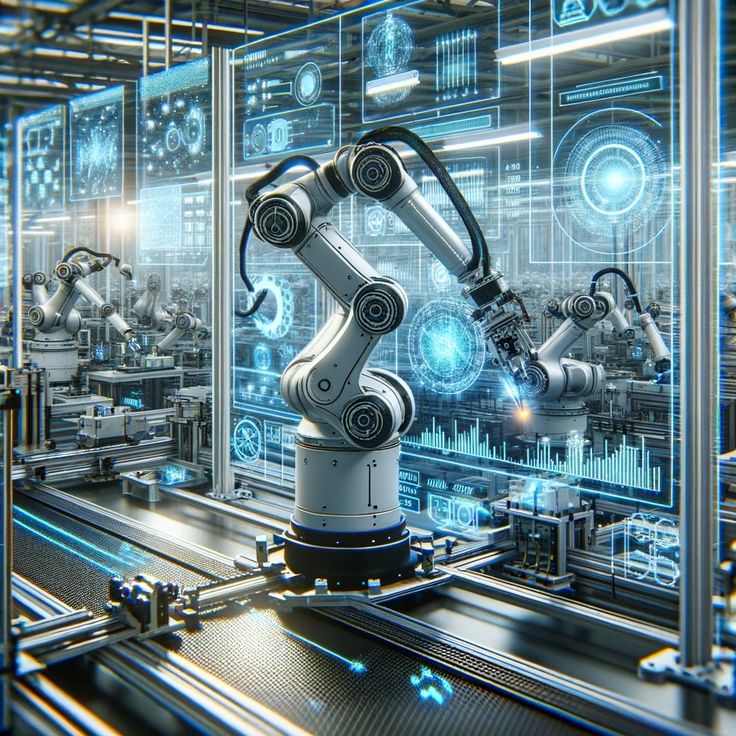

How Robot Engineering Is Transforming Modern Industries

Robot engineering has become one of the most influential technological forces of the 21st century. What was once a futuristic idea is now a reality as robots work alongside humans, manage complex tasks, and bring automation to industries that rely on precision, speed, and consistency. From assembly lines and warehouses to hospitals and farmlands, robot engineering is pushing boundaries and unlocking new possibilities.

This blog explores how robot engineering is transforming modern industries and shaping the future of work and innovation.


1. Manufacturing: Speed, Precision & Zero Downtime

Manufacturing is the backbone of robotics innovation. Robots are widely used for tasks such as welding, assembling, painting, and packaging.

How Robots Are Enhancing Manufacturing

  • Faster production cycles
  • Reduced human error
  • 24/7 productivity
  • Enhanced quality control

Collaborative robots (cobots) work safely alongside human workers, boosting efficiency without replacing human creativity and decision-making.


2. Healthcare: Intelligent Assistants for a Healthier Tomorrow

Robot engineering has revolutionized healthcare systems with machines that assist in surgeries, patient care, diagnostics, and therapy.

Key Applications

  • Surgical robots performing minimally invasive procedures
  • Rehabilitation robots aiding patient recovery
  • Robotic nurses helping with lifting, medication, and monitoring
  • Automated disinfection robots ensuring hospital hygiene

These innovations increase accuracy, reduce human fatigue, and improve patient outcomes.


3. Agriculture: Smarter Farming Through Automation

Modern agriculture is embracing robotics to meet growing global food demands.

Agricultural Robots Can:

  • Harvest crops with precision
  • Monitor soil and plant health
  • Spray pesticides efficiently
  • Plant seeds autonomously

Robotic farming not only increases yield but also cuts labor costs and reduces environmental impact.


4. Logistics & Warehousing: The Era of Smart Movement

Logistics companies rely heavily on robot engineering to streamline operations.

Robots in Logistics Help With:

  • Sorting and packaging
  • Inventory management
  • Autonomous delivery
  • Warehouse navigation

Automated Guided Vehicles (AGVs) and drones are transforming supply chain efficiency, reducing delays, and improving order accuracy.


5. Retail: Enhancing Customer Experience

Retailers use robots to create interactive shopping experiences and manage backend operations.

Examples

  • Shelf-scanning robots for inventory checks
  • Customer-assisting robots in stores
  • Automated checkout systems
  • Smart warehousing for online orders

Robotics ensures smoother operations and a seamless customer journey.


6. Construction: Building the Future with Robots

Construction robots handle dangerous, repetitive, or precision-heavy tasks.

Robotic Innovations in Construction

  • Bricklaying robots
  • 3D printing machines for building walls
  • Demolition robots
  • Surveying and site-mapping drones

These systems improve safety, speed, and structural accuracy.


7. Defense & Security: Intelligent Protection Systems

Robotics plays a critical role in defense and security with technologies like:

  • Surveillance robots
  • Bomb disposal robots
  • Autonomous vehicles
  • Border-patrol drones

These machines reduce human risk and strengthen national security systems.


Final Thoughts

Robot engineering is not just shaping industries—it’s reshaping the world. As automation and AI continue to advance, robots will become even more intelligent, adaptable, and capable. Businesses that embrace robotics today are setting the foundation for a more efficient, innovative, and safe future.

From Design to Flight: Understanding Drone Engineering

Drone engineering has rapidly evolved from a niche technology to a mainstream innovation powering industries like agriculture, filmmaking, logistics, defense, and environmental monitoring. Drones are no longer just hobbyist gadgets; they are complex machines designed with precision engineering, smart electronics, and advanced flight algorithms.

In this blog, we’ll take you through the journey of a drone—from its initial design to its first successful flight.


1. The Backbone of Every Drone: Core Design Principles

At the heart of drone engineering is a blend of aerodynamics, robotics, electronics, and software. Before any drone takes off, its design must balance:

  • Weight and payload capacity
  • Battery life and power consumption
  • Flight stability and speed
  • Purpose-specific features (camera, sensors, delivery systems)

Engineers carefully calculate these factors to ensure the drone can lift off, stay stable in the air, and complete its mission efficiently.


2. Key Components of a Modern Drone

• Frame

The structure that holds all components together. Typically made of lightweight materials like carbon fiber or aluminum to reduce weight and increase durability.

• Motors & Propellers

These generate lift. Most drones use brushless DC motors for efficient, smooth operation.

• Electronic Speed Controllers (ESCs)

ESCs manage how fast each motor spins, helping the drone maintain balance and change direction.

• Flight Controller

The “brain” of the drone. It processes sensor data and tells the motors how to react to maintain stable flight.

• Battery

LiPo (Lithium Polymer) batteries are common due to their high energy density and efficiency.

• Sensors

Such as accelerometers, gyroscopes, GPS modules, obstacle sensors, and altitude sensors—crucial for autonomous movement.

• Camera (optional)

Used for photography, videography, mapping, surveillance, or real-time monitoring.


3. Understanding Drone Aerodynamics

Drones rely on precise control of airflow and lift. Quadcopters, the most common drone type, balance themselves using:

  • Counter-rotating propellers
  • Real-time sensor feedback
  • Automated stabilization algorithms

Good aerodynamics ensures smooth maneuvering, minimal drag, and maximum battery efficiency.


4. The Software Behind Flight

Beyond hardware, drone performance depends heavily on software:

  • Flight algorithms to manage stability
  • GPS navigation systems for route planning
  • AI-powered obstacle detection
  • Autonomous flight modes like follow-me, waypoint navigation, and return-to-home

Modern drones combine embedded software and mobile apps to offer real-time control and telemetry.


5. From Prototyping to Production

The engineering process typically includes:

• Concept and Design

Determining the drone’s purpose and sketching structural designs.

• Testing Components

Motors, propellers, battery systems, and sensors are individually tested.

• Building the Prototype

Engineers assemble the drone and integrate hardware with software.

• Flight Testing

Initial flights help refine stability, power output, and navigation performance.

• Final Production

Once optimized, the drone is manufactured for commercial or industrial use.


6. Real-World Applications of Drone Engineering

Drone engineering has unlocked new possibilities across industries:

  • Agriculture: Crop health monitoring, spraying, soil analysis
  • Healthcare: Delivering medicines and emergency supplies
  • Construction: Mapping, surveying, and site inspections
  • Filmmaking: Capturing cinematic aerial shots
  • Search & Rescue: Identifying victims in remote areas
  • Logistics: Last-mile drone deliveries

The more advanced drone engineering becomes, the more diverse its applications grow.


Conclusion

Drone engineering represents the perfect marriage of creativity, science, and innovation. From designing aerodynamic frames to integrating advanced AI-based navigation, drone development is a fascinating journey that continues to reshape industries worldwide. As technology advances, drones will only become smarter, safer, and more powerful—opening the sky to endless new possibilities.

From Gaming to Healthcare: Incredible Uses of AR and VR

Augmented Reality (AR) and Virtual Reality (VR) have moved far beyond gaming and entertainment. Once considered futuristic, these technologies are now powering innovations in healthcare, education, retail, manufacturing, and many more sectors. What makes AR and VR truly remarkable is their ability to blend the digital and physical worlds—changing how we learn, work, shop, heal, and experience life.

Let’s explore how AR and VR are creating incredible impact across industries.


1. Gaming: The Origin of Immersive Tech

Gaming was the first industry to fully embrace AR and VR. With VR headsets and AR-powered mobile games, players can step into digital worlds, interact with their surroundings, and experience games in ways traditional screens could never offer.

Key Benefits

  • Fully immersive gameplay
  • Enhanced user engagement
  • Realistic 3D interaction
  • New storytelling possibilities

Gaming also paved the way for widespread adoption, lowering hardware costs and increasing development.


2. Healthcare: Training, Treatment, and Beyond

Healthcare is one of the biggest beneficiaries of AR and VR advancements.

How AR and VR Are Used in Healthcare

• Surgical Training and Simulation

VR allows medical students to practice surgeries in a zero-risk environment. They can repeat complex procedures until they master them—without the need for a physical body.

• AR-Guided Surgeries

Surgeons use AR overlays to view 3D anatomical structures during real surgeries, improving precision and reducing risks.

• Pain Management and Therapy

VR environments distract patients during painful procedures, helping reduce anxiety and discomfort.

• Mental Health Treatment

VR therapy is used for treating PTSD, phobias, and anxiety disorders through controlled simulations.

Impact: Enhanced accuracy, improved patient outcomes, and revolutionized medical training.


3. Education: Learning in 3D

AR and VR are making learning more interactive and engaging. Students can explore the oceans, walk with dinosaurs, or travel through the human bloodstream.

Benefits of Immersive Learning

  • Boosts memory retention
  • Helps students visualize complex concepts
  • Increases curiosity and motivation
  • Makes remote learning more interactive

These technologies personalize education and make it accessible from anywhere.


4. Retail: Try Before You Buy

Retailers now use AR to allow customers to “try” products virtually.

Examples

  • Trying clothes, makeup, or glasses without physically wearing them
  • Previewing how furniture looks in your home
  • Using AR maps for in-store navigation

AR shopping bridges the gap between online and offline experiences, increasing customer satisfaction and reducing product returns.


5. Real Estate: Virtual Property Tours

VR allows potential buyers to take virtual property tours from anywhere in the world. This is especially helpful for:

  • Overseas buyers
  • Investors
  • Remote clients
  • Under-construction properties

It saves time, reduces costs, and helps buyers make faster decisions.


6. Manufacturing & Engineering: Precision and Safety

AR and VR are transforming production floors through:

• VR Training

Workers can learn to operate heavy machinery in a safe VR environment.

• AR Maintenance Assistance

Technicians use AR glasses that display step-by-step repair instructions, reducing errors.

• Product Design and Prototyping

VR allows designers to visualize 3D models before creating physical prototypes—saving time and money.


7. Tourism: Travel Without Traveling

VR experiences allow users to explore famous destinations, museums, and landmarks without leaving home. AR enhances real-world tours by overlaying historical facts, directions, or interactive objects.

Result: A richer, more informative travel experience.


Conclusion

From entertainment to essential services, AR and VR are reshaping how we interact with the world. Their expansion into healthcare, education, and business proves that immersive technology isn’t just futuristic—it’s practical, powerful, and already part of our everyday lives.

Essential Tools and Software Every Fashion Designer Should Know

Fashion designing has evolved far beyond paper sketches and fabric swatches. Today, technology plays a major role in bringing creative ideas to life. Whether you’re a beginner or a professional, having the right tools and software will help you design faster, work smarter, and stay competitive in the industry.

Here’s a complete guide to the most essential tools and software every fashion designer should know.


1. Adobe Illustrator

One of the most widely used tools in the fashion industry, Adobe Illustrator helps designers create clean, scalable sketches known as flat sketches or technical drawings.

Why it’s essential:

  • Perfect for creating digital sketches
  • Ideal for pattern-making and garment detailing
  • Provides precision and professional output

2. Adobe Photoshop

Photoshop is a versatile software used for editing textile prints, retouching photos, and creating digital artwork.

Why it’s essential:

  • Helpful for designing fabric prints
  • Great for fashion mood boards
  • Enhances product visualization

3. CLO 3D

CLO 3D is a revolutionary software that lets designers create 3D garments and drape them on virtual models.

Why it’s essential:

  • Allows real-time garment simulation
  • Saves time on physical sampling
  • Accurate draping and fitting previews

4. CorelDRAW

A graphic design tool commonly used by fashion designers for vector illustrations, pattern layouts, and print design.

Why it’s essential:

  • Simple interface for beginners
  • Excellent for drawing motifs and prints
  • Ideal for textile and surface design

5. TUKAcad

A professional pattern-making software used widely in the apparel industry.

Why it’s essential:

  • Powerful digital pattern drafting
  • Easy grading and marker-making
  • Improves accuracy and production efficiency

6. Gerber AccuMark

One of the top software options for digital pattern design and apparel production planning.

Why it’s essential:

  • Industry-level pattern-making tools
  • Automated grading and marking
  • Essential for large-scale manufacturing

7. Procreate (for iPad)

A favorite among designers who love digital sketching on the go.

Why it’s essential:

  • Great for hand-drawn fashion illustrations
  • Smooth drawing experience
  • Portable and intuitive

8. Pantone Color System

Pantone is the global standard for color accuracy in fashion and textiles.

Why it’s essential:

  • Provides exact color references
  • Ensures color consistency in production
  • Helps communicate precise color choices to manufacturers

9. Sewing Tools & Machines

While digital tools are powerful, physical tools remain equally important.

Must-haves:

  • Sewing machine
  • Measuring tape
  • Tailor’s scissors
  • Dress forms
  • Fabric markers and rulers

These tools help designers bring digital ideas into physical form.


10. Tech Packs Software (e.g., Techpacker)

Tech packs are essential documents used to communicate garment specifications with manufacturers.

Why it’s essential:

  • Organizes garment details
  • Includes measurements, materials, stitching, and fit
  • Ensures accuracy during production

Final Thoughts

Fashion designing is a mix of creativity, craftsmanship, and technology. By mastering these essential tools and software, designers can:

Common Graphic Design Mistakes Beginners Should Avoid

Graphic design is a powerful form of visual communication—but beginners often focus too much on creativity and overlook essential design principles. This leads to cluttered layouts, inconsistent branding, and confusing visuals. Whether you’re just starting out or polishing your skills, avoiding these common mistakes can significantly improve your work.

Here are the most frequent graphic design mistakes beginners should avoid and how to fix them.


1. Using Too Many Fonts

Beginners often experiment with multiple fonts, which can make the design look messy and unprofessional.

Avoid it by:

  • Sticking to 2–3 fonts max
  • Using a consistent heading, subheading, and body font
  • Choosing fonts that complement each other

2. Poor Color Choices

Using too many colors or choosing colors that clash can ruin the visual appeal.

Avoid it by:

  • Limiting your palette to 3–5 colors
  • Using color harmony (analogous, complementary, triadic)
  • Ensuring readable contrast between text and background

3. Lack of White Space

Many beginners try to fill every corner of a canvas. This causes visual clutter.

Avoid it by:

  • Embracing white space to guide the viewer’s eyes
  • Allowing breathing room between sections
  • Keeping layouts clean and minimal

4. Inconsistent Alignment

Misaligned elements make the design look unstructured and unprofessional.

Avoid it by:

  • Using grids and guides
  • Keeping consistent margins and spacing
  • Aligning text and images logically

5. Using Low-Quality Images

Pixelated or stretched images instantly reduce design quality.

Avoid it by:

  • Using high-resolution photos
  • Maintaining original aspect ratios
  • Compressing images correctly for web use

6. Overusing Effects

Drop shadows, gradients, glows, and filters can easily be overdone.

Avoid it by:

  • Applying effects sparingly
  • Using subtle enhancements that support the design
  • Prioritizing clarity over visual gimmicks

7. Ignoring Hierarchy

Without clear visual hierarchy, users won’t know where to look first.

Avoid it by:

  • Highlighting key elements using size, color, or weight
  • Making headings larger than body text
  • Positioning important information strategically

8. Poor Typography Choices

Bad spacing, line height, or unreadable fonts weaken your message.

Avoid it by:

  • Ensuring proper line spacing (1.2–1.5 for readability)
  • Using readable fonts for body text
  • Avoiding all caps for long paragraphs

9. Not Understanding the Client or Audience

Designing without direction leads to ineffective results.

Avoid it by:

  • Asking for a brief
  • Understanding the brand’s tone and audience
  • Creating mood boards before starting

10. Skipping the Revision Process

Beginners often finalize their first version without refining it.

Avoid it by:

  • Reviewing your design after a break
  • Asking for feedback
  • Checking for typos, alignment, and color consistency

Final Thoughts

Graphic design is a blend of creativity and strategy. Avoiding these common mistakes will help you create cleaner, more powerful designs that leave a lasting impact. With practice, patience, and attention to detail, you’ll see your work improve dramatically.

10 UI/UX Design Mistakes Beginners Should Avoid

Designing a great user interface and crafting a smooth user experience is not as easy as it looks. Beginners often focus too much on visuals and overlook usability—and this leads to frustrated users and underperforming products. To help you improve faster, here are the 10 most common UI/UX design mistakes beginners should avoid, along with simple tips to fix them.


1. Designing Without Understanding the User

Many beginners jump straight into designing screens without knowing who they’re designing for. This leads to a beautiful interface that solves the wrong problem.

Avoid it by:

  • Conducting user research
  • Creating personas
  • Understanding user goals and pain points

2. Ignoring Mobile Responsiveness

A design that works on a desktop may completely fail on mobile. Beginners often forget to test across screen sizes.

Avoid it by:

  • Using responsive frameworks
  • Testing on multiple devices
  • Prioritizing mobile-first design

3. Overcomplicating the Interface

Too many icons, buttons, colors, and animations confuse users. Simplicity is key.

Avoid it by:

  • Using whitespace strategically
  • Following a clear hierarchy
  • Removing unnecessary elements

4. Inconsistent Design Elements

Inconsistent fonts, colors, button styles, and spacing make the product feel unprofessional.

Avoid it by:

  • Following a design system
  • Creating reusable components
  • Maintaining consistent spacing and typography

5. Poor Navigation Structure

If users cannot find what they’re looking for, they will leave—no matter how good your UI looks.

Avoid it by:

  • Keeping navigation simple
  • Highlighting the most important paths
  • Using familiar patterns (hamburger menu, bottom navigation, tabs)

6. Ignoring Accessibility

Accessibility ensures that everyone—including users with disabilities—can use your product. Beginners often skip this step.

Avoid it by:

  • Using readable font sizes
  • Ensuring proper contrast
  • Adding alt text to images
  • Designing for keyboard navigation

7. Using Too Many Fonts and Colors

A busy visual design makes your interface look unprofessional and confusing.

Avoid it by:

  • Sticking to 2–3 fonts
  • Using a simple color palette
  • Making sure colors support functionality (error → red, success → green)

8. Poor Feedback and Error Handling

Users need feedback—whether they’ve clicked a button or made a mistake. Beginners often forget to design these states.

Avoid it by:

  • Adding loading indicators
  • Designing error messages
  • Showing success confirmations

9. Not Testing Designs With Real Users

Designers sometimes assume their design is perfect without validating it. This leads to unseen problems surfacing after launch.

Avoid it by:

  • Conducting usability tests
  • Gathering feedback early
  • Iterating based on actual user behavior

10. Designing for Aesthetics Instead of Usability

A design may look beautiful but fail to work well. Good UI must be functional first, beautiful second.

Avoid it by:

  • Prioritizing easy interactions
  • Ensuring clarity of text and icons
  • Testing functionality before styling

Final Thoughts

Avoiding these common UI/UX design mistakes will help you create cleaner, more user-friendly designs—no matter what digital product you’re working on. The more you test, iterate, and understand users, the more your skills will grow.

Behind the Scenes of Healthcare: What Medical Coders Really Do

When we think of healthcare, we often imagine doctors, nurses, and patient care. But behind every diagnosis, treatment, and hospital visit, there is an essential process that keeps the healthcare system functioning smoothly—medical coding. Medical coders may not wear scrubs or work directly with patients, but their role is vital for accurate billing, insurance claims, data tracking, and overall hospital operations.

Let’s explore what medical coders really do and why their work is so important.


1. Translating Medical Information into Standardized Codes

The core responsibility of a medical coder is to convert complex medical information into universal codes, using systems such as:

  • ICD (International Classification of Diseases) – Codes for diagnoses
  • CPT (Current Procedural Terminology) – Codes for medical procedures
  • HCPCS (Healthcare Common Procedure Coding System) – Codes for supplies, equipment, and services

This coding ensures healthcare documentation is standardized, organized, and easy to process across hospitals, insurance companies, and government systems.


2. Ensuring Accurate Billing and Claims Processing

Medical coders play a critical role in healthcare revenue. Once a patient receives care, coders review the documentation and assign the correct codes so that hospitals and clinics can:

  • Submit accurate insurance claims
  • Receive timely reimbursement
  • Avoid claim denials and delays
  • Maintain financial stability

Without precise coding, healthcare facilities could face billing errors, claim rejections, or financial losses.


3. Working Closely with Physicians and Medical Staff

Although coders typically work behind the scenes, communication with doctors and nurses is a big part of the job. They often need to:

  • Clarify unclear or incomplete documentation
  • Verify diagnoses or procedures
  • Request additional notes for accuracy
  • Ensure compliance with industry standards

Good collaboration ensures the medical record truly reflects the care a patient received.


4. Maintaining Patient Records and Data Integrity

Medical coders ensure that the patient’s health information is recorded accurately. This benefits healthcare in several ways:

  • Improved patient care: Doctors can easily review past treatments
  • Public health research: Accurate data supports healthcare studies
  • Hospital management: Helps in tracking trends and evaluating performance
  • Legal protection: Ensures proper documentation for audits

High-quality coding is essential for trustworthy medical records.


5. Staying Updated with Constantly Changing Regulations

Healthcare laws, coding standards, and insurance policies evolve frequently. Medical coders must keep up with:

  • Annual updates to ICD and CPT codes
  • Insurance compliance rules
  • HIPAA regulations
  • Industry best practices

This ongoing learning makes medical coding a dynamic and challenging profession.


6. The Hidden Impact of Medical Coders on Healthcare

Even though patients rarely meet them, medical coders have a powerful impact on the entire healthcare system:

  • They help ensure hospitals get paid correctly
  • They contribute to accurate health statistics
  • They support better patient outcomes through cleaner records
  • They reduce medical errors by ensuring proper documentation

In many ways, coders are the organizational backbone of healthcare.


Conclusion

Medical coders may work behind closed doors, but their contributions are central to the success of every healthcare facility. They translate medical language into structured data, ensure accurate billing, maintain essential patient records, and keep healthcare operations running efficiently. Their expertise supports not just hospitals and doctors—but every patient who depends on reliable, organized care.

Cognitive Psychology: How the Brain Learns, Remembers, and Thinks

Cognitive psychology is the scientific study of how the mind works—how we learn, remember, think, solve problems, and make decisions. Unlike traditional psychology that focused mainly on behavior, cognitive psychology looks inside the mind, uncovering the mental processes that guide every action you take.

Understanding these processes helps explain why we remember some things and forget others, how we solve problems creatively, and what influences our daily thoughts.


1. How the Brain Learns

Learning isn’t just gaining information—it’s the brain physically changing. When you learn something new, your neurons form new connections (synapses) or strengthen existing ones.

Key Learning Processes

  • Encoding: Taking in information from your environment
  • Storage: Keeping the information in the brain
  • Retrieval: Accessing the information when needed

How We Learn Best

  • Repetition strengthens neural pathways
  • Visual and auditory cues improve retention
  • Learning in different contexts boosts understanding
  • Active recall and spaced repetition solidify knowledge

These principles explain why some study techniques work better than others.


2. How the Brain Forms and Stores Memories

Memory is one of the most fascinating areas of cognitive psychology. It’s not a single process but a system made up of different stages.

Types of Memory

  • Sensory Memory: Lasts a few seconds; captures surroundings
  • Short-Term (Working) Memory: Holds small amounts of information temporarily
  • Long-Term Memory: Stores knowledge for days, years, or life

How Memories Are Formed

  1. Information enters sensory memory
  2. Attention moves it into short-term memory
  3. Repetition and meaning transfer it into long-term memory

Why We Forget

  • Lack of attention
  • Weak encoding
  • Interference from similar memories
  • Brain overload

Forgetting is normal—it helps the brain prioritize important information.


3. How the Brain Thinks and Solves Problems

Thinking is the combination of reasoning, decision-making, problem-solving, and creativity. Cognitive psychology reveals that our brains use both automatic and controlled processes.

Automatic Thinking

  • Fast, instinctive
  • Requires little effort
  • Example: Recognizing a familiar face

Controlled Thinking

  • Slow and deliberate
  • Used for complex decisions
  • Example: Planning a project or solving math problems

Common Thinking Patterns

  • Heuristics: Mental shortcuts that speed up decision-making
  • Biases: Systematic errors in thinking
  • Creative Processes: Combining ideas in new and useful ways

These insights explain why we sometimes make irrational choices or find sudden inspiration.


4. The Role of Attention in Cognitive Processing

Attention acts as a filter that determines what enters our conscious mind. Without attention, learning and memory become nearly impossible.

Types of Attention

  • Selective attention: Focusing on one thing despite distractions
  • Sustained attention: Concentrating for long periods
  • Divided attention: Handling multiple tasks

In a world full of digital distractions, understanding attention is more important than ever.


5. Why Cognitive Psychology Matters

Cognitive psychology isn’t just academic—it affects daily life. It helps us:

  • Improve learning habits
  • Strengthen memory
  • Make better decisions
  • Boost concentration
  • Understand human behavior
  • Enhance emotional well-being

Whether you’re a student, professional, or simply curious about the mind, understanding how your brain works empowers you to think smarter and live better.


Conclusion

Cognitive psychology gives us a window into the invisible workings of the mind—how we learn, remember, and think. With this knowledge, we can train our brains, understand ourselves more deeply, and improve the way we approach challenges in life.

How Nanotech Is Powering the Next Wave of Genetic Breakthroughs

The fields of genetic engineering and nanotechnology are converging to create some of the most groundbreaking innovations in modern science. While genetic engineering allows us to rewrite the biological code of life, nanotechnology equips scientists with ultra-precise tools to manipulate materials at the molecular and atomic scale. Together, they are unlocking new possibilities—from curing genetic diseases to designing smarter drug delivery systems.

This synergy is giving rise to the next wave of genetic breakthroughs, transforming healthcare, agriculture, biotechnology, and more.


1. Nanotechnology Enables Ultra-Precise Gene Editing

Gene-editing technologies like CRISPR have already reshaped biology, but nanotechnology is improving them further by making gene delivery safer and more efficient.

How Nanotech Enhances Gene Editing

  • Nanocarriers (like lipid nanoparticles) transport CRISPR components into cells without damaging them.
  • Nanoparticles protect gene-editing tools from degradation inside the body.
  • They target specific tissues, increasing precision and reducing side effects.

This combination makes genetic treatments more practical and scalable for real-world medical applications.


2. Nanobots Are Revolutionizing Drug and Gene Delivery

Imagine microscopic robots capable of finding diseased cells, delivering medicine, or repairing DNA. This is no longer science fiction—nanobots are already being tested in clinical and laboratory settings.

Key Innovations

  • DNA Origami Nanobots: Folded DNA structures programmed to open and release drugs when they sense specific molecules.
  • Magnetic and Chemical Nanobots: Guided through the body to treat tumors or deliver genetic material.
  • Smart Nanocarriers: Respond to temperature, pH, or biological signals for controlled gene delivery.

These technologies dramatically increase the success rate of genetic therapies.


3. Nanotechnology Improves Precision Medicine

One of the most exciting benefits of nanotech-driven genetic engineering is the rise of precision medicine—treatments tailored to an individual’s genetic makeup.

Applications

  • Personalized nanomedicine that matches a patient’s DNA profile
  • Nanotech-assisted diagnostics that detect diseases earlier than ever
  • Gene therapies designed for rare genetic disorders

With nanoscale tools, genetic information can be read, analyzed, and acted upon with unprecedented accuracy.


4. Nanotech Boosts Agricultural Genetic Engineering

The fusion of nanotechnology and genetic engineering isn’t limited to human health—it’s transforming global agriculture.

Benefits

  • Nanoparticles deliver DNA and RNA into plant cells without expensive equipment
  • Increased crop resilience to drought, pests, and diseases
  • Faster creation of genetically enhanced crops
  • Reduced reliance on harmful chemicals

These advancements could help address global food security challenges.


5. Future Possibilities: What’s Next?

As research accelerates, nanotechnology may soon make it possible to:

  • Repair genetic mutations in real time
  • Create targeted cancer therapies with near-zero side effects
  • Build synthetic cells programmed with nanoscale components
  • Detect genetic diseases before symptoms appear

The future of biotechnology is undeniably nano-powered.


Conclusion

Nanotechnology is not just complementing genetic engineering—it is transforming it. By providing unparalleled precision, efficiency, and control, nanotech is enabling breakthroughs once thought impossible. From curing genetic diseases to creating resilient crops, the union of these two cutting-edge fields is shaping a healthier, smarter, and more sustainable future.

✔
Form submitted! Our team will reach out to you soon.
✔
Form submitted! Our team will reach out to you soon.
0
0
Your Cart
Your cart is emptyReturn to Course